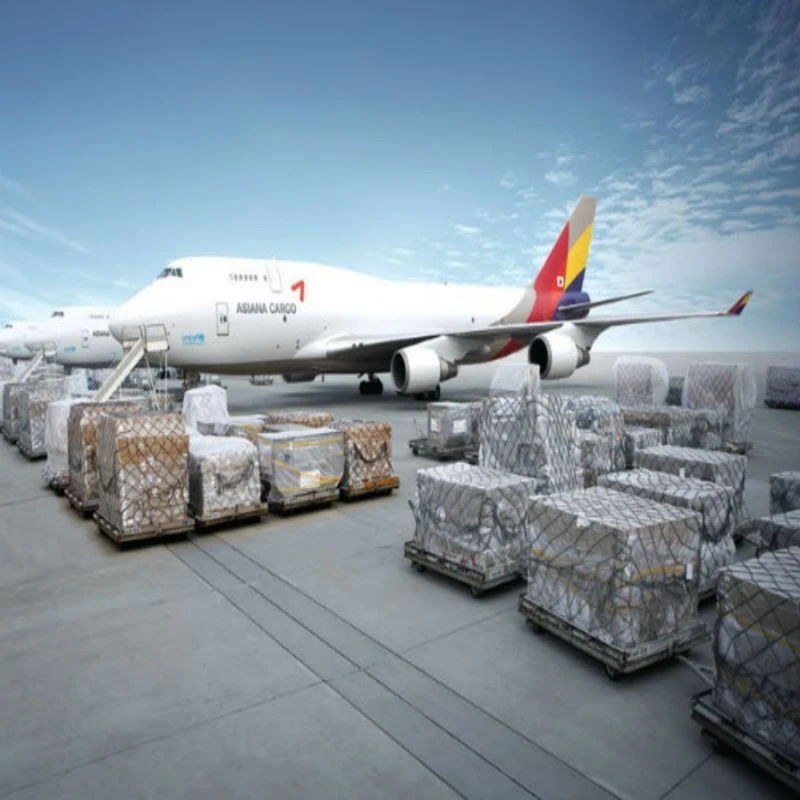
If you've ever shipped cargo by air and received a bill that made you do a double-take, chances are you've encountered the mysterious world of surcharges. Among all the add-ons that can inflate your freight costs, the overweight surcharge is one of the most common-and most misunderstood.
So what exactly is it? Simply put, an overweight surcharge is an additional fee that carriers apply when your shipment exceeds certain weight thresholds. Airlines and freight carriers set standard weight limits for individual pieces or packages, and when your cargo crosses those lines, you pay extra. This isn't just about them being picky-it's about safety, equipment constraints, and the real operational challenges that come with moving heavy loads through the air.
The Trigger Points: When Does Overweight Air Freight Kick In?
Here's where it gets tricky: there's no single global standard. Different airlines, different routes, and even different aircraft types come with their own weight limits. In air cargo, overweight surcharges typically get triggered when a single piece exceeds somewhere between 150 to 250 kilograms, though the exact number varies wildly depending on the carrier and the specific flight. Some express carriers start charging extra when a package hits 68 kilograms. Others have thresholds as low as 25 kilograms for certain services.
But weight isn't the whole story. Air freight pricing also factors in something called chargeable weight-the greater of your shipment's actual weight or its volumetric (dimensional) weight. The formula is straightforward: (Length × Width × Height in centimeters) ÷ 6000. If your cargo is bulky but light, you might get charged based on how much space it takes up rather than how much it weighs. If it's dense and heavy, the actual weight wins. And if it's both heavy and bulky? That's when those surcharges really start adding up.
Why Carriers Charge Extra for Heavy Cargo
It's easy to assume carriers are just looking for another way to pad their profits. But the reality is more practical. Heavy cargo requires special loading equipment-think cranes, heavy-duty forklifts, and reinforced pallets. It takes more time and skilled labor to handle. It puts additional strain on aircraft floors and loading systems. And it often requires custom engineering solutions to ensure the weight is properly distributed for safe飞行. All of that costs money, and carriers pass those costs along through surcharges.
How to Keep Overweight Air Freight Costs Under Control
So what can you do? First, accurate information is everything. Know your cargo's exact weight and dimensions before you book. Understand the carrier's specific weight limits and surcharge policies for your route. And if you're shipping something that's pushing the limits, work with a freight forwarder who actually knows how to handle heavy cargo-not someone who just fills out paperwork.
This is where experience makes all the difference. A forwarder who specializes in overweight air freight doesn't just book space and hope for the best. They plan ahead, scout routes, match your cargo to the right aircraft, and arrange the specialized equipment needed at both origin and destination. They know which airports have the infrastructure to handle heavy lifts and which ones don't. They navigate the regulatory maze so you don't have to.
At Xiamen AE Global SCM, we've been moving heavy cargo since 2018. We're not just licensed by the usual authorities-we hold IATA, FIATA, FMC, and NVOCC approvals. That means we play by the rules and know the ins and outs of international shipping regulations. With a network of over 100 overseas agents, we can coordinate complex shipments across the globe. And when it comes to overweight air freight, we don't just move your cargo-we engineer solutions. From custom crating and weight distribution planning to securing the right aircraft and arranging heavy-lift equipment at both ends, we handle the heavy lifting so you don't have to.
The Bottom Line
Overweight surcharges aren't going away. But they don't have to be a nasty surprise, either. The key is understanding how they work, planning ahead, and partnering with a logistics team that knows how to navigate the complexities of overweight air freight. Get the right support, and what seems like a headache becomes just another shipment-delivered on time, on budget, and without the stress.
If you're shipping heavy cargo and want to avoid unexpected costs, reach out to XMAE Logistics. We speak overweight air freight fluently-and we're here to make your shipment as smooth as possible.