


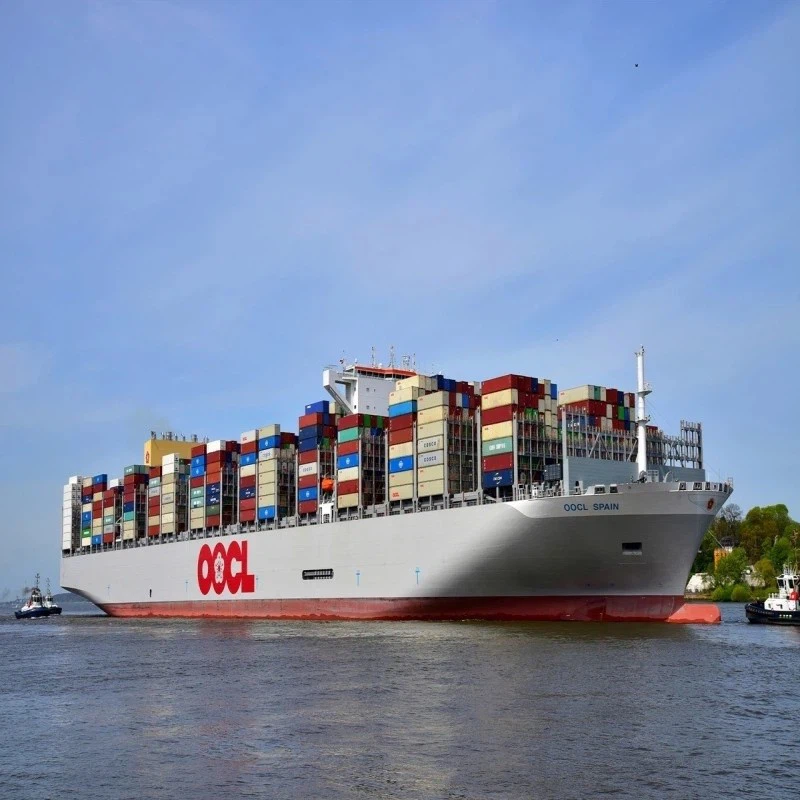
International ocean freight forwarding for IMO Class 2 through Class 9 hazardous materials, operating strictly under the IMDG Code, 49 CFR, and terminal-specific local regulations. Operations are managed by in-house certified Dangerous Goods Safety Advisors (DGSAs) and licensed declaration specialists, covering containerized dangerous goods (Dry Van, Reefer) and ISO Tank transport across primary chemical trade lanes linking Asia, Europe, and North America.
Key Service Features
Carrier Allocations: Maintained service contracts with major container lines (e.g., MSC, Maersk, CMA CGM) on high-risk DG routes to minimize rolling rates.
In-House DGSA Audits: Pre-shipment verification of MSDS/SDS, UN classification, Proper Shipping Names, and Multi-modal Dangerous Goods Forms executed internally prior to carrier submission.
Dedicated Yard Partnerships: Strategic partnerships with hazardous container yards (CY) in major load ports (e.g., Shanghai, Ningbo, Rotterdam) ensuring compliant staging and physical inspection.
Specialized Equipment: Deployment of 316L stainless steel ISO Tanks (T11 to T75) and ventilated dry boxes equipped with certified lashing and blocking systems.
Product-Specific Specifications
|
Technical Specification |
Standard Options / Parameters |
Compliance & Standards |
|
IMO Classes Handled |
Class 2 (Gases), Class 3 (Flammable Liquids), Class 4, Class 5, Class 6 (Toxic), Class 8 (Corrosive), Class 9 (Lithium Batteries, Environmentally Hazardous) |
IMDG Code (Current Amendment), SOLAS Chapter VII |
|
Equipment Types |
20'GP / 40'HC DG Dry Van, ISO Tank (20ft, 21kL-26kL), Reefer DG Container |
CSC, ISO 1496, ADR/RID compatible |
|
Tank Specifications |
Material: 316L Stainless Steel; Design Pressure: 4 bar - 10 bar; Working Temperature Range: -20°C to +30°C |
ASME, Lloyd's Register, periodic pressure testing certified |
|
Packaging Compliance |
UN-certified steel/plastic drums, composite packs, IBCs, and specialized battery crates |
UN Performance Standard (Chapter 6.1 / 6.5) |
Shipping Process
Technical Audit: Submission of current SDS (not older than 3 years) for DGSAs to verify UN number, Packing Group, and flash point.
Carrier Booking: Electronic submission of the Dangerous Goods Declaration (DGD) and booking request for vessel and port safety approval.
Stuffing & Securing: Stuffing performed under supervision following CTU Code guidelines; ISO Tanks undergo valve and pressure gauge pre-trip inspection.
Port Gate-in: Hazardous container entry into designated port CY, followed by customs export declaration and terminal manifest filing.
Ocean Transit: End-to-end milestone visibility through vessel discharge at destination ports.
Cargo Requirements & Preparation
SDS Compliance
Section 14 transport information must explicitly state the correct UN number, Proper Shipping Name, Class, and subsidiary risks.
UN-Specification Packaging
Outer packagings must display valid UN marks, exact orientation arrows, and primary/subsidiary hazard labels.
Container Placarding
Affixing durable hazard placards and UN number plates on all four exterior sides of the container unit as required by IMDG Chapter 5.3.
Packing Certificate
Issuance and physical signing of the Container/Vehicle Packing Certificate (CPD) by certified inspectors prior to terminal gate-in.
Shipping Routes & Transit Time
Trans-Pacific (Asia to US): Direct loops from Shanghai, Ningbo, Shenzhen to Los Angeles, Long Beach, Houston, New York. Transit time: 14 to 28 port-to-port days.
Asia to Europe: Services connecting East China ports to Rotterdam, Antwerp, Hamburg. Transit time: 28 to 35 days.
Intra-Asia & Middle East: Regular feeders to Singapore, Port Klang, Jebel Ali. Transit time: 5 to 14 days.
Note: Timelines represent ocean transit only and exclude local terminal cut-off and DG approval lead times.
Shipping Costs & Required Information
To initiate a technical review and receive an accurate quotation within 4 business hours, please provide:
UN Number & Proper Shipping Name
UN Number & Proper Shipping Name
Total Gross Weight, Dimensions, and Package Count
Packaging Type (e.g., Steel Drums, ISO Tank, IBC, Reefer)
Origin (Factory Zip Code/City) and Destination Port
Special handling parameters (e.g., temperature control, stacking limits, State of Charge for batteries)
Frequently Asked Questions
Request a Quote
Submit your hazardous cargo specifications for a technical and commercial evaluation by our dangerous goods logistics team.
[Request a Hazardous Shipping Quote Now]
Hot Tags: dangerous goods ocean shipping, China dangerous goods ocean shipping company


