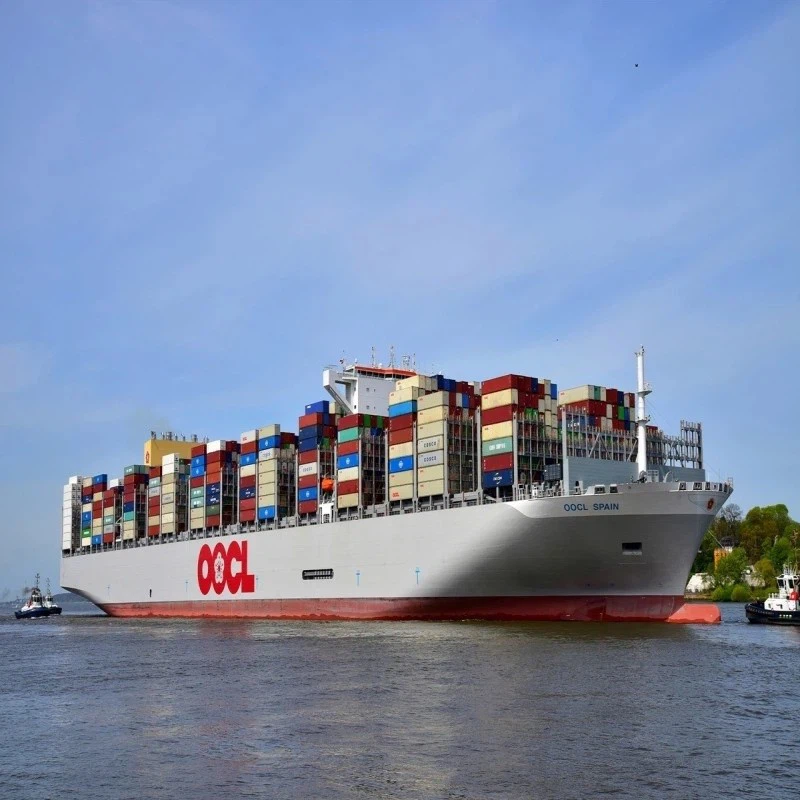
If you've been watching container shipping's fleet strategies lately, you've probably noticed a clear trend: the big carriers are buying their own ships.
Alphaliner's latest analysis lays it out plainly. A decade ago, the top 10 carriers' fleets were 40% to 70% chartered capacity. Today, that figure has dropped to just 18% to 50%. Among the top five, chartered tonnage now accounts for only 30% to 40% of deployed capacity.
HMM has made the biggest shift-from 56% chartered in 2016 to under 20% today. CMA CGM has gone from 67% to around 34%. MSC, once the charter market's biggest customer, has halved its charter exposure in five years.
But then there's Zim.
The Outlier
While everyone else is buying, Zim is still renting. Chartered vessels have represented between 85% and 98% of its deployed capacity over the past decade. Its 23-vessel orderbook? Entirely chartered tonnage.
That's not a rounding error. That's a fundamentally different business model-asset-light, charter-heavy, and built for flexibility.
And here's why that matters to you, even if you've never shipped a single container on a Zim vessel.
What This Means for Shippers
When carriers own their ships, they're committed. Those vessels are on the balance sheet, and they need to be deployed. That's good for stability, but it also means carriers have less room to pivot when demand shifts.
When carriers charter, they have options. They can return tonnage when leases expire. They can adjust capacity up or down as the market moves. Hapag-Lloyd CEO Rolf Habben Jansen actually framed Zim's charter-heavy model as an advantage-one that could increase flexibility if markets turn volatile in the coming years.
For shippers, the lesson is simple: the carriers that can adapt fastest are often the ones that keep your cargo moving when the market gets choppy.
Why This Is More Than a Fleet Strategy Story
Alphaliner also flagged something interesting: the line between "owned" and "chartered" is blurring. Long-term bareboat charters can include purchase options, meaning some vessels classified as chartered are effectively "delayed ownership".
In other words, the headline numbers don't tell the whole story. What matters is not who holds the title, but who controls the capacity-and how quickly they can deploy it where it's needed.
This Is Where the Right Partner Makes a Difference
At Xiamen AE Global, we've been navigating carrier fleet strategies since 2018. We're a government-licensed company with IATA, FIATA, FMC, and NVOCC credentials-which means when carriers shift their tonnage models, we understand what it means for your cargo.
We work with over 100 overseas agents worldwide. That network gives us real-time intelligence on which carriers are deploying which vessels on which routes-and how those decisions affect space availability and pricing.
- Real Relationships, Real Capacity
When HMM or CMA CGM redirects owned tonnage to a specific trade lane, or when Zim returns chartered vessels as leases expire, those shifts ripple through the market. Space gets tighter. Rates move. Schedules change.
We don't read about those shifts in a newsletter and scramble to react. We're already talking to our carrier partners and our agents on the ground, adjusting routing strategies for our clients before the impact hits their supply chain.
- Technology That Gives You Clarity
We've invested heavily in real-time visibility tools that give our clients actual transparency-not just a tracking number, but actionable insight into what's happening with their shipments. When a carrier's fleet strategy changes and capacity tightens on a lane, we alert you immediately and present options.
- Local Knowledge, Global Reach
Based in Xiamen-one of Asia's busiest port cities-we combine the global reach of an IATA and FIATA-approved forwarder with the kind of local knowledge that only comes from moving all kinds of goods for over a decade. We've moved over 12,000 TEUs in a single year with a 98.6% on-time delivery rate for our SME clients.
The Bottom Line
Zim is the outlier. While the industry's giants bulk up on owned tonnage, Zim is sticking with a model that prioritizes flexibility over ownership. Whether that's a smart bet or a risky one depends on what happens next.
But for shippers, the takeaway is this: carrier fleet strategies aren't just an industry news story. They shape the space you can book, the rates you pay, and the reliability you can expect.
At Xiamen AE Global, we don't just move boxes. We help our clients navigate the consequences of those strategies-whether that's finding capacity when owned tonnage gets locked into a specific service, securing space when charter tonnage returns to the market, or simply making sure your cargo gets where it needs to go, on time and on budget.
Because when the carriers are all making different bets, you don't need a spectator. You need a partner who understands the game.
Wondering how carrier fleet changes might affect your supply chain? Contact Xiamen AE Global today-and let's make sure your cargo keeps moving.