



Our Company
Welcome to XIAMEN AE GLOBAL, a government-licensed and IATA, FIATA, FMC, and NVOCC-approved company. Since our foundation in 2018, we have been a leading provider of transportation and logistics services in China. With a network of over 100 overseas agents, we handle a comprehensive range of services, including airfreight, ocean freight, courier, customs clearance, warehousing, and project & break bulk shipments.Backed by more than 10 years of experience in the freight forwarding and logistics industry, XIAMEN AE GLOBAL operates with a commitment to professionalism, honesty, and sincerity. We aim to be a reliable business partner, providing exceptional service to help your business thrive in today's competitive market.
Why Choose Us
Company Strength
With a network of over 100 overseas agents, we handle a comprehensive range of services, including airfreight, ocean freight, courier, customs clearance, warehousing, and project & break bulk shipments.
Rich experience
Backed by more than 10 years of experience in the freight forwarding and logistics industry, XIAMEN AE GLOBAL operates with a commitment to professionalism, honesty, and sincerity. We aim to be a reliable business partner, providing exceptional service to help your business thrive in today's competitive market.
Our Services
Expertise in major ports: Xiamen, Fuzhou, Shanghai, Ningbo, Shenzhen, and Guangzhou.ATA/Personal effects/Air shipment management.Comprehensive handling of FOB to CIF transactions, including switch MBL and HBL.Assistance with Certificates of Origin, Form A, Document Legalization, BV, SGS, and more.Door-to-door delivery.
Warehouse consolidation
Receiving and consolidating cargo from various suppliers into the same container.Our warehouse can serve as your storage and distribution hub in China, organizing and delivering your goods as per your requirements.
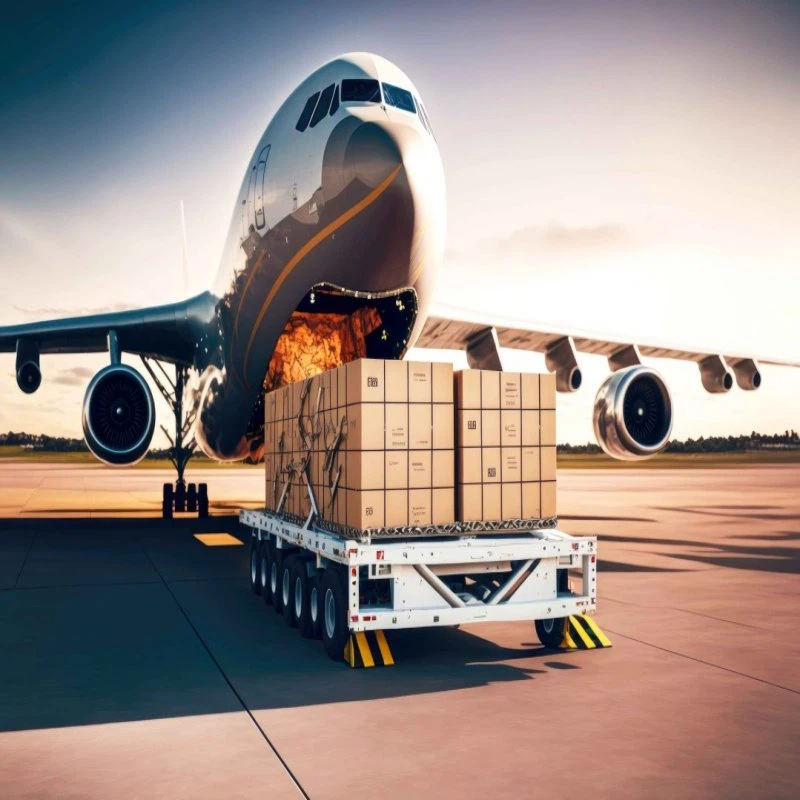
We providing you with the broadest and most flexible range of DDU DDP EXW air freight services to move your goods quickly and reliably.

INTERNATIONAL AIR TO USA is unlike any other form of shipping method.First of all, it is fast, convenient and allows you to reach a broader range of the market. Besides, it is one of the ways that businesses are using to make money and scale up the global economy, today.
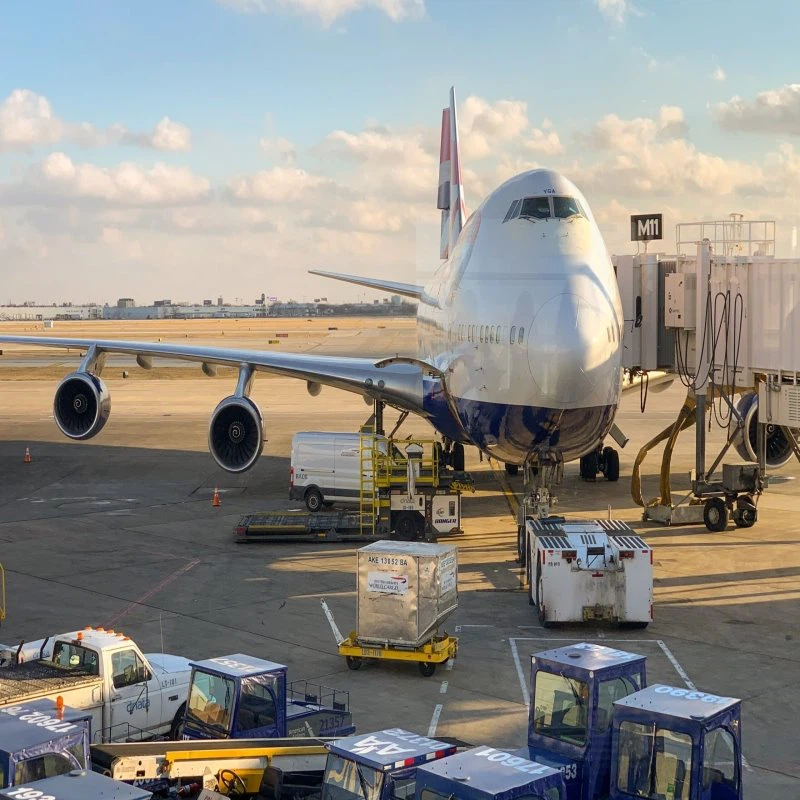
Air Freight Door To Door Delivery
Air freight door to door delivery terms means to ship goods from your supplier to your warehouse or home directly.
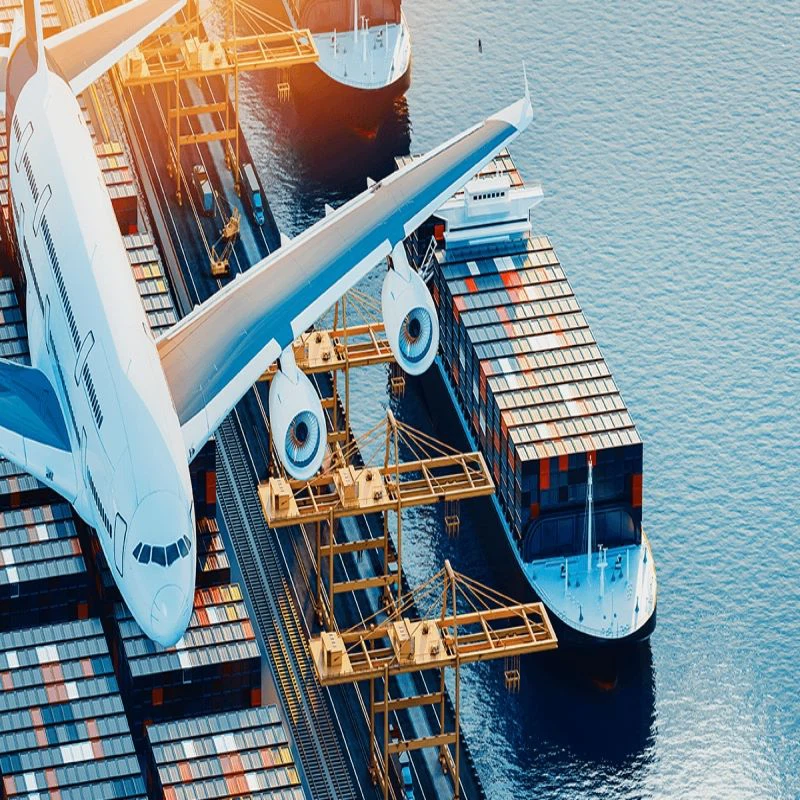
By combining the lower costs of ocean freight with the speed of air freight, our ocean by air freight service gets your cargo to its destination on time, at a highly competitive price.

About the refrigerated air cargo, refrigerated Containers are specialized containers that feature temperature control mechanisms.Also called reefer containers, these containers have special features making them perfect for your perishable.

Our international cargo airlines service gets your cargo where it needs to be, on-time, every time. Working with carefully selected carriers, operating schedules on all the world's major routes, we help you plan with certainty and deliver on your promises.

About the By Air Cargo Charges, Air Cargo freight has won a considerable market with its fast, safe and punctual ultra-high efficiency, greatly shortened the delivery time, and played a great role in accelerating the capital turnover and circulation of the logistics supply chain.

Products Description Our Air Cargo Delivery service offers some of the best freight shipping rates in China. Unlike most shipping companies, we are committed to ensuring that our customers enjoy reliable, affordable and fast services.

At UPS Air Freight International, We find the freight forwarding service that's right for you, explore logistics services and get your freight moving in the UPS® Forwarding Hub.
What is Airway Cargo
Air cargo refers to cargo that is moved by air transportation. Shipment of cargo by air is considered one of the faster, though more expensive, modes of transportation. Different types of freight require different declarations, paperwork, industry codes and regulatory compliance. For example, international air freight requires specific codes released by The International Air Transport Association and air transport in general requires an Air Carrier License issued by the TSA to ensure security requirements are met.
Benefits of Airway Cargo
Speed and Reliability
Arguably, the biggest advantage of air cargo charters is the speed in which goods get transported. This mode of transportation offers the fastest shipping times, along with accurate and reliable departure and arrival times, with some cargo flights being booked and flown on the same day. For shippers with time-sensitive cargo, such as perishable goods or certain medical supplies, air transport is often the only option.
Security
While airport security can generally be described as a hassle for those of us who fly as passengers, strict regulations and screenings benefit air freight shippers. Air cargo offers a high-level of security. Safety controls and protocols over air cargo are tightly managed and leave little room for theft or potential damage.
Locations Served
A huge benefit of charter flights is that most locations can be serviced by air. Even small, remote places can be accessed by smaller aircraft, as most airlines have a large network of destinations that covers almost the entire globe.
Tracking
The majority of air freight service providers offer web-based aircraft tracking, enabling you to check your cargo status in real time, from departure to arrival. The CharterSync platform allows you to track your cargo in real time via our platform, and our operations team are on hand 24/7 for any questions you may have.
General Cargo
Items of general cargo for air transportation needs generic precautions, preparations, handling. Some examples of general cargo are dry goods, hardware, textiles, and other retail and consumer goods excluding mobile phones, laptops, and tablets.
Special Cargo
Items of special cargo have specific needs during air transportation-they may need special packaging, labelling, documentation, and handling, for example. And anyone responsible for moving special cargo may have to comply with goods-specific regulations. Examples of special cargo include dangerous goods, products that are sensitive to time and temperature, and perishable cargo.
Dangerous goods
The dangerous goods category encompasses any substance or material that is capable of posing risk to health, safety, and property when transported in commerce. Even objects that might seem harmless can pose a threat to the aircraft.For instance, a can of whipped cream could be considered as a dangerous item because it is packed with aerosol. When flying, the vibrations or pressure variations can cause such a can to leak and exude fumes. To reduce the risk of such an event proper identification of a dangerous item is required.
Application of Airway Cargo
Pharmaceuticals and Medical Supplies Transportation
Air cargo is vital for the transportation of pharmaceuticals and medical supplies. These items are often time-sensitive and require careful handling, making air cargo the preferred mode of transportation.For instance, vaccines need to be transported under strictly controlled temperatures to maintain their efficacy. Air cargo services, with specialised temperature-controlled facilities, ensure these critical medical supplies reach their destination safely and promptly.
E-commerce Deliveries
The rise of e-commerce has significantly increased the demand for air cargo services. Online shoppers expect quick deliveries, and air cargo is often the most efficient way to meet these expectations.Furthermore, as e-commerce becomes more global, the need for air cargo services increases. It enables businesses to deliver products to customers around the world in a timely and reliable manner.
Transportation of High-Value Goods
High-value goods, such as electronics, jewellery, and artworks, are often transported by air for security reasons. Air cargo services provide secure facilities and tight controls, which minimise the risk of theft or damage.Moreover, the fast delivery times offered by air cargo reduce the time these high-value goods are in transit, further reducing the risk of loss.
Emergency and Disaster Relief Supplies Transportation
In times of emergencies and natural disasters, air cargo services often provide a lifeline. They can quickly transport relief supplies, such as food, water, and medical supplies, to the affected areas.Air cargo's ability to reach remote areas and its speed make it invaluable in these situations. It can often mean the difference between life and death for those affected by disasters.
Unique Components to Airway Cargo
In all aviation, one of the largest factors that impact speed and price is the overall weight of the airframe and its contents. In cargo operations, the take-off weight of an airframe in flight can vary substantially-an airframe fully loaded with heavy cargo easily double the total weight of the same aircraft without cargo. All aircraft have what is known as a "maximum take-off weight"-or the maximum weight at which an aircraft can safely take off and reach the desired altitude and flight path. This weight is calculated as a combination of the physical aircraft, cargo, passengers, and fuel.
Aircrafts consume relatively large amounts of fuel per kg compared to other transport methods, and unlike other modes of transport, stopping to undergo refuelling is a complicated process. Whereas a boat or vehicle running out of fuel in mid-movement might strand a vehicle or leave it adrift, an aircraft running out of fuel has immediate and tragic consequences. In aviation, fuel calculations are estimated per flight, based on range, altitude, cargo load, wind conditions, and if the airport of arrival has refuelling capabilities. In real terms, there are many factors that might make travel over the same distance consume more or less fuel than it would in a similar route.
Aircraft-though highly engineered pieces of equipment-can still be heavily impacted by the physical environment. In addition to factors that can be controlled by the crew and pilots (such as load and maintenance) some external factors that might impact an aircraft's ability to operate safely are:Take-off/landing altitude-the higher altitude a landing strip or airport is, the more hazardous take-off and landing might be. Fixed wing aircraft will need to approach landing strips at faster speed and reach a faster speed to take off, all while requiring a longer runway to accommodate both. Rotor wing aircraft will need a slightly higher rotational speed to achieve lift at higher altitudes as well.
Though aircraft may be able to physically fly to a destination, they may not be able to adequately service the cargo needs.Limiting factors might include:Lack of refuelling capability on the ground-aircraft on long haul flights may not be able to properly stop and offload if they cannot refuel.Lack of ground handling equipment-most commercial aircraft will require some form of specialised MHE to offload and move cargo around. Lack of proper MHE can impede or prevent offloading or loading all together. Some aircraft, especially military aircraft have the capacity to load without MHE, and may have onboard ramps to tail and nose load aircraft by hand.
How to Choose Airway Cargo


Cost of exporting internationally
Air freight might be more efficient and safer, but it is also more expensive when compared to exporting goods by ocean freight. To make the right decision for your business, you should consider the volume of the order you plan to export, the weight of the goods including the packaging and total value of the shipment. The price to export goods is calculated by the size, weight and type of goods you're exporting overseas and your industry. So most small to medium-sized businesses delivering bulk orders, choosing ocean freight over air freight is often better financially.
Time and speed
As we've just mentioned, air freight is the fastest method to send items overseas, so if your order is time-sensitive, you should recommend air freight to your buyer and explain the additional fees to send goods quickly. If time and speed is not a concern for your customer, it will be far better in terms of price to choose ocean freight.Typically, goods can reach their final destination with 48 hours by plane, but by sea, an order could take several weeks to arrive. It's also important to make your buyers fully aware of your shipping options and any associated fees and potential delays when it comes to international delivery. Customers appreciate transparency and if your order details include shipping and delivery information, there will be no room for miscommunication.
Reliability
In business, reliability is important for both the exporter and the buyer. You should consider how reliable the freight company is that you're thinking of working with before placing an order with them. Delays, problems with customs and lost goods can be a nightmare for companies trying to ship goods overseas, and may even cause disputes, cancellations and bad reviews from your customers. To avoid issues in the future when shipping internationally, make sure the freight company is reliable and experienced.You should also note that air freight is considered far more reliable than ocean freight since weather and unexpected factors can often delay and disrupt cargo ships, while aircraft carriers strive to be consistently on time.
Environmental impact of international shipping
You should also consider how the method of transport you choose to ship goods overseas will impact the environment. Becoming more eco-friendly as a business will not only help you to save the planet and reduce waste, but you'll also be able to attract more customers who value green and eco-friendly companies. Ocean freight has far lower CO2 emissions than air, but with oil spills associated with cargo ships and their significant impact on delicate ecosystems, you should way up the pros and cons of each before making your final decision.
Process of Airway Cargo
Step One: Placing an Order
First of all, a quote and a product order must be placed. When it comes to importing and exporting, it's a two-way street. There is then research done to ensure that the desired supplier actually works parallel with the method of the charter that wants to be used. For example, if a business or organisation wants to order from a supplier and the commercial airline that is planned to be used does not operate with that supplier, then a new plan must be made. This is the stage where you need to truly evaluate air freight and if it is the right decision to be made.
Step Two: Pricing Up
Second to evaluating if you want to use air freight, is then having a sound understanding of the impact of air freight. Before you enter into any contract, you need to ensure you understand the operation side of the transport. Ensuring you understand how volumetric ratios work and how you are being charged based on weight is important as well as understanding the types of containers that will be used for your cargo. This is to ensure that your goods and transport meet the air freight security regulations and further cement why you are choosing this method of importing and exporting.
Step Three: Loading Your Cargo
Thirdly, is finally packing your cargo and booking your freight. This is the stage in the air freight process when you can speak to a forwarder about any restrictions applied to your cargo, compare and decide what service you would like to use and decide what route you would like your goods to take. If the goods will not last or are perishable, then choosing a direct route will be more beneficial.
Step Four: Passing Checks
Once your cargo has passed all the checks and all of the documentation has been provided, the next step in the air freight process is to have your goods processed through export customs and placed into transit. On arrival, your cargo will still have to go through checks for the country that it is being imported into. Getting clearance on these products will be a result of vigilant checks and further paperwork. To ensure there are no hiccups at this stage, it is important to thoroughly check the customs policy for the country or destination for which goods are being imported.
Steps to Success when Shipping Airway Cargo
Determine whether your freight is suited for air transport
Your transportation provider will first need to know what you're shipping, and what your objectives are. This basic information will determine whether air transport is optimal, or even feasible.Today's air cargo fleet includes a mix of both legacy and modern types of freighter aircraft, ranging from small planes to wide-body freighter aircraft, such as the Boeing 777F, 747F and Antonov An-124. These large aircraft can offer payloads as high as 264,000 lbs., and over 21,000 cubic feet- a segment of the industry often referred to as "heavy lift."
Define your freight accurately, including dimensions and weight
To verify the feasibility of shipping your freight via air transport, a carrier will require highly accurate definitions of the physical cargo, including dimensions and weight. Each aircraft is certified to legally operate to a maximum gross takeoff weight; that number will vary with every trip based on factors beyond the payload, such as ambient temperature, weather conditions, and the altitude of the airport and route. Similarly, each aircraft has a finite volume capacity, as well as other loading restrictions.
Specify origin and destination responsibilities
Ground handling issues are some of the most frequent causes of delays or failures for air cargo transport. As a shipper, you must specify the origin and destination points, and confirm whether or not you need door-to-door, point-to-point or intermodal solutions.With door-to-door service, your provider will arrange ground transportation to pick up your freight at a designated location for delivery to the airport, and arrange a similar service in reverse at the destination.
Address all contractual and administrative requirements at booking
Shippers who use air transport only infrequently may overlook administrative matters that must be addressed with the provider prior to booking the load. For example, air charter has a significantly higher cost than ground trucking, and may require that your provider raise your credit limit. Be aware that contracts vary by mode of air transport, the specific nature of the transport and the service provider's own standards. For example, the current standard of practice for most international and "heavy lift" air carriers is 100% payment in full at booking.
Company Services


FAQ
Hot Tags: airway cargo, China airway cargo company, Air Freight Door To Door Delivery, Sea Forwarder, Sea Ocean Shipping, Sea Container Transport, Fba Air Freight, Forward Final Mile Appliance Delivery


