Let's face it, the world of logistics is full of jargon. If you're weighing your shipping options, you've likely come across the terms "Intermodal" and "FTL" (Full Truckload). They might seem similar on the surface-both move large amounts of freight-but choosing the right one can significantly impact your budget, timeline, and peace of mind. So, what's the real difference, and more importantly, which one is the smarter choice for your business?
The Direct Route: Full Truckload (FTL) Shipping
Think of FTL as a dedicated, non-stop flight for your cargo. You hire an entire truck (or a dedicated container on a truck) to transport your goods directly from point A to point B. It's straightforward:
- One shipment, one trailer, all to yourself.
- Minimal handling, reducing the risk of damage.
- Faster transit times for direct, long-haul routes.
FTL is your champion when you have enough freight to fill a trailer (or close to it), are shipping high-value or time-sensitive goods, or require specific equipment or conditions.
The Strategic Relay: Intermodal Shipping
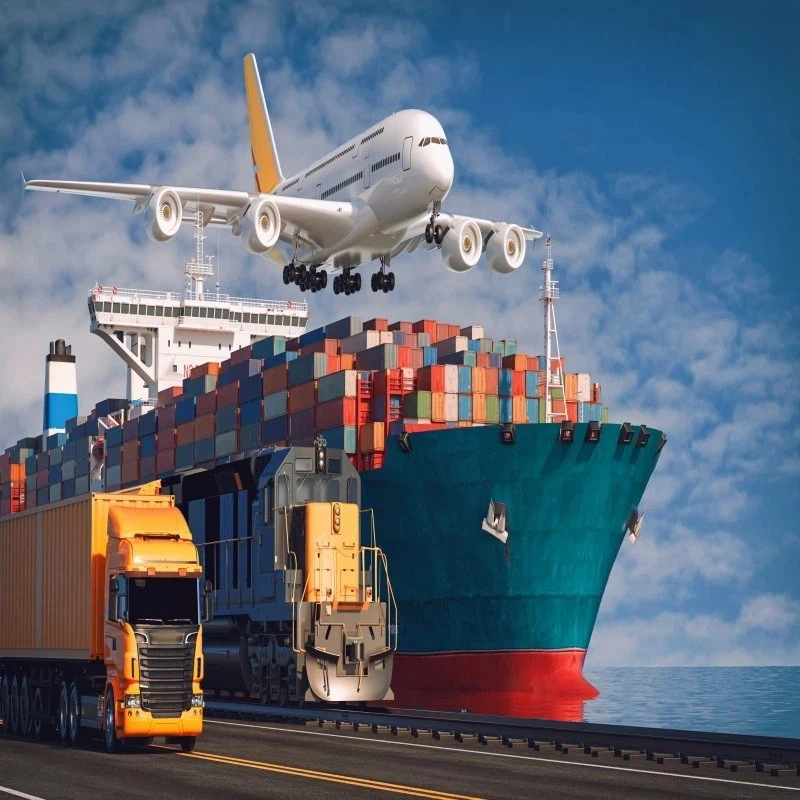
Now, imagine a well-coordinated relay race. Intermodal shipping is exactly that. It combines the strengths of different transportation modes-typically using standardized containers that move seamlessly from ships to trains to trucks-without unloading the actual freight inside.
- Uses rail for the long-haul, middle portion of the journey.
- Uses trucks for the initial pickup and final delivery ("first and last mile").
- Is inherently more eco-friendly due to rail's fuel efficiency.
Intermodal shines for long-distance hauls (especially over 500 miles), non-time-critical shipments, and when cost-efficiency and sustainability are key priorities.
So, Which One Wins?
There's no universal winner. The "better" option hinges entirely on your specific needs:
Choose FTL for speed, exclusivity, and direct control.
Choose Intermodal for cost savings on long routes, reduced carbon footprint, and reliability on major lanes.
This is where the real magic happens-and where XMA Logistics becomes your strategic partner. Analyzing these trade-offs in a vacuum is one thing; navigating them in the complex real world is another. You shouldn't have to be an expert in freight modes; that's our job.
We don't just offer services; we provide the right solution. Our expertise lies in cutting through the complexity for you. We examine your cargo, timeline, budget, and goals to recommend the optimal path-be it FTL, Intermodal, or a blended strategy. Our deep network and buying power grant us access to reliable capacity and competitive rates across both modes, which we pass on to you.
For instance, we might leverage intermodal shipping to give you substantial cost savings on the cross-country leg of your journey, then seamlessly coordinate the final truck delivery to meet your schedule. Or, we might determine that the urgency of your shipment demands a dedicated FTL solution and secure it for you swiftly.
At XMA Logistics, we turn the complicated "Intermodal vs. FTL" question into a simple, data-driven decision. We build flexibility, resilience, and efficiency into your supply chain, so you get more than just a moving service-you get a competitive advantage.
Ready to move beyond the jargon and find your smartest route? Let's talk about your next shipment.