When it comes to moving goods from point A to point B, especially across borders, there isn't a one-size-fits-all solution. Choosing the right method can mean the difference between a smooth supply chain and a logistical headache.
If you've been in the industry for a while, you know that freight is generally categorized into four main types. Understanding these is the first step to optimizing your supply chain for cost, speed, and reliability. At Xiamen AE Global, we've spent over a decade helping businesses navigate these options, leveraging our network of over 100 overseas agents to ensure your cargo is always in the right hands.
Here's a breakdown of the four primary types of freight and how to know which one fits your needs.
1. Sea Freight (Ocean Freight)
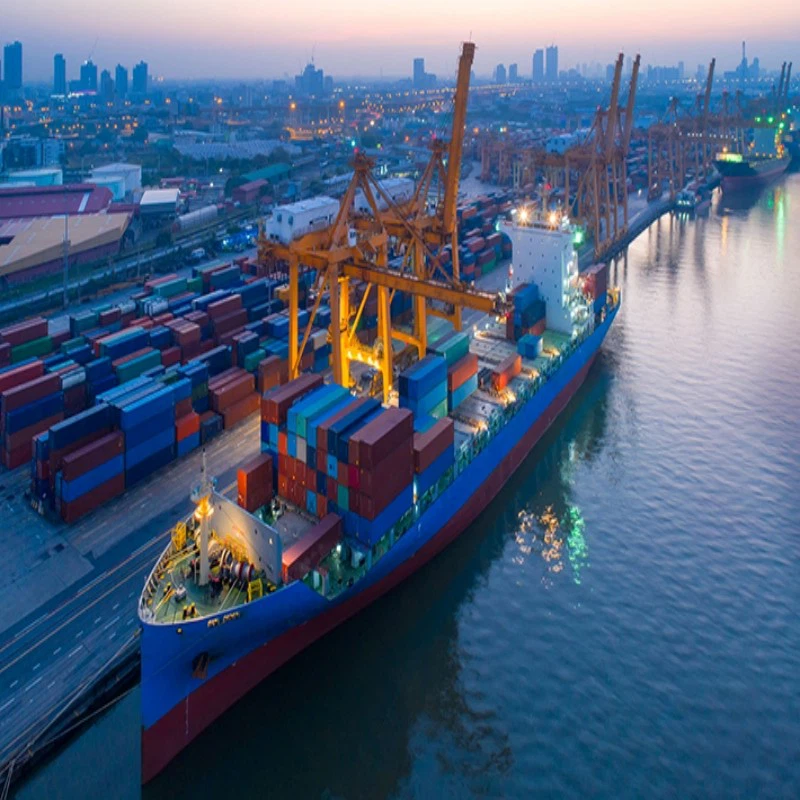
This is the backbone of international trade. If your shipment is large, heavy, or not urgent, moving it by ship is almost always the most economical choice. Within this category, you often have options like Full Container Load (FCL) for large shipments or Less than Container Load (LCL) for smaller cargo.
For businesses looking at Global Sea Freight, the complexity often lies in the documentation, customs clearance, and coordination at both ends. Our expertise in Global Sea Freight comes from our NVOCC and FMC licenses, which allow us to handle the paperwork and regulatory requirements seamlessly, so your containers aren't stuck waiting at the port.
2. Air Freight
When speed is the priority, air freight is the solution. This mode is ideal for high-value goods, perishable items, or urgent restocks. While it comes with a higher price tag than ocean freight, the reduction in transit time can often justify the cost.
Because time is money, we focus on making air freight as straightforward as possible. Our IATA certification ensures we meet strict safety and operational standards, offering DDP and DDU air freight services that take the guesswork out of last-mile delivery.
3. Rail Freight
Often overlooked, rail freight is the "middle ground" between air and sea. It is a fantastic option for shipments moving between major manufacturing hubs in Asia and consumption markets in Europe. It offers faster transit than ocean freight at a fraction of the cost of air freight.
4. Road Freight (Trucking)
While sea and air handle the long-haul international movement, road freight is what gets the product to the doorstep. Whether it's drayage to move a container from the port to a warehouse or door-to-door delivery, trucking is essential for the first and last mile.
Why the Right Choice Matters-and How We Help
Selecting the right freight type is only half the battle. The real value comes from working with a partner who can execute the plan without hiccups.
With over 10 years of experience, we at Xiamen AE Global don't just book space on a ship or plane; we provide a comprehensive solution. Whether you are shipping a full container via Global Sea Freight or a complex break-bulk project that requires special handling, our team operates with a commitment to professionalism and honesty.
We know that shipping from China involves more than just transportation. That's why we integrate customs clearance, warehousing, and cargo insurance into our offerings. By managing the entire process-from the factory floor to the final destination-we help you avoid the delays and unexpected fees that often plague international shipping.
Ready to move your cargo? Whether you need the capacity of ocean freight or the speed of air freight, we have the global network and the local expertise to make it happen smoothly.