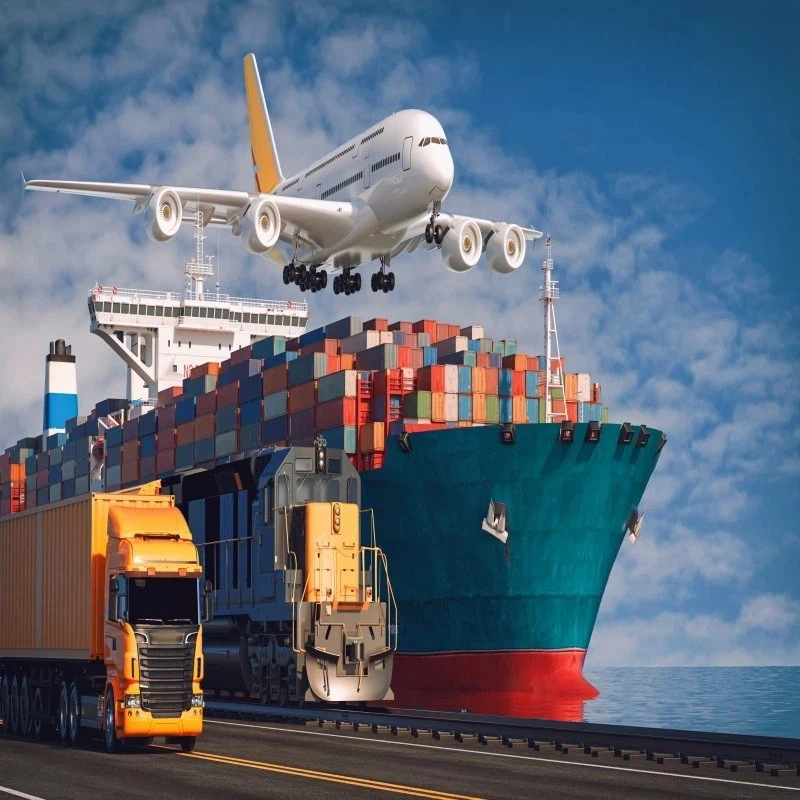
When you ask logistics insiders what keeps the world's goods moving, one thing everybody mentions is the paperwork-specifically, the difference between a Bill of Lading (B/L) and an Air Waybill (AWB). Mixing up these two documents can lead to delayed shipments, unexpected customs headaches, or even losing control of your cargo.
Here's the quick take: a Bill of Lading is used for ocean freight and acts as a document of title, which means whoever holds the original B/L owns the goods. An Air Waybill (AWB) , on the other hand, is used for air freight and is non-negotiable-it proves the carrier has accepted your shipment but does not transfer ownership. So if you're shipping by sea, you guard that B/L like cash. If you're flying your goods out, the AWB is your receipt and contract, but it won't give you control over who picks up the cargo at the other end.
Now, why does this matter for your air cargo delivery ? A lot more than most shippers realize.
The Title Trap: Why Ownership Changes Everything
Let's start with the most critical difference.
A Bill of Lading is a negotiable document. In plain English, that means it can be sold, traded, or used as collateral while the shipment is still on the water. A buyer can't take possession of the goods without presenting that original document at the destination port. This feature has been the backbone of international trade finance for centuries-sellers hold the B/L until they receive payment, and banks take them as security under letters of credit.
An Air Waybill , by contrast, is always non-negotiable. It is not a document of title. You can't sell it, you can't endorse it, and you certainly can't use it to stop a consignee from picking up your cargo once it arrives. What it does do is serve as a receipt-proof that the airline has taken charge of your goods-and a contract of carriage that sets out the terms of transport.
So here's the practice: if you're shipping a high-value purchase order from China to Europe and you haven't been paid in full, putting those goods on a cargo ship gives you leverage. You keep the B/L, you keep control. If you put them on a plane, that leverage disappears the moment the landing gear touches down at the destination airport. The consignee simply shows ID at the cargo terminal, and the goods go out the door.
Different Speeds, Different Documents
The second big difference comes down to the mode of transport and the speed of your supply chain.
Ocean freight moves at a slow, predictable pace. A container ship takes weeks to cross an ocean. That timeline allows for physical documents to move through the mail, banks to process letters of credit, and everyone to take a deep breath.
Air freight is the opposite. When you choose air cargo delivery over ocean freight, you're making a deliberate decision to accelerate everything-your lead times, your cash conversion cycle, and your customer's satisfaction. Aircraft move fast, and the documentation has to match that speed. Nobody wants to wait three days for a paper B/L to be couriered from Shanghai to Chicago when the plane lands in eighteen hours. That's why the AWB is designed to be simple, fast, and electronic. You don't need a physical original to release the cargo at destination. You just need the AWB number and proper identification.
For time-critical shipments-pharmaceuticals, automotive parts, seasonal retail goods, emergency repairs, live animals-there is no alternative. You fly the goods, you use an AWB, and you accept that air freight transfers custody but not title. That's just how the game works.
Master Versus House: Two Flavors of AWB
There's one more layer to this that trips up a lot of first-time air freight shippers: the difference between a Master Air Waybill (MAWB) and a House Air Waybill (HAWB).
The MAWB is issued by the airline (or its authorized agent) directly to the freight forwarder who booked the cargo space. It covers the entire consolidated shipment that goes on the aircraft and governs the relationship between the carrier and the forwarder.
The HAWB , on the other hand, is issued by the freight forwarder to each individual shipper. In a consolidated air shipment where multiple customers' cargo is loaded into the same aircraft belly, each shipper gets their own HAWB, and all those HAWBs sit under a single MAWB held by the forwarder. The HAWB is what you-the customer-actually see and use for your customs clearance, shipment tracking, and delivery coordination at the destination.
Why does this matter to you? Because when things go wrong, knowing which document you hold tells you who to call. No tracking update on your HAWB? The forwarder is your first point of contact. Cargo held at the destination airport with no explanation? That's an airline-level issue, and your forwarder needs to escalate using the MAWB number.
Where Logistics Experience Saves the Day
This is where a knowledgeable freight forwarding partner makes all the difference. When you work with an experienced logistics provider, you don't have to figure out which document to use, when to issue it, or how to navigate the handshake between HAWB and MAWB.
XIAMEN AE GLOBAL has been operating in this industry for over a decade, with a network spanning more than 100 overseas agents around the world. Our team handles the full range of airfreight, ocean freight, customs clearance, warehousing, and project shipments. We're IATA-approved, FIATA-accredited, and fully licensed-so you can trust that your documents are issued correctly, your shipment is tracked properly, and your cargo goes exactly where it needs to go.
Whether you're a seasoned importer who knows exactly what a HAWB looks like, or a first-time exporter trying to figure out why anyone would use an AWB instead of a B/L, we speak both languages. We manage the paperwork so you can focus on your business.
A Few Practical Takeaways
Here's what you should remember next time you're preparing a shipment:
- Choose sea freight with a B/L when you need to retain ownership of the goods until payment clears-especially for high-value orders or new trading partners.
- Choose air freight with an AWB when speed is your priority, when you trust your buyer, or when the goods are low enough in value that the risk is acceptable.
- Always double-check the consignee information on your AWB. Since there's no title document to control who picks up the cargo, an incorrect consignee name or address can send your goods to the wrong hands with no way to stop them.
- Work with a forwarder who understands both documents inside and out. The difference between a MAWB and a HAWB, between a straight B/L and an order B/L, between an AWB that requires pre-payment and one that doesn't-these distinctions can cost you thousands if you get them wrong.
The Bottom Line
Bills of Lading and Air Waybills look similar on the surface-both describe the cargo, name the parties, and set out the terms. But underneath, they couldn't be more different. One gives you ownership. The other gives you speed. Knowing which one you need, and when, separates professional shippers from the ones who learn the hard way.
At XIAMEN AE GLOBAL, we've built our reputation on making complex logistics simple for our clients. From a single package to a full warehouse consolidation, from Xiamen to anywhere in the world, we handle the details so your supply chain runs smoothly. When you're ready to move your next shipment-by air, by sea, or by rail-reach out to our team. We'll make sure the right document is on the right desk at the right time.