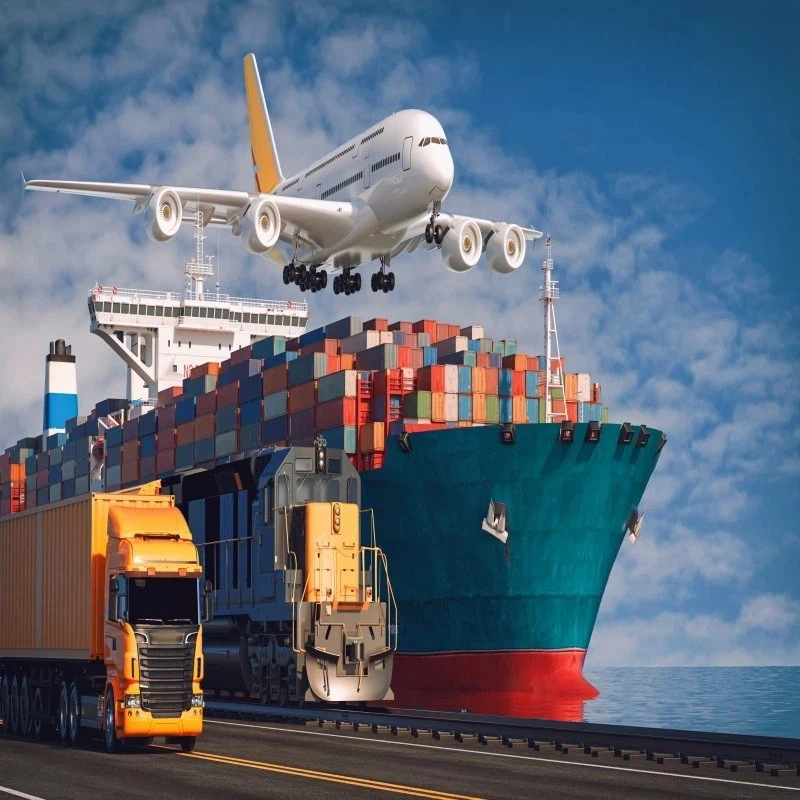
If you've ever looked at a Bill of Lading and an Air Waybill side by side and thought they look pretty similar, you're not alone. But here's the truth: mixing these two up can cost you time, money, and a whole lot of headaches at the customs gate.
Let me break it down in plain English-so next time you're shipping something across borders, you'll know exactly which document goes where.
What Exactly Is a Bill of Lading?
A Bill of Lading is a legal document issued by a carrier to a shipper. Think of it as a three-in-one: a receipt for your goods, a contract of carriage, and most importantly, a document of title. What does that mean? Whoever holds the original BOL owns the goods being shipped. It's negotiable, transferable, and absolutely critical when you're dealing with Ocean By Air Freight decisions-because if cargo moves on the water, you're almost certainly looking at a BOL, not an AWB
.
BOLs are typically used for ocean, rail, and truck shipments. When you send a full container across the Pacific, your BOL is your proof of ownership, and the consignee needs to present the original document to claim the cargo at destination.
What About the Air Waybill?
An Air Waybill, or AWB, is the document that accompanies air freight shipments. It serves as a receipt and a contract between shipper and carrier-but here's where it differs from a BOL: an AWB is non-negotiable. It does NOT represent title to the goods. You don't need to surrender an original AWB to pick up cargo; the consignee simply proves their identity and collects the shipment. That's why you'll find AWBs everywhere in express deliveries, e-commerce, and time-sensitive air freight operations. When you're evaluating the right fit for Ocean By Air Freight strategies, knowing this distinction upfront can save you from costly document mismatches.
The Key Differences You Need to Remember
Here's a quick rundown:
Feature
| Bill of Lading (BOL)
| Air Waybill (AWB)
|
Transport mode
| Ocean, rail, truck
| Air freight only
|
Negotiability
| Yes-can be bought, sold, traded
| No
|
Document of title
| Yes
| No
|
Required for pickup
| Original document required
| Proof of identity sufficient
|
Transport mode is the first big giveaway-BOL for the ocean, AWB for the air. But the negotiability difference is the real game-changer. A BOL lets you transfer ownership while cargo is in transit, which is why banks and traders love it for Letter of Credit transactions. An AWB is simpler and faster, perfect for B2C shipments and smaller volumes where speed matters more than complex ownership transfers.
So How Do You Choose Between Ocean and Air-and Which Document Follows?
Here's where the concept of Ocean By Air Freight becomes a practical question. When you're making the decision between ocean and air, you're really choosing between cost-effectiveness and speed:
Ocean Freight
| Air Freight
| |
Transit time
| 20–45 days
| 2–5 days
|
Cost per kg
| US$0.50–2
| US$5–10
|
Best for
| Bulk, heavy, non-urgent
| Urgent, high-value, perishable
|
Ocean freight saves you money-often up to 90% cheaper-and handles massive volumes. Air freight gets your goods to the other side of the world in a matter of days, though you'll pay a premium for that speed.
The document follows the mode: ocean means BOL, air means AWB. Mix them up and you could face customs refusal, delivery delays, or even legal complications.
Why Getting This Right Matters (And How XMAE Logistics Has Your Back)
At XMAE Logistics, we've seen shipments stall at ports and airports simply because someone grabbed the wrong paperwork. That's why we make it our mission to get the documentation right-every time, regardless of whether your cargo moves on a ship or a plane.
We're a trusted global freight forwarder specializing in air, ocean, and land transportation. Our team handles everything from pre-clearance planning to final delivery, so you don't have to stress about which form goes where. We combine decades of hands-on experience with technology-driven solutions that give you real-time visibility and peace of mind.
Whether you need a BOL for a full container crossing the Pacific or an AWB for urgent air cargo, we'll guide you through the process, make sure your documentation is flawless, and keep your supply chain moving smoothly.
Ready to Ship With Confidence?
Don't let paperwork trip you up. Reach out to the XMAE Logistics team today for a consultative conversation about your shipping needs. We'll help you navigate the documents, choose the right transport mode for your freight, and get your goods where they need to go-on time and without the headaches.
This article is part of XMAE Logistics' ongoing series helping businesses understand global shipping. Have questions about BOLs, AWBs, or anything in between? Contact us anytime.