

Let's be honest-choosing how to ship your goods internationally can feel like a guessing game. And in today's supply chain landscape, guessing wrong means lost revenue, unhappy customers, and headaches nobody signed up for.
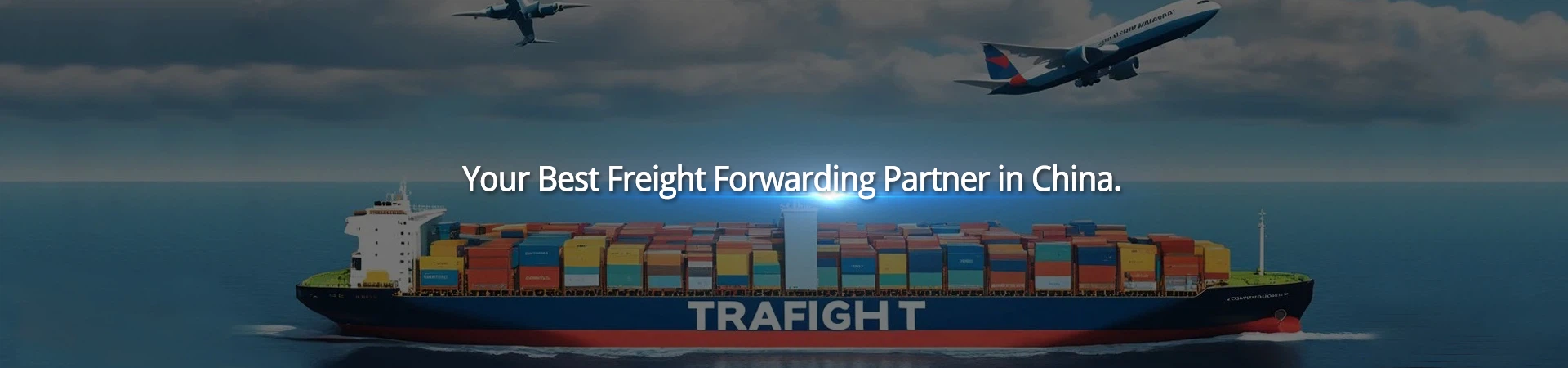
Whether you're shipping high-value electronics from Shenzhen to Chicago or moving seasonal inventory from Ningbo to Hamburg, the question inevitably pops up: do I send it by air, or let it take the slow boat?
Here's the reality: there's no universal "right answer"-only the answer that fits your business today. Let's break it down in plain English, no industry buzzwords, just what actually matters.
Speed vs. Wallet: The Trade-Off You Can't Ignore
If you need something there yesterday, air cargo is your best friend. International air freight typically lands goods on the other side of the world in 1 to 7 days. For urgent restocks, seasonal peaks, or time-sensitive components that keep your production line humming, that speed can be a lifesaver.
But here's where things get interesting. Ocean freight moves at a very different pace-think 15 to 45 days depending on origin, destination, and how many ports you're hitting along the way. For bulky or heavy items that don't have a ticking clock attached, the cost savings can be substantial. We're talking about a difference that often runs five to fifteen times less per kilogram for ocean routes compared to air.
So how do you decide? Ask yourself two questions: How urgently does my customer need this? and What's the cost of delay versus the premium I'm paying for speed?
When Air Makes Sense (and When It Doesn't)
Air freight shines when your cargo is high-value, lightweight, or urgently needed. Think iPhones, automotive parts for a halted assembly line, medical supplies, or the last piece of inventory for a flash sale. The premium you pay buys you days-sometimes weeks-of inventory turns and customer goodwill.
But here's what many shippers overlook. Ocean by air freight isn't always a pure one-or-the-other decision. Sometimes the smartest move is a hybrid approach: move the bulk of your inventory by ocean to keep costs under control, then top up with emergency air shipments when demand spikes or supply chain disruptions hit. It's a strategy that balances predictability with agility.
The Hidden Factors Nobody Talks About
Beyond cost and speed, here's what experienced shippers consider before booking:
Seasonality. Ports get clogged during peak season-think August through October ahead of Black Friday and Christmas. If you're shipping during these windows, your "30-day" ocean estimate could easily stretch into 45 or 50 days. Air freight, while more expensive, largely bypasses port congestion headaches.
Cargo Fragility. Fragile electronics, perishable foods, and sensitive medical devices travel better by air-fewer handoffs, less jostling, tighter temperature control. Ocean freight involves multiple transfers and exposure to port environments where humidity and handling can take a toll.
Your Cash Flow. Inventory sitting in a container on the ocean is capital you can't touch. For businesses operating on thin margins or high inventory turnover, that holding cost adds up fast. Faster transit means faster restocking, faster sales, and faster cash coming back in the door.
How We Help You Stop Guessing
At XMAE Logistics, we don't believe in cookie-cutter solutions. Since our founding in 2018, we've built our reputation on handling all kinds of goods-by sea, by air, and by railway-with one guiding principle: your supply chain should work for you, not the other way around.
We're a government-licensed and IATA, FIATA, FMC, and NVOCC-approved forwarder, backed by a network of over 100 overseas agents worldwide. What does that mean for you? It means we have the contracts, relationships, and real-time intelligence to pivot when things go sideways. Blank sailings? Port strikes? Customs delays? We've already mapped alternatives.
We treat your cargo like it's our own. Ocean by air freight decisions are made with full transparency-we'll walk you through the trade-offs for your specific shipment, not some generic rule from a textbook. Whether you're shipping a full container or consolidating smaller loads, we'll help you balance speed, cost, and reliability.
The Bottom Line
Here's a simple framework to keep in your back pocket:
·
Ship by ocean freight if: you're moving bulky or heavy goods, time is flexible, and keeping costs low is your top priority.
Ship by air freight if: your cargo is high-value or urgent, your customer is waiting, or your inventory turns depend on fast restocking.
Consider a hybrid strategy if: you want the best of both worlds-bulk by ocean, emergency top-ups by air-to minimize risk and optimize cash flow.
·
Every shipment tells a different story. The key is having a logistics partner who listens to yours, asks the right questions, and delivers a plan that actually works.
Need help making the call for your next shipment? Reach out to the XMAE Logistics team. We'll break it down together, no sales pitch, no jargon-just honest advice that keeps your goods moving and your customers happy.
