When you think about air freight, you might picture rows of cardboard boxes stacked in a cargo hold. And you'd be right-up to a point. But not all air cargo is created equal, and understanding the two main categories could save you a major headache (and maybe even some money) the next time you need to ship something urgently.
Here's the thing: whether you're shipping a pallet of winter coats or a crate of lab equipment, the air freight industry sorts everything into two basic buckets-general cargo and special cargo. Let's walk through what each one means, what kinds of goods fall into each category, and why knowing the difference matters before you book your next shipment.
The Everyday Stuff: General Cargo
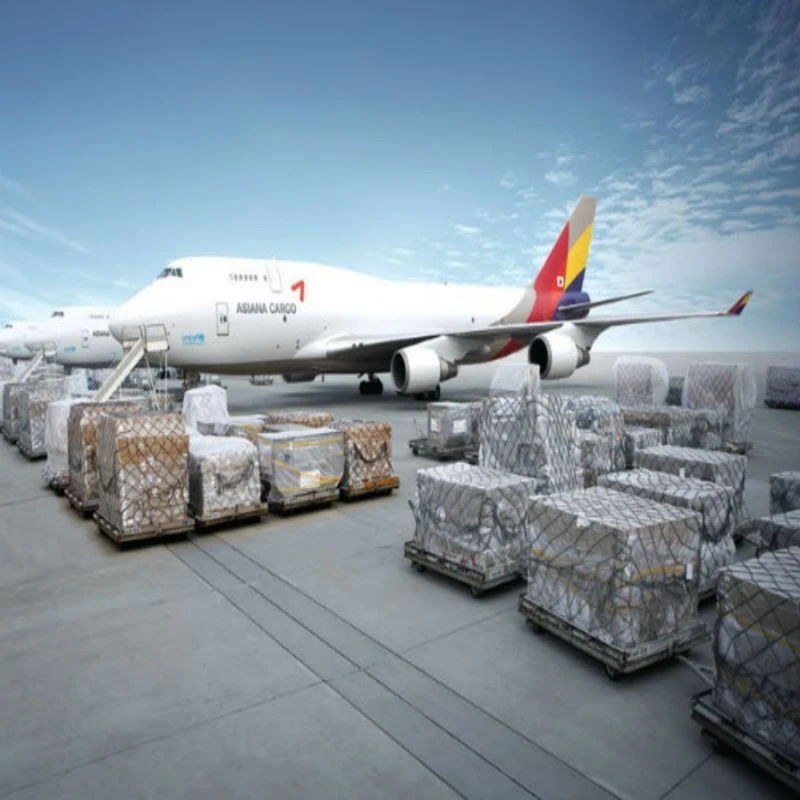
General cargo is exactly what it sounds like-your regular, everyday products that don't need any special treatment. We're talking about non-perishable, non-hazardous items that can be loaded, flown, and unloaded without extra precautions. Think clothing, footwear, household appliances, machinery parts, textiles, hardware, and most standard consumer goods.
Because there's nothing particularly tricky about these shipments, they're straightforward to handle, relatively affordable, and tend to move smoothly through standard air freight channels. That's why the vast majority of air cargo falls into this category. It's the bread and butter of the industry.
A quick heads-up, though: even within general cargo, certain high-value electronics like mobile phones and laptops are sometimes treated with extra security measures. And products containing batteries? Those often require additional documentation, which nudges them closer to the special cargo territory.
The Ones That Need Extra Love: Special Cargo
Now, this is where things get interesting. Special cargo refers to any shipment that requires extra handling, special equipment, additional paperwork, or specific temperature conditions. These goods can't just be tossed on a plane like a box of sneakers-they need a tailored approach.
Here are some common examples:
- Temperature-sensitive goods - vaccines, pharmaceuticals, fresh produce, seafood, flowers, and certain chemicals that must stay within a specific temperature range throughout the journey.
- Dangerous goods (hazmat) - anything that poses a risk to safety, including flammable liquids, compressed gases, batteries, aerosols, and corrosive materials. These are strictly regulated by IATA and require trained personnel to handle them.
- Live animals - from day-old chicks to racehorses, pets to zoo animals, live creatures have strict requirements for ventilation, space, feeding, and stress minimization.
- Perishables - food items with a short shelf life, such as meat, dairy, and cut flowers, often need fast delivery and sometimes refrigeration.
- High-value or fragile cargo - artwork, antiques, jewelry, precious metals, and delicate instruments that demand secure packaging and extra care.
- Oversized or heavy cargo - machinery, industrial equipment, vehicle parts, or anything that won't fit in standard cargo holds. These may require freighters with special loading capabilities.
These subcategories can overlap, too. For instance, pharmaceutical products are both temperature-sensitive and high-value, so they require a combination of cold chain logistics and security protocols.
And here's where most people get tripped up: even everyday products can suddenly be reclassified as special cargo if they contain lithium batteries (found in most electronics) or are made of hazardous materials. That's why it's important to talk to someone who knows the regulations.
Which Category Does Your Shipment Fall Into?
It depends on two things: what you're shipping and how it needs to be handled. If your goods are stable at room temperature, non-hazardous, and don't require any special care, you're looking at general cargo. If your shipment needs temperature control, extra security, special documentation, or has size/weight constraints, it's special cargo.
And sometimes? You might have a shipment that includes both. Imagine sending a container with electronic devices (containing batteries), a few boxes of medicine (temperature-sensitive), and standard textiles. That's a mixed load that requires a freight forwarder with experience handling complex shipments.
Why Working with the Right Freight Forwarder Makes All the Difference
This is where experience really matters. Handling special cargo isn't something every freight forwarder can do well, and misclassifying a shipment can lead to delays, fines, or even cargo being refused at the airport.
At Xiamen AE Global, we've been in the freight forwarding and logistics industry for over a decade. As a government-licensed company approved by IATA, FIATA, and FMC, we know the air freight business inside and out-from everyday general cargo shipments to the most complex special cargo requirements. Whether you're shipping general goods or need temperature-controlled solutions for pharmaceuticals, our team knows how to make it happen without unnecessary delays or surprise costs.
We work with a network of over 100 overseas agents worldwide, so wherever your cargo needs to go, we've got you covered. Need to ship something oversized? No problem. Perishable items that need to stay cold? We've got the right partners and the right processes.
The bottom line: air cargo isn't just about getting boxes on a plane. It's about knowing exactly what you're shipping and making sure it gets the right treatment at every step. That's what we do every day.
Got a shipment you're not sure about? Drop us a line. We'll help you figure out which category it falls into-and get it where it needs to go, on time and without the headache.
This article is part of our Freight Forwarding 101 series, where we break down the basics of international shipping so you can make smarter logistics decisions.