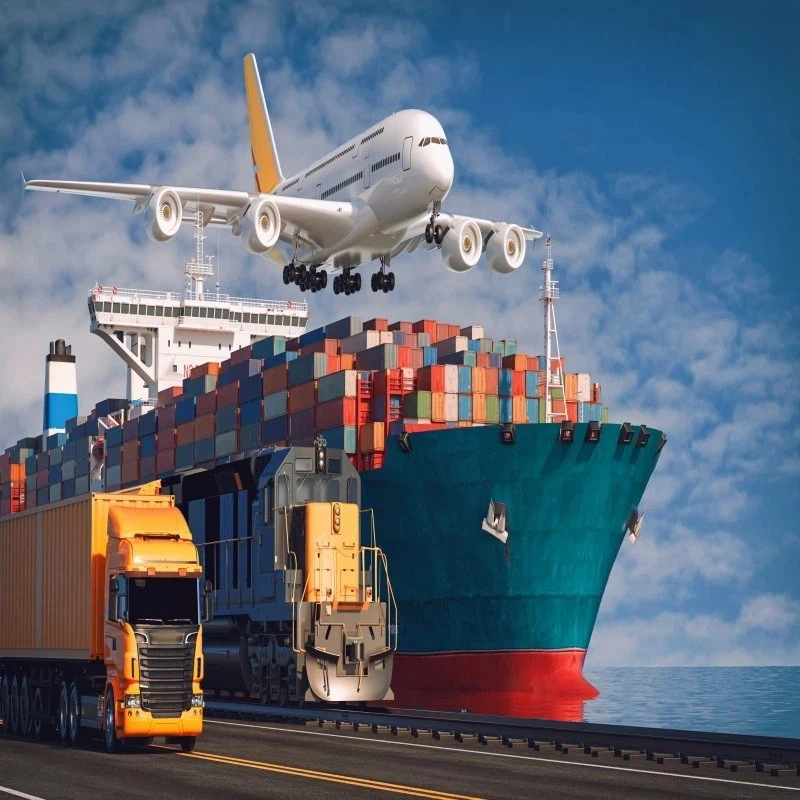
As global trade accelerates its digital transformation, the freight forwarding industry is increasingly relying on information technology to enhance efficiency, reduce costs, and improve customer experience. However, along with this trend, cybersecurity issues have emerged as a significant concern. Freight forwarders handle large volumes of sensitive client and logistics data, making them a prime target for cyberattacks. So, can the freight forwarding industry overcome its cybersecurity woes? The answer is not a simple "yes" or "no"; rather, it depends on how industry players address and adapt to this challenge.
1. Escalating Cybersecurity Threats
In recent years, cybersecurity incidents in the freight forwarding industry have been frequently reported. From data breaches to ransomware attacks, the variety and complexity of cybersecurity events have made the overall security posture of the industry more precarious. Hackers often infiltrate systems via phishing emails, malware, or even insider threats. Once access is gained, it can lead to the exposure of client information and company data.
2. Lagging Regulations and Standards
While there has been a growing body of laws and regulations concerning data protection and cybersecurity, such as the EU's GDPR (General Data Protection Regulation) and the US's CMMC (Cybersecurity Maturity Model Certification), the freight forwarding industry still lacks standardized cybersecurity practices. Many small and medium-sized freight forwarders do not have the technical resources to ensure adequate security or compliance.
3. Varied Technological Adoption Across the Industry
The freight forwarding industry exhibits significant variation in terms of technological adoption. For traditional freight forwarding companies, transitioning to modern information systems can be a daunting task. Many older systems are inefficient and prone to security vulnerabilities, making them easy targets for cybercriminals. For smaller companies, limited budgets and resources make it difficult to invest in robust cybersecurity measures.
4. Enhancing Cybersecurity Awareness and Training
Effective cybersecurity protection relies not only on technical solutions but also on improving employee awareness. Regular cybersecurity training and educating staff about common attack methods can significantly reduce the risk of cyberattacks. Additionally, businesses should enhance security audits of their partners and clients to ensure the entire supply chain remains secure.
5. Embracing Advanced Cybersecurity Technologies
With the advancement of technology, there are now numerous cutting-edge cybersecurity solutions that can help freight forwarders bolster their defenses. For instance, Artificial Intelligence (AI) and Machine Learning (ML) technologies can effectively identify and block abnormal network activities, enhancing real-time monitoring capabilities. Additionally, blockchain technology, known for its high data security features, has shown great potential in the freight forwarding sector, especially in cargo tracking and data sharing, by improving data transparency and tamper resistance.
6. Industry-Wide Collaboration and Information Sharing
Cybersecurity is a collective challenge, and the efforts of individual companies are often limited. To address this issue, freight forwarders can collaborate with industry associations, government agencies, and other stakeholders to establish comprehensive cybersecurity standards and emergency response protocols. Moreover, creating cross-company cybersecurity information-sharing platforms can help quickly identify and respond to emerging cyber threats.
Conclusion
Ultimately, whether the freight forwarding industry can overcome its cybersecurity woes hinges on the collective efforts of all stakeholders. From increased investment in technology and personnel training to strengthened collaboration and information sharing, breakthroughs in these areas will be crucial in effectively tackling the ever-growing cybersecurity challenges. Looking ahead, only by building a strong cybersecurity infrastructure can the industry maintain its competitive edge in global trade and ensure the safety of both company and client data.