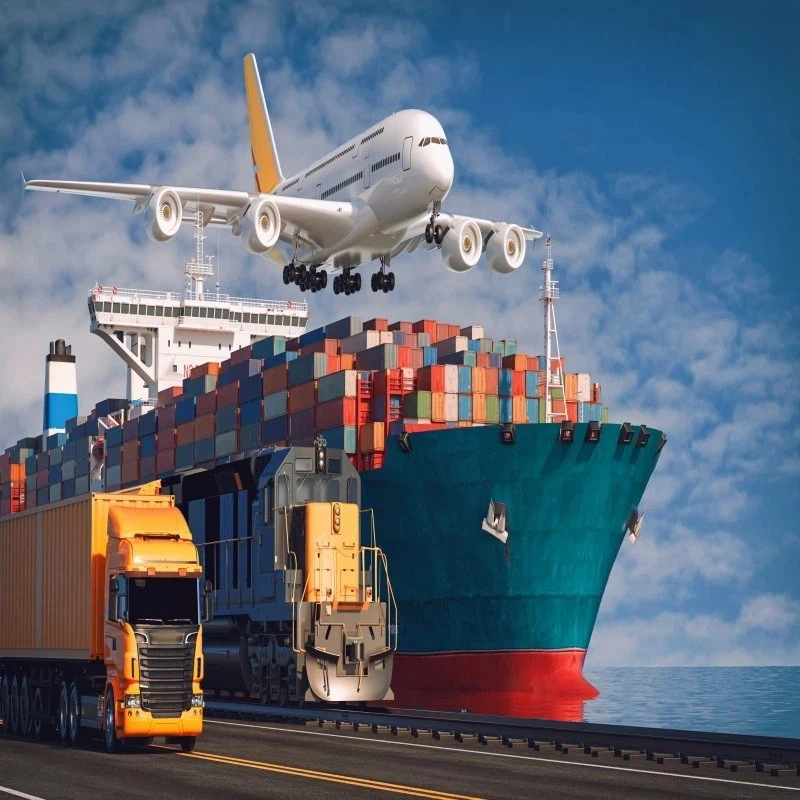
When you're moving goods across borders, one of the first questions you'll face is: what kind of cargo am I actually shipping? The answer matters more than you might think-it determines which carriers you can use, how your shipment is handled, and most importantly, how much you'll pay.
In the freight world, cargo is generally grouped into four main categories. Each comes with its own set of rules, costs, and logistical considerations. Let's walk through them.
1. General Cargo
This is the everyday stuff-the goods that don't require special treatment. Think clothing, electronics, furniture, books, and consumer products. General cargo is typically palletized or boxed and loaded onto ships, planes, or trucks in a fairly straightforward manner.
For air shipments, general cargo is usually the most cost-efficient option because it doesn't need specialized handling or temperature control. That said, how much you actually pay comes down to more than just the type of goods. By air cargo charges, carriers look at both the actual weight and the dimensional weight (how much space your shipment takes up), then bill you based on the higher number. A lightweight but bulky box of furniture might cost just as much as a dense pallet of books-so understanding this calculation is key to budgeting accurately.
2. Special Cargo
Special cargo covers goods that need extra care-hazardous materials, perishables like fresh produce or flowers, pharmaceuticals that require temperature control, and live animals. These shipments come with additional documentation, packaging requirements, and handling protocols.
If you're shipping special cargo by air, you need a freight forwarder who knows the regulations inside out. At Xiamen AE Global, we're IATA-approved and handle dangerous goods and temperature-sensitive shipments regularly. That means fewer headaches for you and fewer surprises when the invoice arrives-because by air cargo charges, special handling fees and compliance costs can add up fast if you're not prepared.
3. Bulk Cargo
Bulk cargo is exactly what it sounds like-large quantities of unpackaged goods loaded directly into a vessel's hold or a plane's cargo bay. Think grains, coal, crude oil, or chemicals. This category is more common in ocean freight than air freight, simply because of the sheer volume involved.
For air freight, bulk cargo is rare unless you're shipping something like dry powders or agricultural products in large quantities. When it does happen, by air cargo charges, the pricing structure often shifts from weight-based to volume-based, so having a partner who can advise on the most cost-effective routing is essential.
4. Containerized Cargo
Containerized cargo is goods packed into standardized shipping containers-typically 20-foot or 40-foot units. This is the backbone of global trade, whether by sea, rail, or air. Containers protect your goods from weather and damage, make loading and unloading more efficient, and simplify tracking.
For air freight, containerized cargo often takes the form of Unit Load Devices (ULDs)-the containers that fit neatly into the belly of a cargo plane. The advantage? Faster turnaround at airports and better protection for your goods. But here again, by air cargo charges, the size and weight of your containerized shipment directly affect your final cost, which is why getting the dimensions right before booking matters.
Why Choose Xiamen AE Global?
Knowing your cargo type is only half the battle. The other half is finding a logistics partner who actually understands how to move it efficiently and cost-effectively.
At Xiamen AE Global, we've been in the freight forwarding game since 2018, and we're licensed by IATA, FIATA, FMC, and hold NVOCC status. That's not just alphabet soup-it means we have the credentials to handle complex international shipments across air, sea, and rail. With a network of over 100 overseas agents, we can get your goods virtually anywhere in the world.
We also know that cost transparency matters. Whether you're shipping general cargo, special cargo, or containerized freight, we break down your air freight pricing clearly-so you're never left guessing why your bill looks the way it does. And because we handle everything from customs clearance to warehousing, you get one point of contact for the entire journey.
The Bottom Line
The four types of cargo-general, special, bulk, and containerized-each come with their own shipping requirements and cost drivers. Understanding which category your goods fall into is the first step toward smarter, more budget-friendly logistics. And when you work with a partner who knows how to navigate the nuances of each, you save time, money, and a whole lot of stress.
Ready to move your cargo? Get a quote and let's talk about your shipment.