

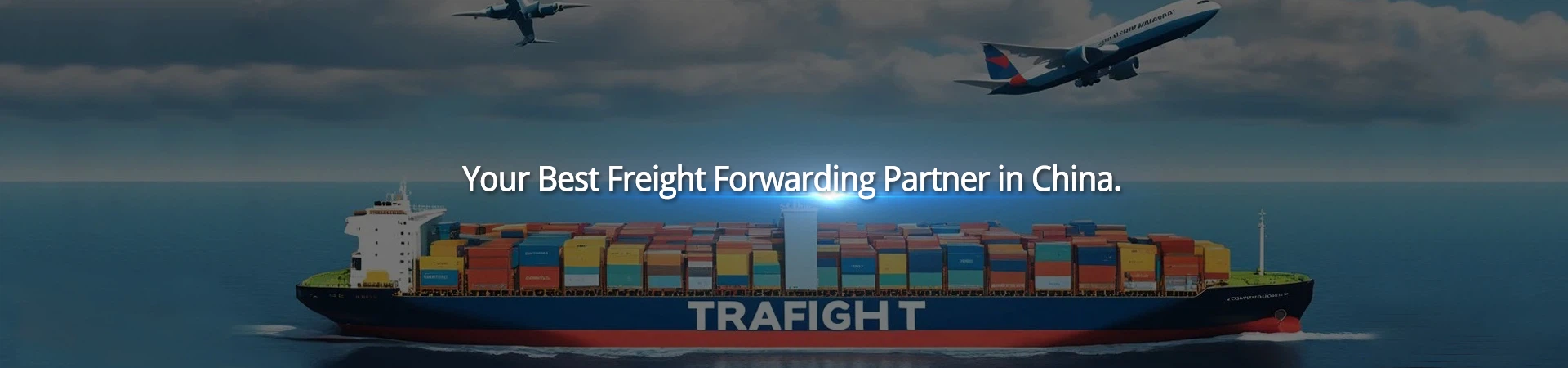
In the freight and logistics industry, freight forwarders play a crucial role. They are primarily responsible for coordinating and managing the transportation process, providing clients with transportation plans, document handling, customs clearance, and other related services. Freight forwarding companies can be divided into two basic types based on their business models and service scope: International Freight Forwarders and Domestic Freight Forwarders.
1. International Freight Forwarders
As the name suggests, international freight forwarders focus on international transportation and cross-border logistics coordination. These companies typically handle the movement of goods between countries, including sea freight, air freight, rail transport, and other methods. Their key services include:
Cross-border transport planning: Developing the most suitable transportation routes and methods based on client needs, selecting appropriate carriers, and transportation tools.
Customs clearance: Assisting clients with customs procedures to ensure smooth import and export of goods.
Multimodal transport services: International freight forwarders usually integrate different transportation methods, such as air, sea, rail, and road transport, to provide comprehensive logistics solutions.
The advantage of international freight forwarders lies in their expertise in cross-border transportation, global network resources, and ability to handle complex international regulations and paperwork. For cross-border e-commerce, export businesses, and companies involved in international trade, international freight forwarders are indispensable partners.
2. Domestic Freight Forwarders
In contrast to international freight forwarders, domestic freight forwarders focus on the movement of goods within a single country. They generally handle transport methods such as road transport, rail, and air freight. The services provided by domestic freight forwarders are typically more simplified and concentrated on domestic logistics. Key services include:
Domestic transportation arrangements: Organizing the origin, transport, and delivery of goods to the destination. Domestic freight forwarders often choose the most suitable transportation tools, such as trucks, trains, or planes, to improve transportation efficiency.
Warehousing and distribution services: Offering storage, distribution, and transshipment services to ensure timely delivery of goods to the designated location.
Cargo insurance and risk management: Providing necessary insurance for goods to minimize potential risks during transit.
Domestic freight forwarders excel in their deep knowledge of local transportation networks, timeliness, and flexibility. For businesses that need to manage logistics within the country, domestic freight forwarders offer efficient and adaptable solutions.
Conclusion
Whether international or domestic, freight forwarders play an essential role in modern logistics systems. International freight forwarders help clients resolve cross-border transportation challenges through global networks, while domestic freight forwarders ensure the smooth movement of goods within a country. Choosing the right type of freight forwarder can significantly enhance a business's logistics efficiency and control over transportation costs. Therefore, understanding the types and services of freight forwarders is crucial knowledge for any company engaged in logistics, trade, or e-commerce.
