Part 1: Why Ocean Freight Forwarding Services Are Crucial for Global Trade
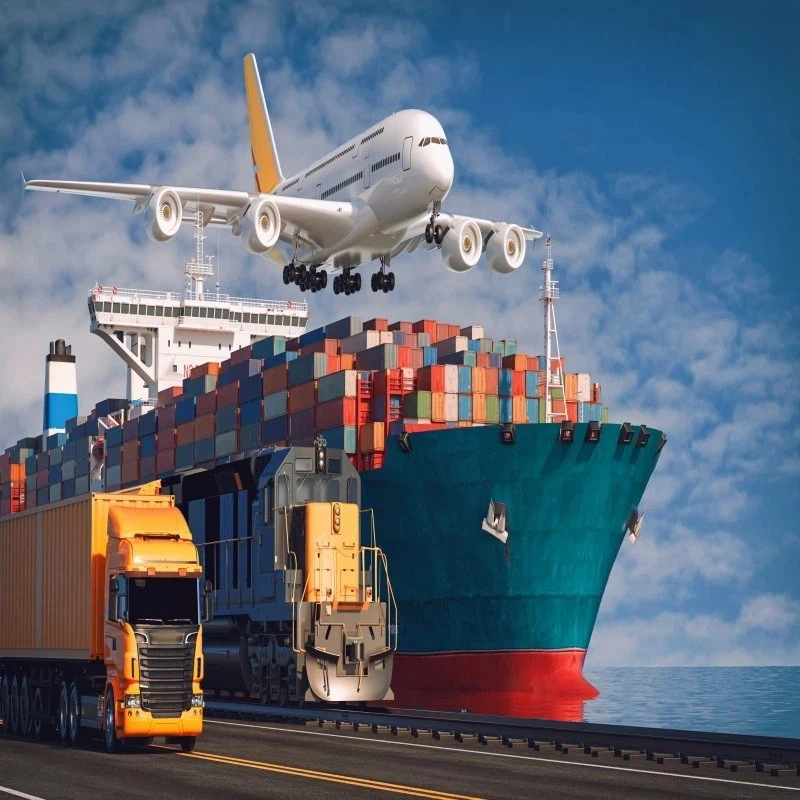
In the context of increasing globalization, international trade has witnessed exponential growth, driving unprecedented demand for cross-border logistics solutions. Ocean freight forwarding services have emerged as a critical component in the global supply chain, serving as an indispensable operational element for enterprises ranging from SMEs to multinational corporations. The complexity of ocean freight operations, characterized by multiple procedural stages and regulatory requirements, presents significant challenges for inexperienced businesses. Self-handling 6 of these processes often leads to operational inefficiencies, resource intensiveness, and increased risk of compliance errors. Consequently, professional ocean freight forwarding services have become essential for ensuring streamlined and compliant international trade operations.
1. Providing Global Connectivity and Supporting International Trade
Ocean freight is one of the most important modes of cargo transportation globally, accounting for about 80% of the total global cargo volume. For multinational companies, ocean freight is not only a reliable shipping route but also a bridge to entering international markets. By working closely with global ports, freight forwarders enable businesses to efficiently and safely transport goods to destinations worldwide.
2. Reducing Transportation Costs
Compared to air and land transportation, ocean freight offers substantially higher cost efficiency, especially for bulk and heavy cargo. By utilizing ocean freight forwarding services, businesses can optimize shipping routes and schedules, minimize delays and additional expenses, thereby reducing overall logistics costs. Freight forwarders maintain stable, long-term relationships with shipping companies, ports, customs authorities, and other relevant entities, enabling them to secure preferential rates and streamlined services for their clients. Leveraging their professional expertise and global networks, freight forwarding providers deliver customized, cost-effective shipping solutions that meet specific client requirements.
3. Ensuring Cargo Safety and Compliance
International ocean shipping is a complex process involving multiple jurisdictions, each governed by distinct legal frameworks, regulatory requirements, customs protocols, and trade compliance standards. Professional ocean freight forwarders provide comprehensive compliance consulting services to ensure cargo adherence to destination countries' regulatory mandates, thereby preventing potential shipment delays or financial penalties resulting from non-compliance. Furthermore, the maritime transportation process is subject to various operational risks, including cargo damage, loss, or delivery delays. Established freight forwarders maintain robust risk management systems and leverage extensive industry expertise to mitigate these risks, ensuring secure and efficient cargo transportation across global supply chains.