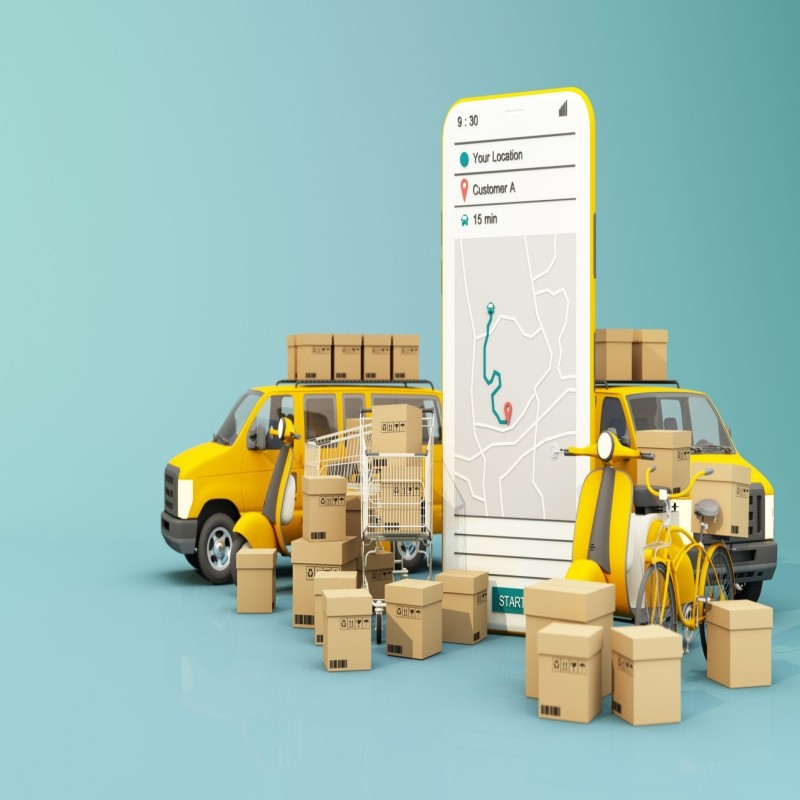
You've spent months sourcing the perfect appliances from overseas suppliers. You've negotiated great prices, arranged ocean freight, cleared customs, and now your products are sitting in a distribution center just outside the city. Easy part's done, right?
Not even close. The hardest-and most important-part is still ahead.
That last leg of the journey, from the local hub to your customer's kitchen, living room, or laundry room, is what the logistics industry calls final mile delivery. And if you're in the appliance business, it's the moment where everything you've built either pays off or falls apart.
What Exactly Is Final Mile Delivery?
Let's keep it simple. Final mile delivery-sometimes called last mile delivery-is the final stage of the logistics process, where goods move from a local distribution center or transportation hub to their ultimate destination. That could be a customer's home, a retail store, or a commercial facility.
It sounds straightforward. But here's the thing: although it represents the shortest physical distance in the supply chain, it's often the most complex, resource-intensive, and customer-facing step.
Why? Because this is where drivers deal with real-world chaos: narrow residential streets, limited parking, apartment building access codes, elevator restrictions, and customers who expect a precise delivery window (and get frustrated when you miss it). Final mile delivery now accounts for roughly 53% of total shipping costs, up from 41% in 2018-making it one of the largest and fastest-growing cost centers in the entire supply chain.
And for big-and-bulky items like appliances? It's even harder. Globally, big-and-bulky deliveries are among the most expensive and operationally complex segments of the last mile, demanding specialized handling, two-person crews, installation expertise, and precise scheduling.
Why Final Mile Appliance Delivery Is a Different Beast
If you're shipping phones or clothing, final mile delivery is relatively simple. Drop the package at the door, snap a photo, move on.
Appliances? Not a chance.
A refrigerator weighs 300 pounds. A washing machine needs to be connected to water lines. A wall-mounted TV requires precise installation at the right height. And a customer who just spent $2,000 on a new appliance isn't going to be happy if you leave it on the curb-or worse, if your crew scratches the hardwood floor getting it through the doorway.
This is why Forward Final Mile Appliance Delivery services have become a critical differentiator for retailers and manufacturers. It's not just about getting the product to the address. It's about ensuring the right vehicle, crew, equipment, access plan, time window, and service level are all aligned before dispatch.
The two-person crew decision, for example, isn't as simple as "if it's heavy, send two people." The same refrigerator might require two people for a residential delivery through a narrow doorway, but only one for a commercial loading dock drop-off. Crew requirements depend on product dimensions, building access reality, customer history, driver capability, and service commitments-all interacting simultaneously.
The White-Glove Difference
This is where white-glove service comes in. And if you're importing appliances from China to the US, Canada, or the UK, it's something you need to understand.