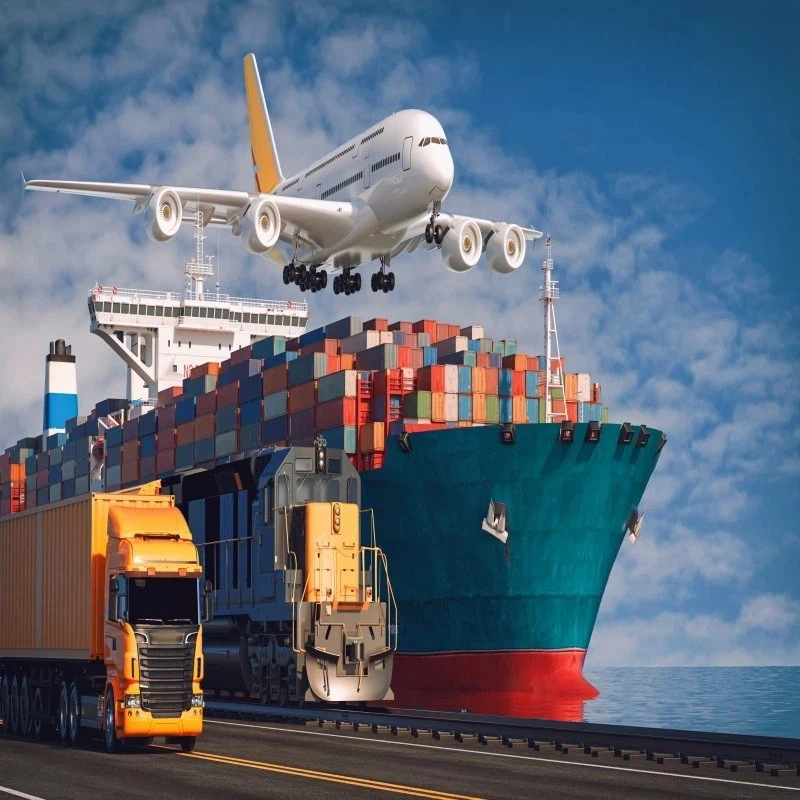
The global third-party logistics (3PL) market is on a trajectory that's hard to ignore. Recent projections indicate it's poised to surge past the $4 trillion mark by 2034, growing at a compound annual growth rate (CAGR) of over 10%. This isn't just industry hype; it's a fundamental shift in how global commerce operates. From the explosive, sustained growth of e-commerce to the complex web of globalized supply chains, businesses are increasingly realizing that logistics is a strategic function, not just a cost center.
This massive expansion represents more than just a number-it signifies a pivotal moment for businesses to evaluate their logistics strategies. Will you build and manage everything in-house, or partner with experts to navigate this complex, technology-driven landscape? The data suggests a clear trend: outsourcing to agile, tech-enabled 3PL partners is becoming the standard for companies that want to scale efficiently, reduce costs, and meet skyrocketing customer expectations.
The Engine Behind the Growth: More Than Just E-commerce
So, what's fueling this trillion-dollar growth? While the relentless rise of online shopping is a primary driver, the story is more nuanced. The 3PL market's expansion is being powered by a convergence of powerful, interconnected forces.
- The E-commerce Standard: The pandemic may have accelerated the shift, but consumers have permanently embraced online retail. This has reset delivery expectations, with nearly half of all shippers reporting that consumers now expect delivery in less than two days. Meeting this demand requires a network of fulfillment centers, advanced inventory systems, and last-mile delivery solutions that are often most efficiently operated by specialized 3PLs.
- The Technology Imperative: Logistics has gone digital. Artificial Intelligence (AI) for route optimization and demand forecasting, the Internet of Things (IoT) for real-time tracking, and warehouse robotics are no longer futuristic concepts-they are operational necessities. This tech shift is a major growth driver, and it's also reshaping how companies choose their partners. Notably, 74% of shippers indicate they would switch 3PL providers based on the strength of their AI capabilities.
- The Strategic Shift to Core Competencies: Companies are focusing inward on innovation, product development, and customer service. Outsourcing complex logistics functions-from international freight forwarding and customs clearance to dedicated warehouse management-allows them to leverage external expertise and scalable infrastructure without massive capital investment.
- The Demand for Resilience and Sustainability: Recent global disruptions have made supply chain resilience a top boardroom priority. Businesses need partners that offer diversified networks and can adapt quickly to volatility. Simultaneously, pressure from consumers and regulators is pushing a green transition. Companies are now seeking 3PLs that provide sustainable options, like electric vehicle fleets, optimized routes to reduce emissions, and eco-friendly packaging.
Key Market Segments Driving Value
The growth is widespread, but particularly strong in specific service areas and regions:
|
Segment |
Projected Growth & Leadership |
Primary Driver |
|
Service Type |
Domestic Transportation Management (DTM) leads the market, while Warehousing & Distribution grows with e-commerce. |
Need for optimized, visible, and scalable domestic freight and fulfillment networks. |
|
Transport Mode |
Road transport dominates for flexibility, but sea freight holds over 35% share for global trade. |
Cost-effective movement of high-volume goods internationally and last-mile delivery domestically. |
|
End-User Industry |
The retail sector is the largest segment, with manufacturing and automotive being key growth areas. |
Omnichannel retail demands and complex, time-sensitive parts distribution. |
|
Regional Growth |
Asia-Pacific is the fastest-growing region, while North America remains a large, mature market. |
E-commerce boom in emerging economies and advanced tech adoption in established ones. |
Partnering for the Future: How XME Logistics Bridges the Gap
Understanding these macro-trends is one thing; building a logistics operation that addresses them all is another. This is where the value of a forward-thinking partner becomes critical. At XME Logistics, we don't just react to these trends-we've built our services to help you master them.
- Turning Data into Decisions: In an era where 61% of shippers believe better change management is needed for visibility and technology, static reports aren't enough. We integrate advanced AI and analytics directly into your supply chain. Our platforms provide predictive insights for inventory management, dynamic routing to combat rising fuel costs, and real-time visibility that gives you control, even when operations are outsourced.
- Building a Network, Not Just a Pathway: The shift from purely global to more regionalized ("nearshored") supply chains is a reality, with over 70% of shippers considering such moves for agility. Our strength lies in our flexible and strategic global network. Whether you need cross-border expertise in North America, supported by strong USMCA trade corridors, or want to tap into the booming e-commerce markets in Asia-Pacific, we provide the local knowledge and infrastructure to make your network resilient and responsive.
- Engineering Resilience from the Ground Up: Facing "a great deal of unpredictability" is the new normal. We design customized and agile solutions that account for this volatility. From dedicated contract carriage (DCC) for complete control over your fleet to scalable warehousing and distribution that flexes with your demand peaks, we ensure your supply chain is a competitive asset, not a vulnerability.
- Delivering on a Green Promise: Sustainability is a operational and ethical mandate. We help you reduce your carbon footprint through optimized transportation modes, including strategic use of rail and sea freight, and by implementing sustainable practices within our warehouse and distribution services. This commitment not only meets regulatory demands but also aligns your brand with the values of modern consumers.
Navigating Toward 2034
The journey to a $4 trillion market will be defined by partnerships. The businesses that will thrive are those that pair their core strengths with a logistics partner that provides technological sophistication, strategic network design, and operational resilience.
The question is no longer if you should optimize your supply chain, but how and with whom. As the industry evolves at a breakneck pace, relying on legacy systems or fragmented solutions introduces immense risk. The opportunity for growth, efficiency, and enhanced customer satisfaction is massive, but it requires a strategic, partnered approach.
Is your current logistics framework built for the next decade, or is it holding you back from the $4 trillion opportunity? Explore how a modern partnership can transform your supply chain from a cost center into a engine for growth.
Ready to build a future-ready supply chain? Contact XME Logistics today for a personalized consultation.