In the high-stakes game of Trump's tariff wars, American retailers aren't just surviving - they're evolving with genius-level strategies that rewrite the e-commerce playbook.
The numbers are staggering: 76% of U.S. online sellers have already raised prices in response to tariff pressures, according to recent data from Signifyd. Yet behind this headline figure lies a more complex story of adaptation, as retailers large and small undertake what can only be described as a genius evolution in their supply chain strategies.
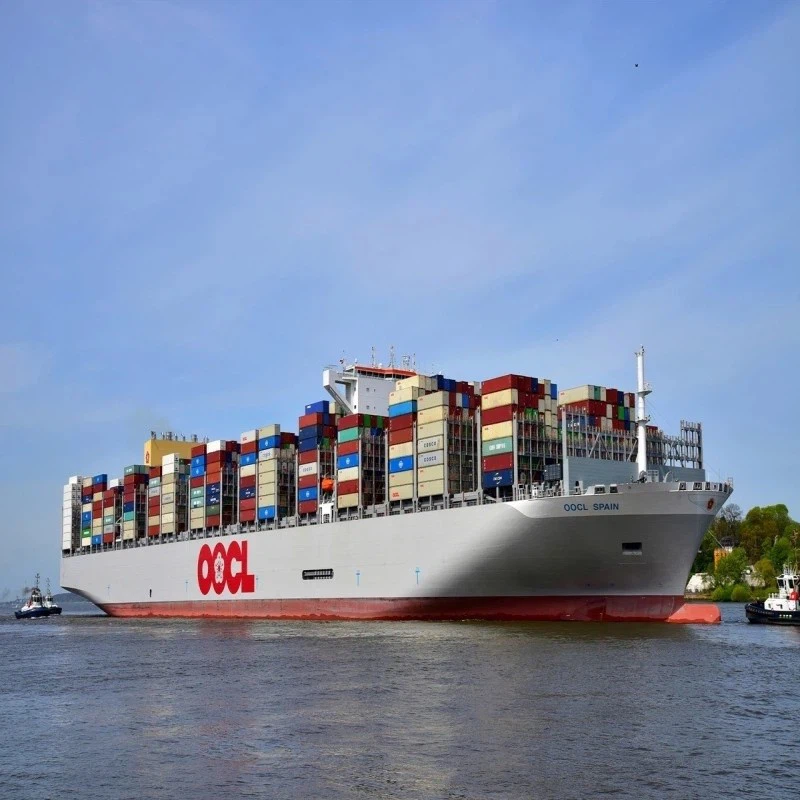
Faced with tariffs that have pushed average import taxes from around 2% to an estimated 17%, American retailers are making strategic pivots that are as innovative as they are necessary - with a significant shift toward ocean freight at the heart of this transformation.
The New Pricing Reality: Sharing the Burden
The initial tariff response shocked many retailers. Walmart saw its first quarter profits plummet by over 12%, creating pressure to adjust pricing strategies. The retail giant's initial approach - absorbing tariff costs - proved unsustainable, leading to price increases on everything from toys to office supplies, with some products seeing jumps of over 100%.
This pattern repeated across the industry. Goldman Sachs analysis reveals that U.S. consumers are currently bearing 55% of tariff costs, a figure expected to rise to 70% by the end of 2026. The harsh reality? There are no free passes in the tariff game.
The Ocean Freight Pivot: Strategic Shifts in Action
As retailers grappled with this new landscape, strategic shifts emerged:
- Extended delivery timelines: 76% of online sellers have extended their delivery timelines to adapt to new logistics arrangements
- Proactive inventory stocking: Companies like Amazon significantly increased inventory levels in anticipation of tariff changes
- Supplier diversification: 71% of sellers have shifted suppliers from high-tariff to lower-tariff countries
The port of Los Angeles saw record volumes in July as retailers rushed to stock up before anticipated tariff implementations. This "front-loading" strategy allowed retailers to use existing inventory as a buffer against future cost increases.
Smarter Inventory Management: The Untold Advantage
Beyond simply shifting transportation modes, leading retailers are deploying sophisticated inventory strategies that maximize their ocean freight advantages:
Walmart has achieved 60% automation penetration in its distribution network, allowing for more efficient management of higher inventory levels. Dick's Sporting Goods took a different approach - carrying 18% more inventory not just for tariff protection, but as a strategic buffer that's unexpectedly positioned them for stronger margins.
The most innovative strategies come from retailers like BJ Wholesale Club, whose limited SKU count and "treasure hunt merchandise approach" provide inherent flexibility in navigating tariff challenges.
Beyond the Big Box: How Smaller Players Are Adapting
The adaptation extends beyond retail giants to smaller online sellers:
- Reduced promotions: 75% have cut back on discounts and promotions to control costs
- Local inventory substitution: 72% are using U.S. based inventory to replace products that would face tariffs
- Selective price increases: The average seller is passing through approximately 51% of import tax costs to consumers
The Consumer Response: Value and Transparency as Drivers
As prices rise, consumer behavior is shifting dramatically. Recent research shows that 60% of consumers now describe themselves as cautious, pessimistic, or panicked about the economy. This cautious mindset has made transparency and value key differentiators:
- 51% of consumers say clear communication about price increases actually boosts brand loyalty
- Nearly half are hunting for deals more frequently
- 38% are visiting brand websites directly to compare prices
Perhaps most tellingly, half of all U.S. consumers now use AI tools to find better deals, signaling a fundamental shift in how shopping decisions are being made.
The Road Ahead: Long-term Structural Changes
What many are calling a temporary adjustment is increasingly looking like a permanent transformation. The supply chain diversification that began as a tariff response is now taking on its own momentum:
Retailers are accelerating production shifts from China to Vietnam, India, and Mexico. Some, like Primark, have gone so far as to pause U.S. store expansion until tariff policies stabilize.
The recent end of the $800 de minimis exemption for low-value imports on August 29, 2025 has further complicated the landscape, affecting up to 4 million packages daily and removing what had been a critical channel for small and medium-sized retailers.
The Silver Lining: Efficiency Gains and New Opportunities
The genius of this retail evolution lies not just in problem avoidance, but in value creation. The forced optimization of supply chains has uncovered hidden efficiencies:
The same tariff pressures that pushed retailers toward ocean shipping have also driven adoption of technologies like "item-level visibility" and "centralized purchase order management" that help avoid over-ordering and optimize inventory placement.
Retailers are now implementing "shuttle services between distribution nodes and service points on the same route" to reduce transportation costs - strategies that will continue paying dividends long after current tariff debates fade.
Preparing for the Future: A Guide for Retailers
As we look toward the remainder of 2025 and beyond, successful retailers will focus on:
- Scenario planning: Conducting simulations across various tariff scenarios to clarify business priorities
- Channel collaboration: Establishing transparent communication mechanisms with U.S. retail channels
- Market diversification: Expanding non-U.S. retail partnerships to spread cross-border trade risk
- Profitability management: Developing price elasticity analysis and item-level profit models
The retailers who will thrive in this new environment aren't just those who avoid costs, but those who use this moment as an opportunity to build more resilient, efficient, and consumer-responsive operations.
Conclusion: Evolution in Action
The American retail sector's shift toward ocean freight and strategic supply chain management in response to tariff pressures represents more than simple adaptation - it's a fundamental evolution in how retailers approach their most basic operations.
Those who master this new landscape will do more than survive tariff wars; they'll build businesses that are smarter, more efficient, and better equipped for whatever challenges the global market throws at them next.
The genius of this evolution lies not in any single tactic, but in the comprehensive reimagining of what it means to be a retailer in an increasingly complex global marketplace. The switch to ocean freight is just the beginning.
Ready to optimize your supply chain for this new retail landscape? [Contact Xmae Logistics today] for a customized logistics assessment that turns tariff challenges into competitive advantages.