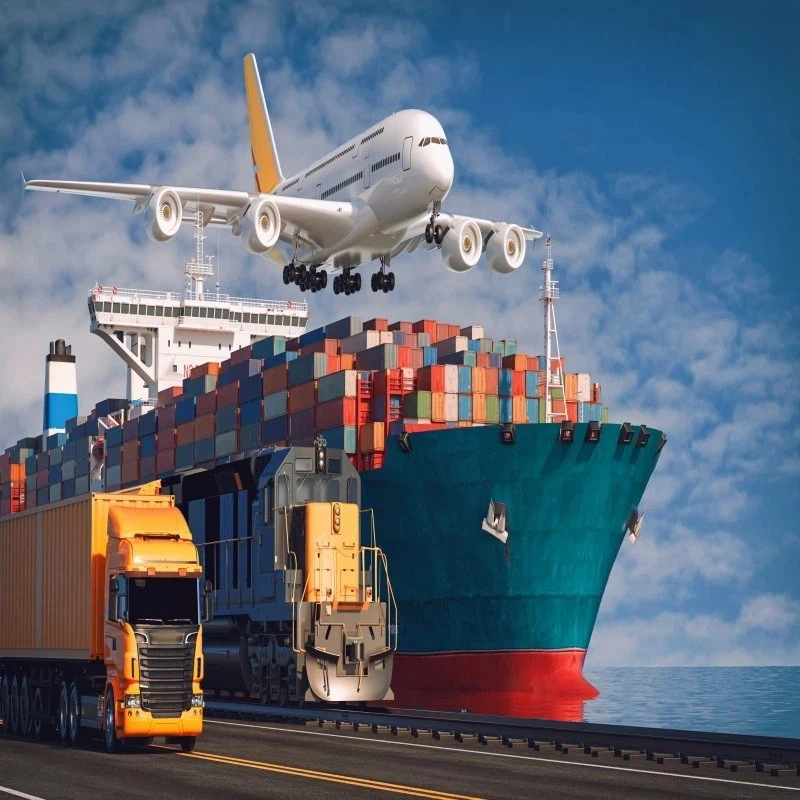
A quiet revolution is underway in global trade corridors, with African airlines posting a 16.6% year-on-year surge in cargo demand as capacity expands by 20%.
A fundamental shift is occurring in global trade patterns. While traditional corridors experience fluctuations, the Africa trade lane is witnessing unprecedented growth. Between January and November 2025 alone, China-Africa trade soared to over $314 billion, surpassing the previous year's total and marking a 17.8% year-on-year increase.
This surge isn't just about numbers-it represents a structural change in how goods move across continents, with air cargo playing an increasingly vital role in connecting emerging African markets with global supply chains.
The Numbers Behind Africa's Ascent
Recent data reveals that Africa isn't merely participating in global trade; it's leading its transformation. According to the International Air Transport Association (IATA), African carriers recorded the strongest growth of any region in October 2025, with air cargo demand skyrocketing 16.6% compared to the same period last year.
This remarkable expansion comes as global air cargo markets grew by just 4.1% during the same period.
The capacity response has been equally impressive, with African airlines increasing available cargo space by 20%. This expansion reflects carriers' confidence in sustained growth and their commitment to facilitating trade flows that increasingly bypass traditional routes experiencing geopolitical and tariff pressures.
Specific trade lanes tell an even more compelling story. The Africa-Asia corridor expanded by 10.9% in October, marking four consecutive months of growth. This corridor has become particularly vital as companies diversify supply chains away from concentrated manufacturing bases, seeking both new production locations and emerging consumer markets.
Drivers of the African Logistics Revolution
Several interconnected factors are fueling Africa's logistics transformation:
- Infrastructure Development: Across the continent, strategic investments are reshaping trade capabilities. From Kenya's expanded Mombasa Port to Nigeria's Lekki Deep Sea Port and Morocco's Tangier Med, new gateways are reducing transit times and costs while improving reliability.
- Manufacturing Shift: As production costs rise in traditional Asian manufacturing hubs, companies are looking toward Africa's young workforce and improving infrastructure. The continent is evolving from merely a source of raw materials to a competitive manufacturing base with direct access to growing regional markets.
- Digital Innovation: Africa's logistics sector has attracted $1.8 billion in startup funding over five years, fueling digital platforms that streamline customs clearance, cargo tracking, and freight management. This technological leap is helping overcome historical barriers to efficient cross-border trade.
- Policy Advancements: The African Continental Free Trade Area (AfCFTA) represents perhaps the most significant catalyst, creating a single market that could boost intra-African trade by over 50% in the coming decade.
Navigating the Capacity Crunch
Despite expanding capacity, the rapid growth in Africa trade volumes has created operational challenges, particularly during peak seasons. The traditional fourth-quarter shipping surge has placed unprecedented pressure on available space, with carriers carefully managing networks to maintain schedule reliability.
For businesses shipping to or from Africa, this environment demands strategic planning. Key considerations include:
- Extended Booking Timelines: Securing capacity now requires earlier planning, especially for time-sensitive shipments.
- Dynamic Routing Options: Flexible logistics partners can identify alternative pathways when primary corridors face congestion.
- Integrated Solutions: Combining air freight with strategic warehousing or regional distribution can optimize both cost and reliability.
The growing demand has particularly highlighted the importance of specialized handling for pharmaceuticals, perishable goods, and high-value electronics-categories that represent increasingly significant portions of Africa-bound and Africa-originating cargo.
XMAE Logistics: Your Partner in Africa's Growth Story
Navigating Africa's logistics landscape requires more than just booking capacity-it demands local expertise, strategic partnerships, and adaptive solutions. This is where XMAE Logistics delivers distinct value in facilitating Africa trade.
Deep Regional Knowledge
Our teams possess granular understanding of port operations, customs procedures, and transportation networks across key African markets. We don't just move containers; we navigate the complex regulatory environments and infrastructure variations that characterize different African economies. This expertise becomes particularly valuable when unexpected challenges arise, from port congestion to regulatory changes.
Network Optimization
Through our established partnerships with carriers expanding their Africa services, we provide clients with priority access to capacity even during peak periods. We continuously analyze route performance data to identify the most efficient pathways, balancing transit time against cost considerations specific to Africa-bound shipments.
Technology-Enabled Visibility
We've invested in tracking and management systems that provide real-time visibility throughout the Africa shipping journey. This transparency is especially valuable in markets where traditional tracking has been inconsistent, allowing our clients to make informed decisions and keep their supply chains flowing smoothly.
Specialized Handling Capabilities
Recognizing the unique requirements of different commodity types moving through African gateways, we've developed specialized protocols for perishables, pharmaceuticals, and high-value goods. From temperature-controlled transport to secure handling procedures, we ensure that sensitive shipments maintain their integrity throughout the journey.
The Road Ahead for Africa Trade
The trajectory is clear: Africa's role in global trade will continue to expand. The continent is transitioning from being primarily an origin point for raw materials to becoming both a manufacturing hub and a substantial consumer market. This dual evolution will sustain demand for logistics capacity across multiple modes-air, ocean, and overland.
Carriers will continue adjusting their networks to capture this growth, but the most successful shippers will be those who partner with logistics providers offering more than just transactional freight services. The complexity of African trade demands strategic guidance, local intelligence, and operational flexibility-the very capabilities that define our approach at XMAE Logistics.
As trade lanes evolve and new corridors emerge, the ability to adapt while maintaining reliability will separate market leaders from followers. Africa's logistics boom presents remarkable opportunities tempered by operational challenges-a landscape where experienced guidance delivers tangible competitive advantage.
Navigating Africa's dynamic trade environment requires a partner who understands both the macro trends and the local realities. At XMAE Logistics, we combine global reach with specialized Africa expertise to help businesses capitalize on the continent's growth. See how we can partner with you to optimize your Africa supply chain.