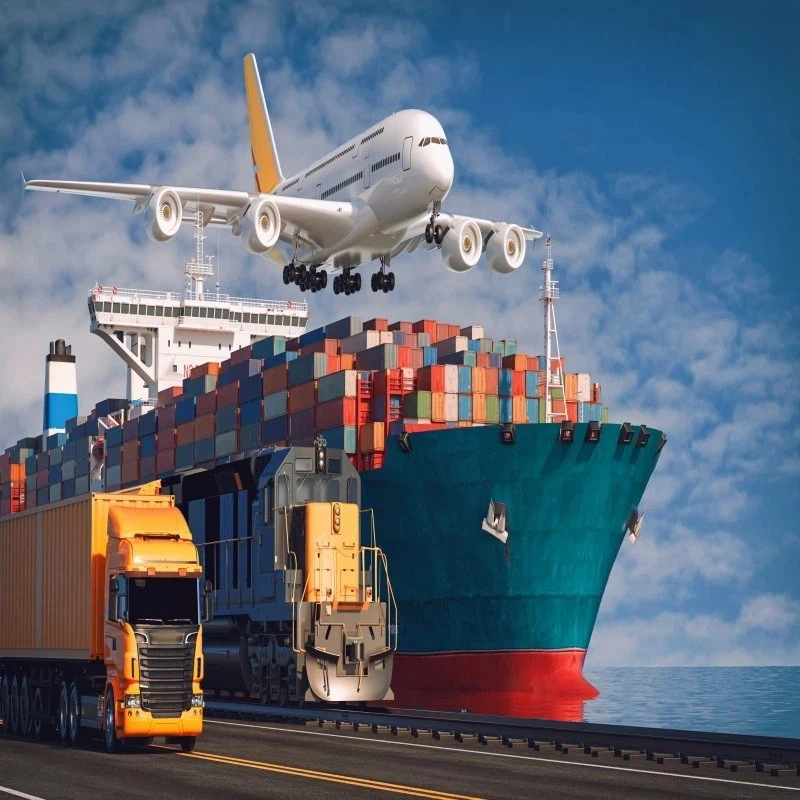
The logistics landscape across the Gulf is shifting-fast. With traditional maritime routes through the Strait of Hormuz under mounting pressure, regional trade is undergoing a forced but necessary transformation. What started as a temporary workaround is now becoming the new normal: cargo that used to sail straight into Gulf ports is being offloaded at alternative hubs like Fujairah, Khorfakkan, Sohar, and Salalah, then moving inland by road and rail.
For hauliers, this isn't just a disruption-it's the opportunity of a decade. The question is whether they're ready to seize it.
The New Trade Corridor Is Already Moving
Let's talk numbers. In March alone, one UAE-based trucking platform saw its road shipments jump 30% compared to the previous month, deploying over 500 trucks just for land-bridge operations in the early days of the conflict. Some of the world's largest container carriers have started offering trucking services, and local road haulers are reporting a surge in demand that shows no sign of slowing down.
But here's where things get tricky. Spot rates for trucking in the region have skyrocketed-up 120% in the UAE and 70% in Saudi Arabia-driven by higher fuel costs, tighter capacity, and the shift toward longer hauls. Ports like Khorfakkan have handled six times the container volume they did just a month ago, and vessels are queuing up to offload.
In plain English: there's plenty of cargo to move, but the system is creaking under the strain. Hauliers who step up now-with the right capacity, the right technology, and the right partnerships-stand to lock in long-term contracts and become indispensable players in this emerging logistics network.
Why Hauliers Can't Afford to Sit This One Out
The shift isn't temporary. According to a recent report from UK-based maritime analysis firm Windward, what began as an emergency rerouting is moving toward normalized operations. Even if regional tensions ease, the logistics architecture now taking shape-built around land bridges and alternative ports-is likely to retain significant inertia.
That means the window for hauliers to position themselves is now. Those who wait risk being left behind as new supply chains solidify and preferred carriers get locked in.
The demand is across the board: petrochemicals, metals, consumer goods, food products. Trukker's CEO noted that only retail and e-commerce shipments have dipped-everything else is still moving, often in greater volumes than before. Cross-border routes from the UAE to Saudi Arabia, and east-to-west across Saudi Arabia itself, have become the busiest corridors in the region.
But demand alone isn't enough. Hauliers need to operate with precision. With vessels stacking up at alternative ports and dwell times being closely monitored, efficiency on the road has never been more critical. Delays at one link in the chain create bottlenecks that ripple across the entire network.
Where XMAE Logistics Comes In
This is where a partner like XMAE Logistics makes all the difference. For hauliers looking to expand their regional footprint-or for freight forwarders needing to coordinate complex multimodal moves-having a reliable partner on the China-to-Gulf leg is non-negotiable.
XMAE Logistics brings over ten years of freight forwarding experience, backed by a network of more than 100 overseas agents and full government licensing with IATA, FIATA, FMC, and NVOCC approvals. That means when cargo leaves a Chinese port-whether by sea, air, or rail-it's in the hands of a team that knows exactly how to get it to Gulf entry points on time and without hiccups.
But what hauliers and freight partners value most is the visibility. XMAE offers end-to-end shipment tracking that lets everyone in the chain-from the shipper to the truck driver waiting at the port-know exactly where cargo is and when it will arrive. In a fast-moving environment where ports are handling six times their normal container volumes, that kind of transparency isn't a luxury. It's survival.
The company also specializes in door-to-door sea freight, handling everything from pickup and customs clearance to final delivery. For hauliers coordinating inland moves from Gulf ports, this means the handoff is seamless. No last-minute surprises, no customs delays that leave trucks idling at border crossings.
What Smart Hauliers Are Doing Right Now
The ones who are winning in this new environment share a few common traits. First, they're building relationships with freight forwarders who have established Asia–Gulf lanes-because consistent inbound cargo means predictable schedules and better asset utilization. Second, they're investing in technology that gives them real-time visibility across their fleet, from fuel usage to estimated arrival times. Third, they're thinking beyond point-to-point moves and positioning themselves as integrated partners in the broader multimodal corridor.
Saudi Arabia alone has a land transport system supported by 18,500 licensed companies, serving as a vital link between ports, airports, industrial cities, and logistics zones. The competition is real, but the opportunity is bigger. The new Gulf trade corridor is still being built, and hauliers who step up now have a chance to shape it-not just react to it.
The Bottom Line
The old routes aren't coming back the way they were. Maritime disruption has fundamentally altered the calculus of Gulf trade, pushing cargo overland in volumes that would have seemed unthinkable a year ago. For hauliers, this is the moment to move from being a commodity service provider to becoming a strategic logistics partner.
And for those who need a reliable connection on the other end of the chain-moving goods from China to Gulf ports with precision, transparency, and accountability-XMAE Logistics is ready to help. Because in a logistics landscape that's changing by the week, the right partner makes all the difference between scrambling to keep up and leading the way forward.