The numbers are stark. Global data centre electricity consumption is forecast to hit 565 terawatt-hours in 2026 – a 26% jump from last year, according to new research from Gartner. By 2030, that figure is expected to surpass 1,200TWh, roughly equivalent to the annual power demand of Japan.
What's driving this surge? In short: AI. AI-optimised servers alone are projected to account for 31% of total data centre power consumption this year, up from roughly 20% in 2025. Their electricity consumption climbed by more than 83% last year and is forecast to grow another 84% in 2026. By 2027, these power-hungry machines will consume more electricity than conventional servers.
And here's the kicker – it's not just about the servers themselves. Cooling systems, required to keep all that hardware from melting down, are expected to see a 22.6% jump in electricity consumption this year, reaching 195TWh.
Power Constraints Are Biting Hard
The industry is starting to hit a wall. Gartner analysts have made it plain: "Surging demand for compute-intensive AI workloads is driving unprecedented data centre power growth, while AI capacity is now constrained by power availability". Translation? Building data centres is one thing – keeping them running is another.
Grid infrastructure simply isn't keeping up. In established hubs like Northern Virginia, Chicago, London, and Frankfurt, power availability and grid constraints are already impacting development timelines and site selection. Developers are scrambling. According to one industry survey, 61% of data centre developers are now planning to bring their own power if the grid can't deliver.
Some operators are even fronting utilities hundreds of millions of dollars just to secure a place in line for dedicated generation equipment. The message is clear: power is no longer an afterthought – it's the bottleneck.
What Does This Mean for Supply Chains?
For businesses that rely on data centre infrastructure – whether you're shipping servers, cooling equipment, backup generators, or specialised components – the ripple effects are real. Power constraints are delaying data centre construction, which in turn disrupts equipment delivery schedules, creates uncertainty around project timelines, and puts pressure on logistics providers to move faster and more flexibly.
Delays in one part of the world can cascade through global supply chains. A stalled data centre project in Northern Virginia might mean containers of equipment sitting idle at port, warehousing costs piling up, and shipment reroutes that eat into margins.
That's Where Experience Matters
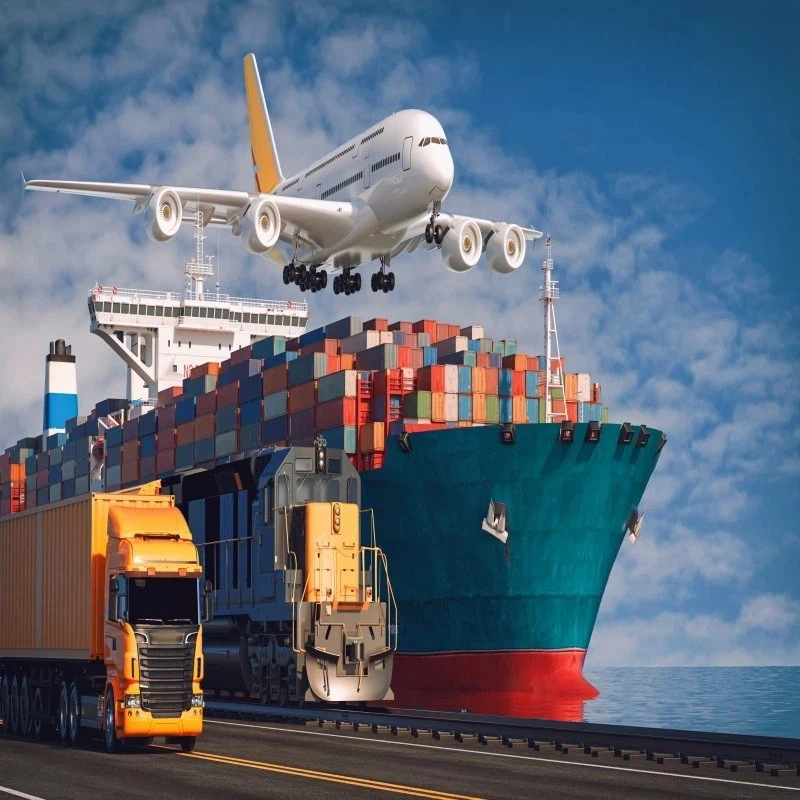
This is precisely the kind of environment where a logistics partner with deep experience and a truly global network becomes indispensable. Xiamen AE Global – a government-licensed, IATA, FIATA, FMC, and NVOCC-approved freight forwarder – has been navigating complex supply chains since 2018. With a network of over 100 overseas agents worldwide, the company handles everything from airfreight and ocean freight to customs clearance, warehousing, and project cargo shipments.
What sets Xiamen AE Global apart isn't just the breadth of services – it's the depth of experience. Backed by more than ten years in the freight forwarding and logistics industry, the team understands that when timelines tighten and supply chains get complicated, proactive communication and real problem-solving make all the difference.
Whether you need to rush high-value data centre components by air, move heavy equipment by sea, or coordinate door-to-door delivery with customs clearance built in, Xiamen AE Global offers competitive rates and the flexibility to adapt when plans change. The company's commitment to professionalism, honesty, and sincerity isn't just marketing speak – it's the operating philosophy that keeps shipments moving when others get stuck.
The Bottom Line
The data centre power crunch isn't going away anytime soon. Gartner projects worldwide data centre power demand will reach 132 gigawatts in 2026 and 290GW by 2030. That means more infrastructure, more equipment, and more pressure on already stretched supply chains.
For businesses moving goods in and out of China – whether to the US, Europe, or emerging markets – having a logistics partner that knows the terrain, has the global reach, and can deliver under pressure isn't a luxury. It's a necessity.
Xiamen AE Global is ready to help you navigate the chaos. Because when the power goes out, the last thing you need is your supply chain going dark too.