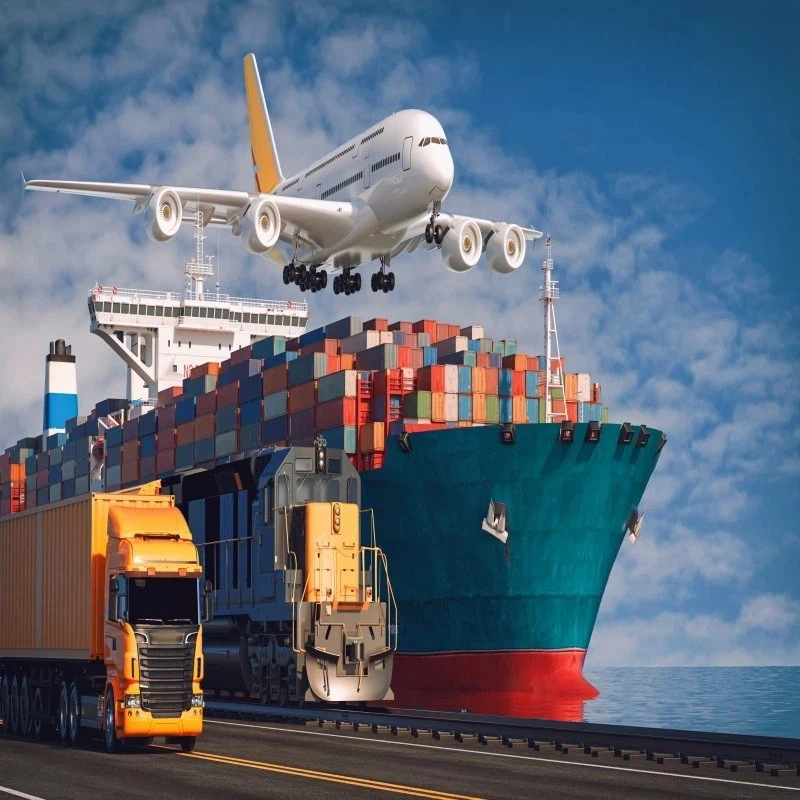
Freight Market Improvement Expected in Months Ahead, Surveys Find
After months of turbulence, the freight industry is finally seeing signals of recovery. According to new surveys from Truckstop.com and Bloomberg Intelligence, 85% of carriers and 83% of brokers anticipate steady or rising freight volumes through late 2025-despite revenue declines and tariff pressures. Here's what's driving this shift and how your supply chain can prepare.
1. Industry Surveys Reveal Cautious Optimism
Carriers and brokers are betting on a rebound even after a challenging first half of 2025. Only 16% of carriers reported year-over-year revenue growth, yet confidence in volume recovery remains high. Key drivers include:
- Seasonal demand surges from retail peak season and holiday buildups
- Capacity tightening due to prolonged carrier exits and cost pressures
- Stabilizing spot rates, which grew 6.5% YoY in Q2 (down from 9.1% in Q1 but still positive) .
As Todd Markusic of Truckstop.com notes: "While the freight market underperformed in Q2, many expect recovery within six months-even with unresolved tariff impacts." .
2. Tariffs Are Reshaping Trade Flows (Not Killing Demand)
New global tariffs triggered a 5.6% drop in 2025 U.S. import cargo projections, with volumes expected to plummet after September as holiday inventories arrive early . But this isn't just about decline-it's about supply chain agility:
- Pre-tariff surge: July imports hit 2.3 million TEU (highest in a year) as retailers rushed shipments.
- Diversification acceleration: Shippers are shifting sourcing, leveraging trade agreements, and optimizing customs workflows to offset costs .
- Small business impact: Tariffs hit SMBs hardest, forcing renegotiations or new logistics partnerships .
3. Tech and Automation = Cost Control Superpowers
Efficiency isn't optional in this market. Leaders are slashing costs through:
- Unmanned delivery: Over 6,000 autonomous vehicles in China cut last-mile costs by 35% in retail/food sectors. L4 autonomous trucks now save ~60% vs. traditional freight .
- Data-driven forecasting: Tools like RXO's Curve platform help shippers model rate volatility and capacity shifts before Q3 peaks .
- Digital trade management: AI classification, blockchain docs, and customs automation shield margins amid tariff chaos .
4. Nearshoring Opens New Regional Opportunities
As manufacturing moves closer to consumers, freight lanes are localizing:
North America: U.S.-Mexico-Canada trade jumped 8% in 2024–2025, boosting trucking, rail, and 3PL demand .
Europe and India: Emerging as resilient alternatives to Asia-linked supply chains .
Strategic hubs: Projects like Mexico's Interoceanic Corridor optimize port-rail routes, cutting transit times .
The Road Ahead: Prepare for Q3 Volatility
While optimism is rising, the rebound will be uneven. Here's your 3-month checklist:
- Lock capacity early: Spot rates will spike around peak-season buildups. Contractual coverage avoids chaos .
- Audit trade tools: Ensure compliance software handles tariff shifts (e.g., EU/China/U.S. duties) .
- Pilot automation: Test low-risk unmanned solutions for repetitive tasks (e.g., depot-to-port hauls).
- The bottom line: Uncertainty hasn't vanished-but the data shows green shoots. Carriers betting on tech, trade diversification, and regionalization will lead the recovery. As one logistics CEO told us: "The winners won't wait for perfect conditions. They'll build adaptable fleets now."