If you have been tracking the news lately, you already know that the situation in the Middle East has been anything but stable. What started as escalating tensions has now turned into something that is hitting the global logistics industry right where it hurts: the wallet.
According to a newly released assessment by the Airports Council International Asia-Pacific & Middle East (ACI APAC & MID), nine major airports across the Middle East lost somewhere between 900millionand900millionand1 billion in revenue over just two months - March and April of this year. That is not a typo. Nearly a billion dollars, gone.
The Hard Numbers That Matter
Let me break down what this actually looks like in real terms.
The nine airports affected - which handle about 70% of all air traffic across the Middle East - were operating at an average of just 53% of pre-conflict scheduled flights throughout March and April. On the first day of the conflict, operations plunged to 32%. Imagine running a business where more than two-thirds of your daily volume disappears overnight.
Passenger traffic collapsed by an estimated 27 million travelers, a 54% year-on-year drop. That is like the entire population of Texas deciding not to fly. Cargo volumes fared no better, falling 52% to just 571,000 tonnes.
And here is the kicker: the disruption removed nearly one-fifth of the world's East–West connecting capacity within hours of the conflict's onset. Roughly 97,000 daily transit passengers who normally move through Middle Eastern hubs had their plans thrown into chaos.
Why This Matters for Anyone Shipping Goods
If you are a business owner, a procurement manager, or someone who simply needs to move products from one part of the world to another, these numbers are not just headlines. They translate directly into delayed shipments, skyrocketing freight rates, and frustrated customers.
The report found that airfares on Asia–West routes more than doubled in March. For freight, the math is similar. When passenger flights get canceled, the belly cargo space that normally carries everything from electronics to pharmaceuticals disappears with them.
On top of that, jet fuel prices nearly doubled from pre-conflict levels, and carriers started imposing fuel surcharges across the board. That cost eventually trickles down to you, the shipper.
So What Can You Do?
Here is the perspective I want to share with you.
At Xiamen AE Global Logistics, we have been watching this situation unfold very closely. We are not just sitting here writing about it - we are actively helping our clients navigate around these disruptions every single day.
When air freight corridors get congested or become unreliable, the smart move is to look at alternatives. And that is exactly what we help our clients do.
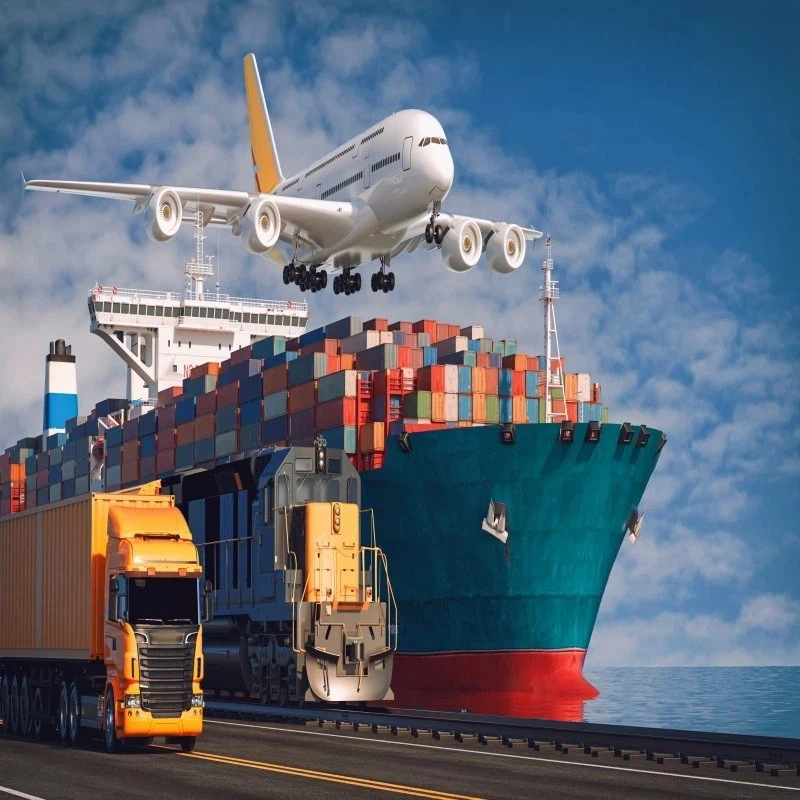
- Sea freight is stepping up. With air capacity constrained and costs climbing, ocean shipping becomes a more compelling option than ever. We have deep experience moving goods by sea from China to destinations worldwide, and our consolidated sea freight services allow you to share container space with other shippers, keeping your costs predictable even when the market gets bumpy.
- Rail freight offers a middle ground. For shipments heading to Europe and beyond, the China-Europe railway network provides a stable, reliable alternative to both air and sea. It is faster than ocean freight but not nearly as expensive as air cargo - a sweet spot that more of our clients are discovering right now.
- Door-to-door and DDP/DDU services take the headache out. When global shipping gets complicated, having someone who can handle everything - from pickup at your supplier's warehouse to final delivery at your customer's door - makes all the difference. We offer full DDU and DDP air freight services that take the guesswork out of customs clearance and last-mile delivery.
Real Experience When You Need It Most
We are not new to this. Since 2018, we have been helping businesses move their goods efficiently across borders. But our team actually brings more than a decade of combined experience in freight forwarding and logistics. We have seen disruptions before - trade wars, pandemics, port closures - and we know how to adapt.
We are also government-licensed and approved by IATA, FIATA, FMC, and NVOCC. That means we operate by the books, follow international standards, and have the credentials to back up what we promise.
And with a network of more than 100 overseas agents, we have local presence and local knowledge wherever your goods need to go.
The Bottom Line
The conflict in the Middle East has cost the region's airports a billion dollars in just two months. That is not going to bounce back overnight. Even if tensions ease, the ripple effects - higher fuel prices, re-routed flights, and constrained cargo capacity - will linger for months.
But here is the good news: you do not have to wait for the dust to settle. The best time to diversify your shipping strategy was yesterday. The second-best time is right now.
If you are moving goods from China and are worried about how Middle East disruptions might affect your supply chain, give us a call. We will walk you through your options - sea freight, rail freight, air freight, or a combination of all three. No jargon, no pressure. Just honest advice from people who have been doing this for a long time and actually care about getting your goods where they need to go.