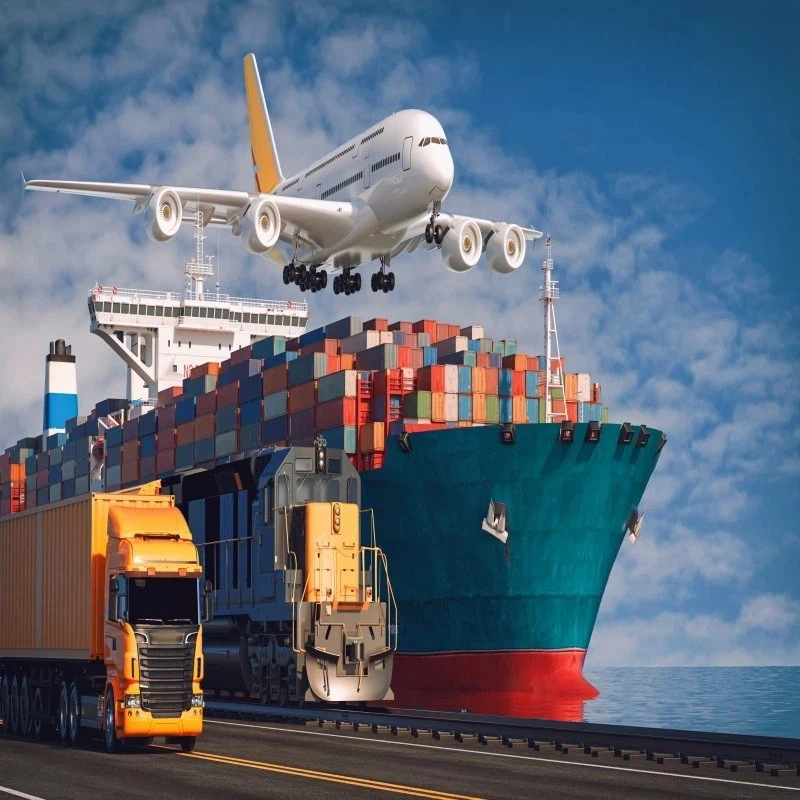
The shipping industry's shift to e-BLs promises rough seas ahead, not calm waters.
Imagine a container ship crossing the ocean at full speed-only to find the port gates locked upon arrival. That's precisely the predicament facing many companies racing to adopt electronic Bills of Lading (e-BLs). While the shipping industry is eager to leave paper-based processes behind, the journey toward digital documentation is proving far from straightforward.
Electronic Bills of Lading promise to revolutionize international trade by replacing paper documents with digital versions. The potential benefits are enormous: reduced costs, faster processing, and enhanced security. But beneath the surface of these advantages lie significant challenges that could leave your cargo dead in the water-sometimes literally.
The Paper Mountain We're Trying to Move
For centuries, the shipping industry has relied on paper Bills of Lading. These documents serve three critical functions: they act as a receipt for goods, evidence of the contract of carriage, and a document of title . This last function is particularly important-whoever possesses the original paper Bill of Lading controls who can claim the goods.
The problem? Paper processes struggle to keep pace with modern shipping. Consider that traditional paper-based documentation costs account for approximately 7% of a shipment's total value . For a $50,000 shipment, that's $3,500 simply pushed toward paper handling. Meanwhile, vessels can cross oceans faster than documents can clear desks, creating logistical bottlenecks that delay cargo and tie up capital.
The E-BL Promise: More Than Just Digital Paper
Electronic Bills of Lading aim to solve these inefficiencies. By digitizing the process, e-BLs can potentially reduce documentation costs by at least 50% while accelerating transactions from days to mere hours .
Blockchain-based e-BL systems, like the Global Shipping Business Network (GSBN) platform used by COSCO Shipping, add layers of security through cryptographic hashing and distributed ledger technology . Each transaction gets timestamped and linked to the previous one, creating an audit trail that's virtually impossible to alter undetected.
The industry momentum is building. In January 2023, COSCO Shipping successfully issued its first blockchain e-BL for pulp customer ELDORADO, marking a significant expansion beyond containerized cargo .
Hidden Rocks Beneath the Digital Waves
Despite the promising technology, e-BLs face substantial headwinds that threaten to slow their widespread adoption.
Legal Uncertainties: Who's in Charge Here?
Perhaps the most significant challenge lies in the ambiguous legal status of electronic Bills of Lading. Most existing maritime laws, including China's Maritime Code, were written with paper documents in mind. Article 71 of China's Maritime Code defines a Bill of Lading as a "document"-interpreted to mean a paper document-creating legal uncertainty for digital alternatives .
This legal vacuum extends to critical questions: Which courts have jurisdiction over disputes involving blockchain e-BLs? How are digital signatures legally recognized? What happens when systems fail? Without clear answers, many companies reasonably hesitate to fully embrace e-BLs for high-value shipments.
The international framework remains patchwork at best. While organizations like the United Nations Commission on International Trade Law have made progress with model laws such as the Electronic Transferable Records Act, implementation varies widely across trading nations .
The Control Paradox
Paper Bills of Lading work because possession clearly indicates ownership. But how do you "possess" a digital document? E-BL systems rely on establishing exclusive control through cryptographic keys . The theory sounds solid: only the holder of the private key can transfer or surrender the e-BL.
In practice, this creates new vulnerabilities. What happens if a private key is lost, stolen, or compromised? The decentralized nature of blockchain systems means there's no central authority to reset passwords or verify identity through alternative means. Unlike paper documents that can be physically tracked, digital keys disappear without a trace-potentially taking millions of dollars worth of cargo access with them.
Interoperability: The Tower of Digital Babel
The e-BL landscape is rapidly fragmenting into multiple competing platforms-TradeGo, GSBN, WaveBL, and others. Each has its own standards, protocols, and membership requirements. This creates a digital Tower of Babel where systems struggle to communicate .
A carrier might use one platform, while their customer uses another. Banks and insurers might be comfortable with a third. Without interoperability, we're simply replacing paper silos with digital ones. The situation echoes the early days of email, when users of different services couldn't message each other-except here, the messages represent physical cargo worth real money.
Stormy Weather: Operational Challenges at Scale
Beyond technical and legal hurdles, e-BLs face practical adoption barriers that can't be solved with code alone.
The Human Factor
Shipping remains a traditionally conservative industry. Convincing seasoned professionals to trust invisible digital processes over tangible paper documents requires more than just technological superiority. It demands a fundamental shift in mindset-and that transition takes time, training, and tolerance for initial hiccups.
The industry is caught between generations: digital natives pushing for innovation and seasoned veterans who've seen "revolutionary" solutions come and go. This cultural divide can slow adoption even when the business case seems clear.
Integration Headaches
Implementing e-BLs isn't as simple as installing new software. The technology must integrate with existing enterprise resource planning systems, customs platforms, banking interfaces, and insurance processes . Each integration point represents a potential failure node where data formats might clash, authentication may fail, or synchronization may break.
Small and medium-sized enterprises, which form the backbone of global trade, often lack the technical resources to manage these complex integrations. Without affordable plug-and-play solutions, e-BLs risk becoming a tool exclusively for giant corporations.
Navigating the Hazards: A Realistic Path Forward
Despite these challenges, the transition to e-BLs is inevitable. The economic incentives are too powerful to ignore. The question isn't if e-BLs will replace paper, but how we can navigate the current hazards to reach calmer digital waters.
Regulatory Harmonization
The industry needs clear, internationally harmonized regulations that establish the legal validity of e-BLs across jurisdictions . This includes recognizing digital signatures, establishing which courts handle disputes, and creating standards for liability when systems fail. Model laws like the Rotterdam Rules provide a starting point, but national governments must implement them consistently.
Standardization Before Innovation
Rather than developing yet another proprietary e-BL platform, the industry should rally around common standards and interoperability protocols. Organizations like the International Standards Organization are already working on this front-their "blockchain electronic bill of lading data interaction process" project represents a step in the right direction .
Phased Implementation
For companies considering e-BLs, a phased approach minimizes risk. Start with lower-value shipments, domestic trades, or trusted partners before expanding to more complex international transactions. Use hybrid approaches where e-BLs handle speed-critical functions while paper provides backup for compliance-heavy processes.
The Horizon Beyond the Storm
The hazards facing electronic Bills of Lading are significant-but not insurmountable. Like containerization in the 1950s and automated ports in the 1990s, this digital transition will reshape global trade once the initial turbulence passes.
The companies that succeed will be those who approach e-BLs with clear eyes about both the potential and the pitfalls. They'll invest not just in technology, but in legal expertise, staff training, and contingency planning. They'll recognize that going digital requires more than just scanning paper-it demands rethinking entire workflows and business relationships.
The waters may be rough now, but the destination-a faster, cheaper, more secure shipping industry-is worth the journey. Just remember to pack your life jackets along with your encryption keys.
Looking to navigate the transition to digital shipping documentation? Explore how our solutions can help your business harness the benefits of e-BLs while avoiding the hidden hazards.