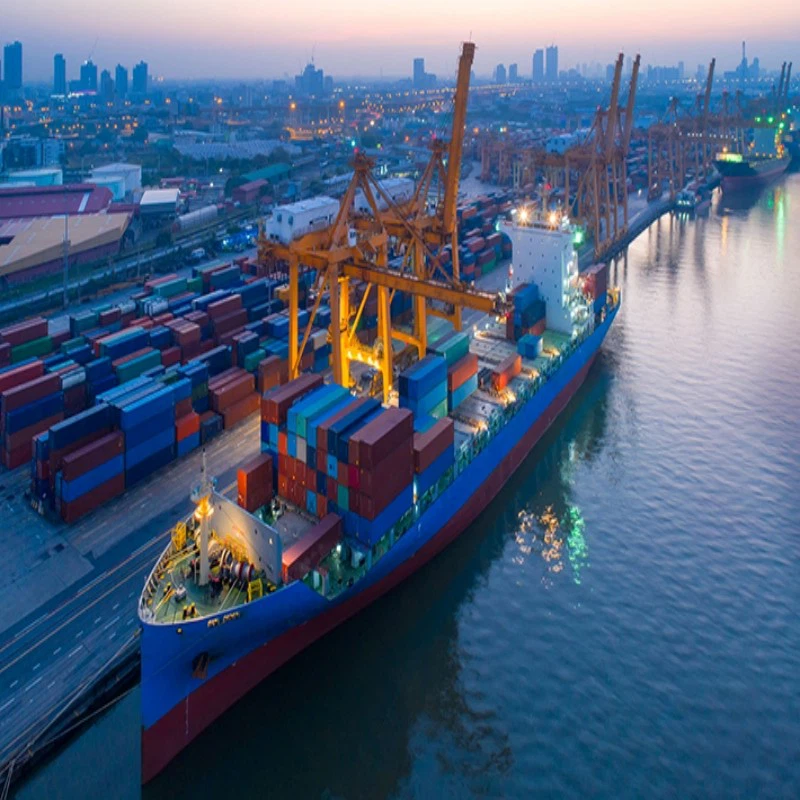
The Port of Bar, Montenegro's key maritime hub, is back in action after a devastating storm in July 2024 wiped out 40% of its dry bulk handling capacity. Thanks to a strategic investment in a Liebherr LHM 550 mobile harbor crane (MHC), the port is not only recovering but also positioning itself for future growth. For logistics professionals and businesses relying on efficient supply chains, this development matters-here's why.
The Storm's Impact and the Urgent Need for Recovery
In July 2024, a violent storm with winds reaching 200 km/h struck the Port of Bar, toppling three critical gantry grab unloaders and destroying a grain loading tower. The damage was severe: €35 million in losses and a 40% reduction in capacity at the dry bulk terminal, which handles 80% of the port's annual throughput. This disruption highlighted the port's vulnerability and the urgent need for resilient infrastructure.
The Solution: Liebherr LHM 550 Mobile Harbor Crane
The port's recovery pivoted around the acquisition of a Liebherr LHM 550 MHC, a versatile powerhouse with:
- 144-ton maximum lifting capacity
- 54-meter outreach
Ability to handle bulk cargo, general cargo, and containers
Inclusion of clamshell grabs for high-density bulk materials (up to 2.4 t/m³)
Funded by a loan from Montenegro's Investment and Development Fund, the €4.9 million (ex-VAT) crane was delivered in sections via the general cargo ship Ijsselvliet in mid-August 2025. Assembly is underway, with operational status expected by early September.
Why This Matters for Logistics and Supply Chains
- Restored and Enhanced Capacity: The LHM 550 replaces lost functionality and adds multi-purpose capabilities, allowing the port to resume pre-storm volumes while supporting diverse cargo types.
- Operational Resilience: Liebherr MHCs are known for reliability and advanced technology (e.g., fuel efficiency and emission reduction), aligning with modern sustainability goals.
- Economic Implications: The port handles critical commodities like coal for EPS (Serbian state-owned energy company) and is negotiating new business contracts. restored capacity ensures continuity for existing clients and attracts new opportunities.
Broader Lessons for Ports and Logistics Providers
The Port of Bar's experience underscores the importance of:
- Investing in Resilient Equipment: Mobile harbor cranes offer flexibility and quicker recovery compared to fixed infrastructure.
- Balancing Capacity and Versatility: The LHM 550's ability to handle containers, bulk, and general cargo makes it a strategic asset for ports targeting diversified revenue streams.
- Public-Private Financing: Government-backed loans can accelerate recovery and maintain regional supply chain stability.
Looking Ahead: Port of Bar's Strategic positioning
With the new MHC, the port aims to exceed pre-storm capacity and capture new market segments. Its focus on dry bulk, liquid cargo, RO-RO, and container terminals aligns with regional trade demands. For logistics companies like XMAE, this translates to:
- More reliable routing options via the Adriatic Sea.
- Faster turnaround times for cargo handling.
- Opportunities for partnerships in serving growing Balkan markets.
Conclusion: A Win for Maritime Logistics
The Port of Bar's recovery with Liebherr's LHM 550 is a testament to innovation and strategic investment. For logistics professionals, it's a reminder that infrastructure resilience directly impacts supply chain efficiency. As the port resumes full operations, it reinforces Montenegro's role in Mediterranean trade-and creates new possibilities for forwarders, carriers, and exporters.