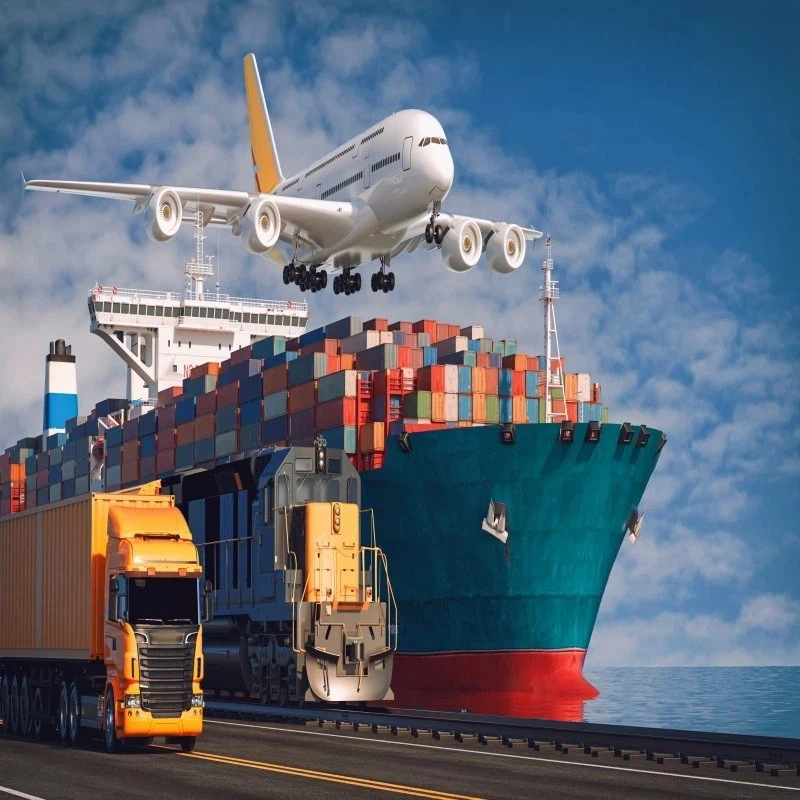
The Port of Melbourne, Australia's largest commercial port, just wrapped up an extraordinary financial year. In FY25, it handled a record A$154 billion in trade, cementing its role as a critical hub for global logistics. For businesses relying on international shipping, this isn't just a headline-it's a signal of efficiency, growth, and opportunity. Here's what you need to know.
Unpacking the Numbers
Melbourne's performance wasn't just strong-it was historic. Key takeaways include:
- Container throughput reached 289,000 TEUs in January 2025 alone, a 4% year-on-year increase.
- Full exports (excluding Bass Strait) grew by 4.6%, while full imports rose slightly by 0.2%.
- Non-container trade surged by 16.3%, driven by spikes in vehicle shipments (up 48.7%), liquid bulk (9.8%), and dry bulk (17.1%).
This growth didn't happen by accident. It reflects strategic investments in infrastructure, technology, and partnerships across the supply chain.
Why Melbourne's Success Matters for Shippers
- Efficiency Gains: The port's average berth productivity hit 95 TEUs per meter in March 2025, up from 92 earlier in the year. For logistics providers, this means quicker turnarounds and fewer delays.
- Capacity Expansion: Victoria International Container Terminal (VICT) recently expanded its capacity by 30%, now handling 1.25 million TEUs annually. This means better service for large vessels and growing demand.
- Diversified Trade: With strong performance in both containerized and non-containerized cargo (like vehicles and bulk goods), Melbourne offers flexibility for shippers across industries.
Behind the Scenes: Partnerships and Innovation
Companies like Bhagwan Marine played a key role, signing long-term contracts with the port and investing in electrification and remote technologies3. These partnerships enhance operational resilience and sustainability-a win for everyone from carriers to consignees.
What This Means for Your Business
Melbourne's record year isn't just a local story. It's a testament to the port's ability to handle complex logistics challenges while scaling for future demand. For shippers, this translates to:
- Reliability: Reduced congestion and faster processing times.
- Scalability: Increased capacity to support growing trade volumes.
- Innovation: Adoption of automation and green technologies for sustainable operations.
Looking Ahead
The Port of Melbourne isn't slowing down. With ongoing investments in infrastructure and technology, it's poised to remain a cornerstone of global trade-and a strategic partner for businesses shipping to and from Australia.
At XMAE Logistics, we help you navigate these opportunities. From leveraging Melbourne's efficiency to optimizing your supply chain, our expertise ensures your cargo moves smoothly. Get in touch to see how we can support your logistics needs.