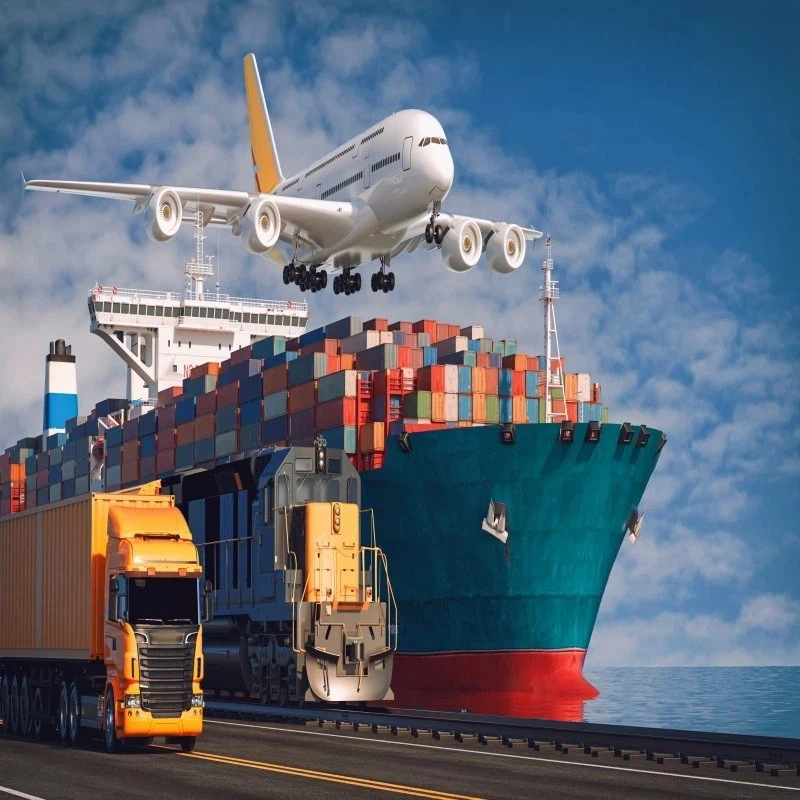
In the dynamic world of global shipping, ocean carriers and alliances are in the midst of an aggressive battle for market share. With freight rates experiencing a prolonged decline and record fleet growth, the industry is witnessing a transformative shift in strategies and alliances. For shippers and logistics professionals, understanding these changes is crucial to navigating the evolving landscape and securing reliable, cost-effective supply chain solutions.
The Race for Cargo Intensifies
Ocean carriers have faced ten consecutive weeks of declining freight rates, with disappointing peak summer season cargo levels on key routes like Asia-Europe and transpacific trades. This downturn has sparked a fierce competition among carriers to capture every possible container. According to industry experts, the global container orderbook is on the verge of hitting a record 10 million TEU, driven by a sense of "fear of missing out" (FOMO) among carriers. This has led to an aggressive push for market share, with alliances and independent carriers adopting diverse tactics to stay profitable.
Alliance Reshuffling: A New Competitive Landscape
February 2025 marked the largest-scale alliance restructuring since 2015-2017, reshaping the competitive dynamics of the container shipping market. The former three major alliances-2M, Ocean Alliance, and THE Alliance-have evolved into four new groupings:
- Ocean Alliance (OA) remains stable, comprising COSCO Shipping, CMA CGM, Evergreen Marine, and OOCL.
- Mediterranean Shipping Company (MSC) is now operating independently, launching its own Far East-Northwest Europe network.
- Gemini Cooperation (GC) is the new alliance between Maersk and Hapag-Lloyd, focusing on a hub-and-spoke system to enhance reliability.
- Premier Alliance (PA) includes ONE, HMM, and Yang Ming.
This restructuring has not only altered market shares but also intensified competition, as each alliance vies for dominance through differentiated strategies.
Divergent Strategies: Quality vs. Volume
Carriers and alliances are adopting distinct approaches to attract shippers:
Gemini Cooperation (Maersk and Hapag-Lloyd) is emphasizing service quality and reliability. Their hub-and-spoke model aims to achieve 90% on-time performance, appealing to major shippers who prioritize consistency.
- MSC is leveraging its scale and partnerships with major forwarders to "hoover-up cargo" with competitive pricing.
- Ocean Alliance is maintaining its vast network, relying on stable partnerships and extensive coverage.
- Premier Alliance, though smaller, is focusing on niche markets and leveraging newbuild plans to expand capacity.
Despite these efforts, analysts note that the pressure to fill new vessels is driving some carriers to offer rates below spot market levels, further exacerbating rate declines.
Implications for Shippers
For shippers, this aggressive competition presents both opportunities and challenges:
- Rate Volatility: With carriers engaging in aggressive pricing, short-term rate fluctuations are expected. Shippers may benefit from lower costs but should remain cautious about service reliability.
- Service Differentiation: Carriers like Maersk and Hapag-Lloyd are betting on superior service to justify premium rates. Shippers valuing supply chain stability may find these options appealing.
- Increased Choices: The emergence of four alliances offers shippers more options to tailor their shipping strategies. However, understanding each alliance's strengths and weaknesses is key to making informed decisions.
- Market Uncertainty: Geopolitical factors, such as U.S. tariff policies and Red Sea disruptions, continue to inject uncertainty into the market. Shippers must stay agile to adapt to sudden changes.
The Role of Non-Alliance Carriers
Independent carriers, such as Wan Hai and ZIM, are also playing a significant role in this competitive landscape. By offering specialized services and flexible solutions, they are capturing market share from larger alliances. For shippers, these carriers provide alternatives that may better suit specific needs.
Looking Ahead: What to Expect
The container shipping industry is poised for further changes. With fleet capacity set to grow recordly in 2025, carriers will face additional pressure to utilize their vessels. This could lead to:
- Consolidation: Smaller carriers may struggle to compete, leading to potential mergers or acquisitions.
- Innovation: Carriers will invest in digitalization and sustainability to differentiate their services.
- Regulatory Scrutiny: Alliances may face increased regulatory scrutiny to ensure fair competition.
How XMAE Logistics Can Help
At XMAE Logistics, we understand the complexities of the global shipping industry. Our expertise allows us to help you navigate these turbulent times by:
- Providing insights into carrier performance and reliability.
- Negotiating competitive rates based on your specific needs.
- Offering tailored solutions that balance cost and service quality.
- Keeping you informed about market trends and geopolitical developments.
In a world where ocean carriers are aggressively pushing for market share, having a trusted logistics partner ensures that your supply chain remains resilient and efficient.
Conclusion
The ocean shipping industry is undergoing a seismic shift, with carriers and alliances competing fiercely for market share. For shippers, this means more choices but also requires careful evaluation of service quality and reliability. By staying informed and partnering with experts like XMAE Logistics, you can turn these market dynamics into opportunities for your business.
For more insights and personalized solutions, visit our website at www.xmaelogistics.com.