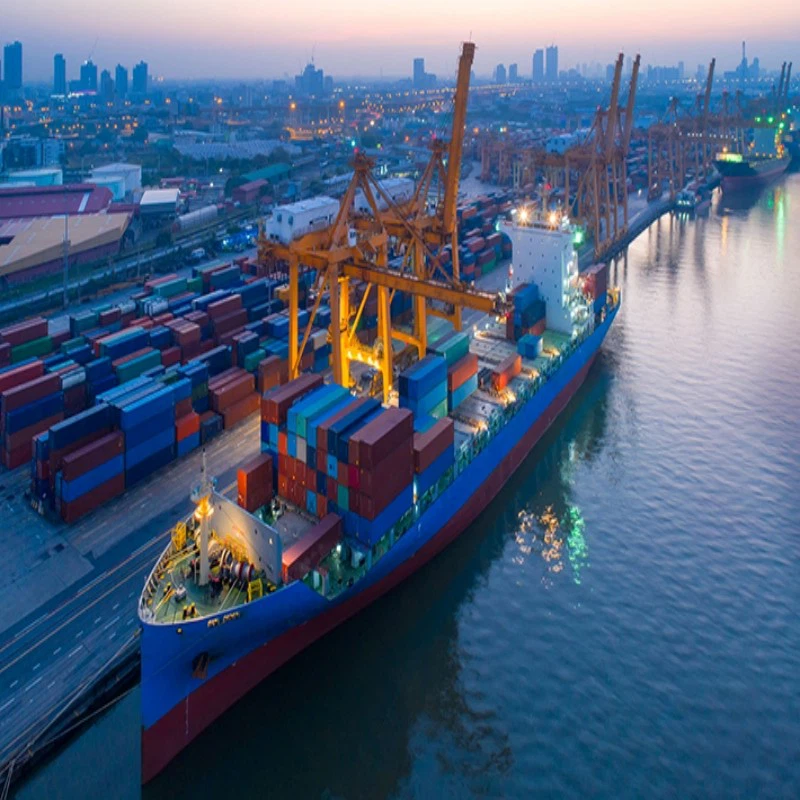
Ocean Network Express (ONE), the world's sixth-largest container line, just sent shockwaves through the shipping industry. The carrier reported an 89% nosedive in Q1 net profit ($86M vs. $780M YoY) and slashed its full-year profit forecast by a staggering $400 million-down to just $700 million138. CEO Jeremy Nixon didn't mince words: "Continued geopolitical uncertainties, volatile market conditions, and port congestion" are hammering global supply chains14.
Why ONE's Forecast Imploded
1. Tariff whiplash is crushing demand
Trump 2.0's 'reciprocal tariffs' (April 2025) triggered a "rollercoaster" in Transpacific trade. Though a 90-day tariff pause brought temporary relief in May, volumes remain in freefall.
The new 15% US tariff on EU goods threatens a 10% H2 volume drop on the Transatlantic route-where capacity already sits 16% higher than last year.
2. Rates are collapsing industry-wide
SCFI has plunged for 8 straight weeks, sinking another 42 points recently.
June's short-lived rate spike ($3,000+/FEU to USWC) evaporated by July, sinking back to pre-surge levels.
3. Overcapacity + weak peak season = perfect storm
Vessels diverting via the Cape of Good Hope (due to Red Sea risks) are stretching supply chains, while newbuild deliveries flood the market with excess capacity.
Sea-Intelligence warns of an "absent peak season" and a potential 26% YoY volume crash in August.
ONE's Operational Agility: A Silver Lining?
Despite the carnage, ONE maintained near-full utilization on critical lanes:
Asia-North America (eastbound): 100%
Asia-Europe (westbound): 90%
Yet ghost ships haunt return routes:
→ Asia-North America westbound utilization: 27%
→ Asia-Europe eastbound utilization: 35%
What This Means for Logistics Planners
Diversify beyond the Transpacific: ONE's profit meltdown underscores the risk of over-reliance on tariff-battered lanes.
Prepare for volatility spikes: A late-September rush (pre-China Golden Week) may lift rates briefly-but expect a "steep drop" afterward.
Lock capacity early: With carriers like ONE blanking sailings amid volume drops, space guarantees will be critical.
"We're optimizing cargo portfolios and vessel deployment to tackle these headwinds," Nixon stressed. But with ONE's projected FY2025 net profit down 84% YoY, the message is clear: geopolitical risk is now the single biggest disruptor in container shipping.
Smart shippers are hedging bets-rewriting contracts, rerouting cargo, and building tariff-resistant supply chains. Is yours?