If you've spoken to a freight broker in the last 48 hours, you've probably heard the same thing: "The Middle East is on fire." Not literally, of course, but the demand for lanes heading to Dubai, Dammam, and beyond has absolutely exploded.
The outbreak of conflict has thrown a massive wrench into global supply chains, but it's also created a sudden, urgent shift in trade routes. Brokers are reporting a surge in requests for Middle East-bound shipments, and it's not just about emergency supplies. It's about businesses scrambling to reroute cargo, secure essential goods, and find stability in a region that is, paradoxically, becoming a safe haven for transshipment.
The "Dubai Effect" and the Red Sea Ripple
What we're seeing is a classic case of logistics dominoes. With traditional corridors becoming unpredictable, the Middle East-specifically the UAE and Saudi Arabia-is emerging as the critical hub for getting goods into surrounding regions and even further into Africa and South Asia.
But here's the problem: not every forwarder is built for this sudden spike. A lot of brokers are finding that their usual carriers are either hiking rates or have limited space as everyone jumps on the same bandwagon. The chaos is real. I've heard stories of containers getting stuck at transshipment ports because the connecting feeder vessel suddenly changed its schedule.
Experience Over Emergency
This is where having a grounded, experienced partner makes all the difference. At Xiamen AE Global, we aren't just watching the news ticker; we're acting on it. Since 2018, we've built a network specifically designed to handle these volatile shifts.
Because we hold NVOCC, FMC, and IATA approvals, we aren't just middlemen. We're a principal player. When brokers come to us with urgent Middle East queries, we don't have to pick up the phone and call three other companies. We look at our own consolidated sea freight schedules, check our direct contracts with carriers on the key China to Middle East sea lanes, and move.
Moving Beyond the Headlines
Right now, the smart money isn't on panic; it's on flexibility. We've been handling project cargo and break-bulk shipments for years, so when a client needs to air-freight critical machine parts to Qatar because their sea shipment is delayed by the conflict, we can pivot instantly.
Our team operates on a simple principle: professionalism, honesty, and speed. With over 100 overseas agents in our network, we have eyes and boots on the ground in the Middle East. We know which warehouses in Jebel Ali are actually accepting cargo this week and which DDP options from China to Riyadh still make financial sense despite the market flux.
The Bottom Line
The outbreak of war is a tragedy, and its economic aftershocks are felt in every shipping container and cargo hold. But for brokers and businesses, the takeaway is clear: demand in the Middle East isn't just rising; it's reshaping logistics strategies.
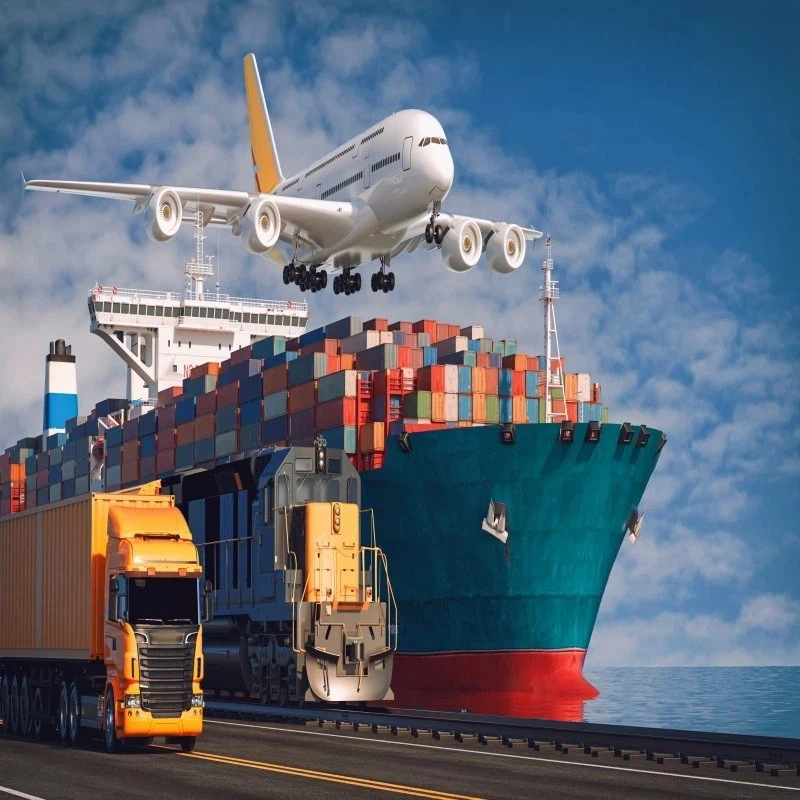
If you're trying to navigate this new landscape and need a partner who can actually deliver, whether by sea, air, or rail, it helps to work with a forwarder that treats every shipment-especially the urgent ones-with the same level of commitment. Sometimes, the best route through chaos is a straight line with someone who knows the road.