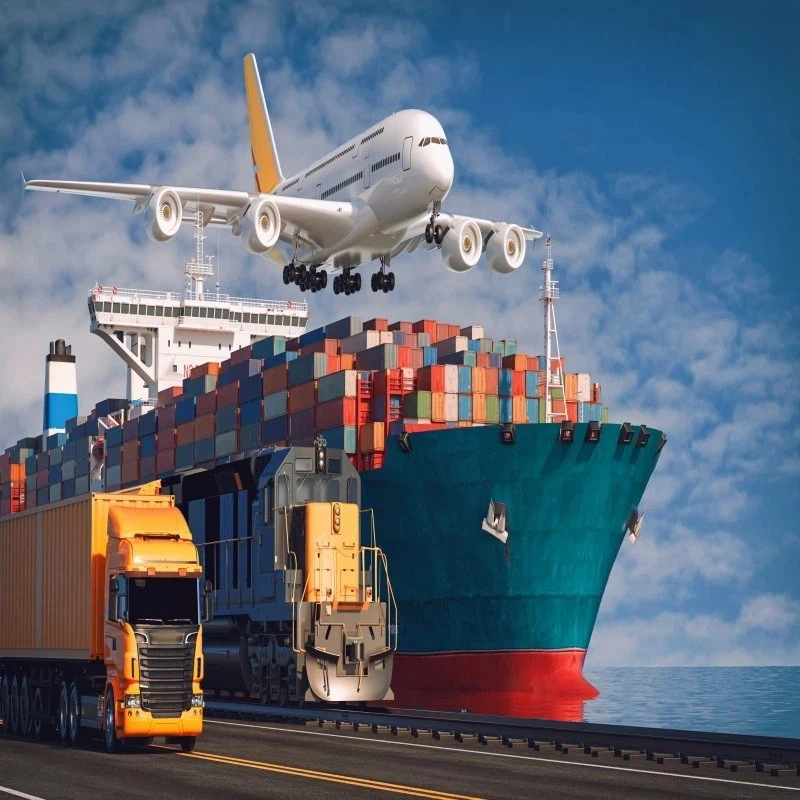
The global container shipping industry, already navigating the complexities of post-pandemic normalcy and tariff wars, was jolted this week by a new, potent variable: open conflict in the Middle East. Following coordinated military strikes, the Strait of Hormuz-a narrow chokepoint for about a quarter of the world's oil trade-has effectively become a no-go zone for commercial vessels .
According to a stark new analysis from maritime research firm Drewry, the escalation is triggering an immediate trifecta of logistical headaches: bottlenecks, mass rerouting, and a sharp spike in costs . For businesses shipping goods to or from Asia, this isn't just geopolitical news; it's a direct hit to supply chain budgets and timelines.
The Immediate Fallout for Container Shipping
While the Strait of Hormuz is critical for oil, its closure sends shockwaves through the container sector. Drewry's AIS data shows that as of March 1st, 158 container ships-representing 691,000 TEU of capacity-were present in the high-risk zone (Gulf of Oman, Arabian Sea, and Persian Gulf) . These vessels are now either idling or being forced to alter course.
The most significant knock-on effect is the death knell for any immediate hope of carriers returning to the Suez Canal. Major lines like MSC and CMA CGM, which had been tentatively planning returns, are now doubling down on the longer, costlier Cape of Good Hope route . This adds roughly two weeks of sailing time and burns significantly more fuel.
"The ongoing conflict will create systemic disruption: bottlenecks, rerouting, rising insurance and freight costs, and broader uncertainty," Simon Heaney, Senior Manager of Container Research at Drewry, told WorldCargo News .
What This Means for Your Cargo (and Your Wallet)
For importers and exporters, this translates to three immediate pressures:
- Soaring Rates & Surcharges: War risk insurers are either pulling cover or hiking premiums. Carriers like MSC have already begun implementing emergency contingency surcharges (like the $800 per container "End of Voyage" fee) to cover deviation costs and increased risk . Expect these to become industry-wide.
- Severe Delays: Vessels stuck outside the conflict zone or arriving off-schedule at alternative ports will create "congestion and equipment imbalances" . In plain English: expect your container to be late, and don't be surprised if there's a shortage of empty boxes where you need them.
- Rerouted Cargo: Cargo destined for Gulf ports is being offloaded at the "nearest safe port," often in Oman, the UAE, or Saudi Arabia, leaving shippers to figure out the expensive and complex last-mile land transport .
Navigating the Chaos: How Xiamen AE Global Keeps Your Supply Chain Moving
In times like these, a reactive logistics partner isn't enough. You need a proactive one. At Xiamen AE Global SCM Co.,Ltd, we understand that uncertainty is the biggest enemy of business. While the headlines focus on the problems, we focus on the solutions.
Our strength lies in our ability to adapt quickly to a fractured logistics landscape. When the Cape of Good Hope route becomes the new norm, our value proposition becomes even clearer:
- Diverse Routing Expertise: We aren't a one-trick pony. Our rich experience in shipping all kinds of goods by sea, air, and railway from China means we can pivot your strategy instantly. If ocean freight via the Southern Africa route is too slow, we can assess China-Europe Rail options or competitive air freight solutions to bypass the maritime chaos entirely .
- Problem-Solving at Origin: As a government-licensed forwarder with a network of over 100 overseas agents, we are on the ground where it counts. When MSC announces it's offloading cargo, we don't just forward the email. We work to find alternative routings or consolidate shipments to mitigate the impact of those massive new surcharges.
- Tailored Solutions for Volatile Times: Whether it's Door-to-Door Sea Freight, DDP/DDU Air Freight, or managing complex Project & Break Bulk shipments, our 10+ years of experience mean we've seen disruptions before. We operate with a commitment to professionalism and honesty, ensuring you get a clear picture of your options-including the cost implications of war risk premiums and fuel spikes-so you can make informed decisions .
The Drewry report confirms what we are seeing in real-time: the era of cheap and predictable container shipping is, for now, on hold. The conflict introduces "broader uncertainty across global supply chains" . But while you can't control geopolitics, you can control who you partner with to navigate them.
Don't let your cargo become a statistic in the next disruption report. Contact Xiamen AE Global today for a contingency plan that keeps your goods-and your business-moving forward.