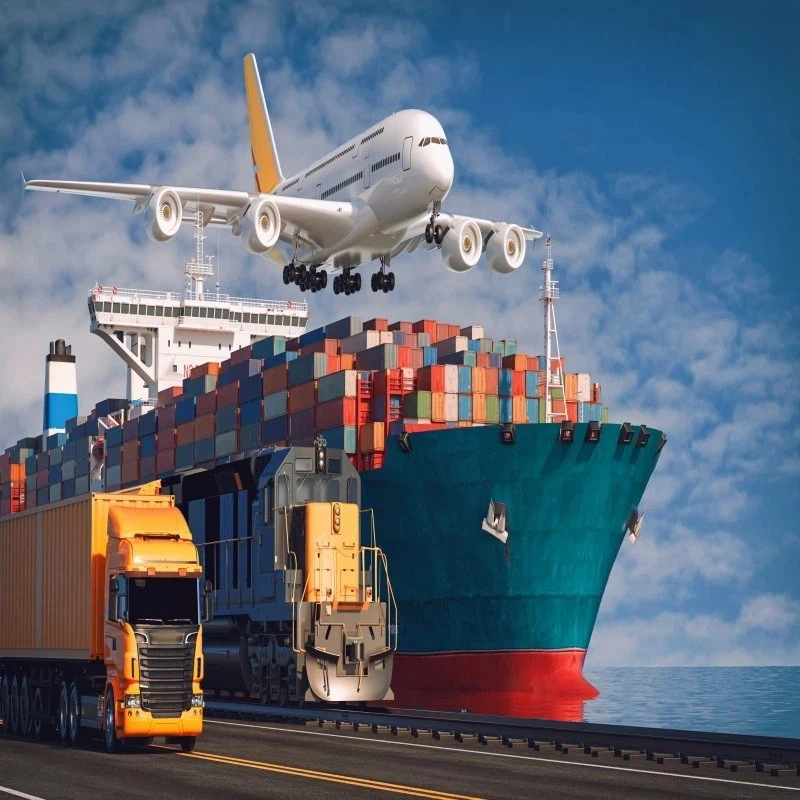
The queues at London Gateway are more than just an inconvenience-they're now hitting your logistics budget directly. As one frustrated transport manager bluntly stated: "Shippers are diverting to Southampton and London Gateway because of Felixstowe's inefficiency, overloading these ports and causing terminal delays" . This congestion cascade has reached a tipping point, forcing road hauliers to implement collection surcharges just to keep goods moving. Here's what's happening beneath the surface:
The Congestion Breakdown:
- Felixstowe's Meltdown: Britain's busiest port is operating at 70-80% capacity due to severe labor shortages. Crane productivity has plummeted to 16 moves/hour-half the rate of UK competitors .
- Spillover Effect: With Felixstowe gridlocked, vessels rerouted to London Gateway caused container stacks to reach "critically high levels" . Dwell times now stretch into weeks.
- Driver Shortfall: A 75,000-driver deficit nationwide means fewer trucks to clear containers, worsening port pileups .
Why Surcharges Are Inevitable (And How Much They'll Hurt)
Hauliers aren't adding fees out of opportunism-they're fighting to survive. Consider the math:
- Time = Money: Detention costs for trucks waiting 5+ hours at London Gateway now average £120-200 per container (based on driver wages, fuel, and missed slots) .
- Equipment Squeeze: Chassis shortages triggered by delays incur $25-$75/day per unit in detention fees-often passed to shippers .
- Operational Chaos: Missed warehouse appointments lead to $300+ rebooking fees and storage penalties .
These aren't isolated pains. Major carriers like MSC and Maersk have already imposed port congestion surcharges of $50-$175/TEU for UK-bound containers . Hauliers are the next domino.
Real-World Impact: When Delays Become Surcharges
Case Study: The Fashion Importer's Nightmare
A client importing seasonal apparel via London Gateway last month faced:
- 48-hour container release delay → Missed delivery window to Midlands DC
- Result: £150/haulier surcharge + £820 demurrage + £1,100 airfreight to salvage launch date
This is the new normal. As DP World admits, UK ports face "unprecedented cargo volumes" with no quick fix .
3 Tactics to Minimize Surcharge Damage
Diversify Your Discharge Ports
Use Liverpool or Thamesport (less congested alternatives)
Book via carriers like ONE, which reroutes vessels from Southampton to London Gateway during peaks
Negotiate Proactively
Terminal Handling Charges (THC) are negotiable for high-volume shippers
Bundle haulier fees into all-in rates to avoid surprise surcharges
Tech-Enable Visibility
Track port stack levels via DP World alerts
Use real-time ETA apps to reschedule trucks before they join queues
The Road Ahead: Surcharges Are the New Reality
London Gateway's congestion won't clear overnight. With post-Brexit checks intensifying and peak season looming, hauliers' surcharges will likely harden into standard practice. As Maersk's 2025 fee restructuring proves, ports are shifting rising operational costs onto shippers .
Your Move:
- Audit invoices for line-item surcharges (demurrage, detention, congestion)
- Lock in contracts with hauliers including port delay clauses
- Share your experience below-how are you absorbing these new costs?
Stuck in the surcharge spiral? Explore our congestion-busting road solutions for real-time port alternatives and negotiated haulier rates.