

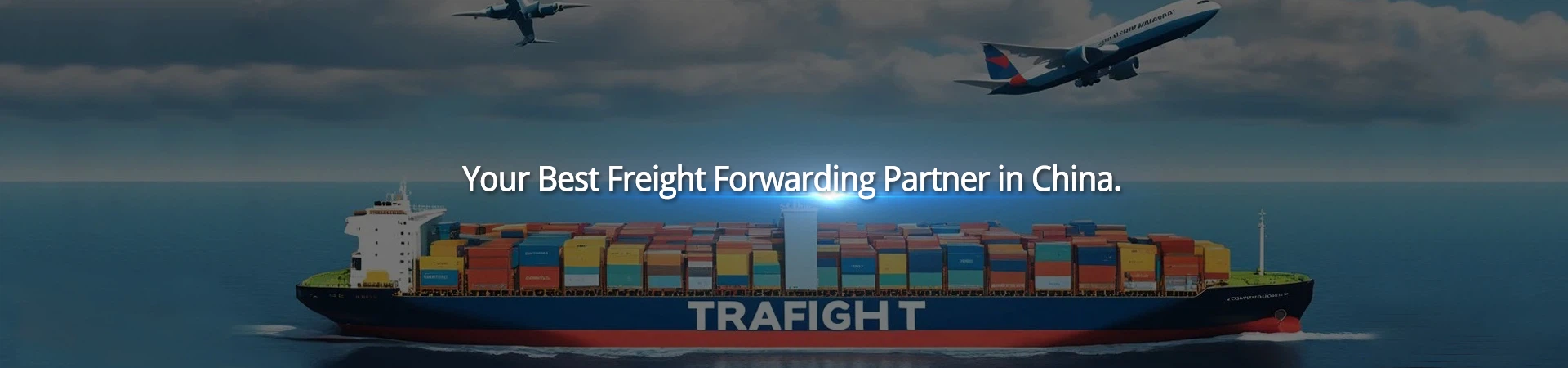
As global supply chains continue to evolve, the freight environment in 2025 will face a range of challenges, including fluctuating demand, regulatory changes, and ongoing advancements in transportation technologies. To navigate these changes, businesses will need more flexible and efficient logistics solutions. In this context, multi-modal solutions will play a crucial role in the freight industry, serving as the key to connecting different transportation modes and improving supply chain efficiency.
Multi-modal transportation refers to the integration of different transportation methods-such as sea freight, air freight, rail, and road transport-to move goods. This approach allows freight companies to capitalize on the advantages of various transportation means, reduce costs, increase efficiency, and mitigate uncertainties in the transportation process. By 2025, with the deepening of globalization and the rapid growth of cross-border e-commerce, a single mode of transportation will no longer suffice to meet the increasingly complex market demands. More businesses will turn to multi-modal solutions as an effective way to ensure seamless connections and efficient delivery on a global scale.
One of the main advantages of multi-modal transportation is its ability to flexibly address potential disruptions and delays in the supply chain. In recent years, global supply chains have been repeatedly disrupted by pandemics, geopolitical risks, and natural disasters, creating an urgent need for a transportation model that can quickly adapt and adjust. Multi-modal solutions enable goods to continue flowing through the most optimal routes, even when unforeseen transportation barriers arise, minimizing the losses caused by stoppages and delays.
Moreover, by 2025, the demand for transportation efficiency will be stricter than ever. Multi-modal transportation can effectively combine the strengths of different transportation methods through intelligent route planning, reducing costs and shortening transit times. For bulk goods, combining sea and rail transport can lower long-distance shipping costs; for urgent shipments, combining air and road transport can provide faster and more accurate delivery services. With technological advancements, the widespread use of digital management platforms will make the implementation of multi-modal solutions even more efficient, with real-time monitoring, scheduling, and optimization of transportation processes becoming more precise.
Environmental protection is also a critical issue for the future of the freight industry. As global environmental regulations become increasingly stringent, the logistics sector must find more sustainable transportation methods. Multi-modal transportation can help reduce unnecessary empty runs by optimizing routes and lower carbon emissions in the transportation process. For example, combining rail and maritime transport for long-distance shipments will significantly reduce carbon footprints compared to traditional road transport, aligning with the growing demand for environmentally friendly solutions.
In conclusion, the freight market in 2025 will be more competitive than ever, and multi-modal solutions, as a flexible and efficient approach, will become a key tool for businesses to navigate a complex environment and meet market demands. With the continued development of intelligent and digital technologies, multi-modal transportation will gradually become the standard model in the freight industry, providing strong support for the efficient operation of global supply chains. For freight companies, identifying their competitive advantage within this multi-faceted transportation ecosystem will be crucial to their future development.
