

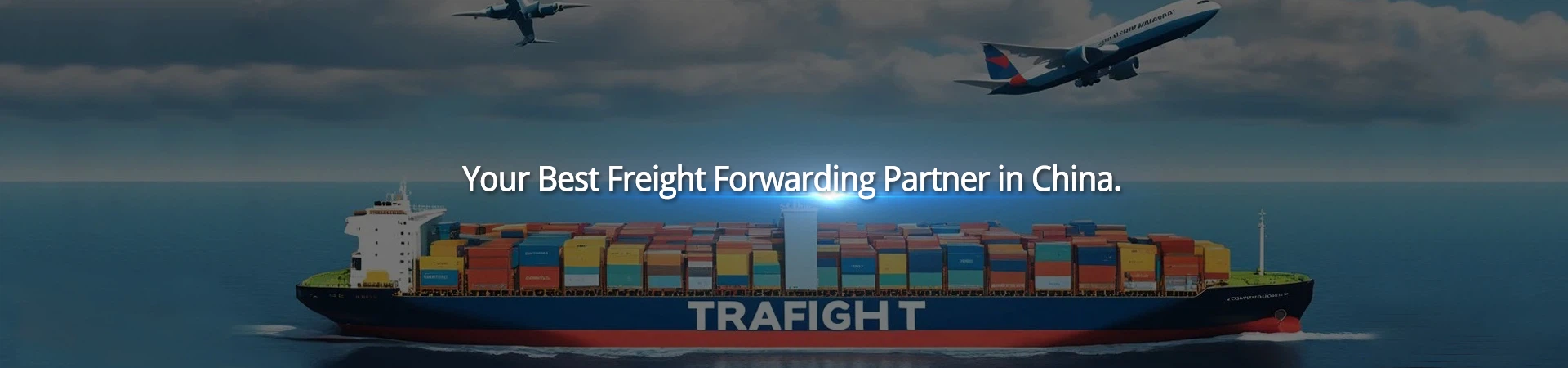
The transpacific shipping market is bracing for fresh turbulence as ocean carriers make aggressive capacity bets ahead of anticipated trade negotiations between Washington and Beijing. With spot rates already hovering near 2024 lows, industry analysts warn that carrier capacity management could become even more volatile in Q3 as political and economic forces collide.
The Trade Deal Speculation Factor
Fresh signals from both capitals suggest renewed efforts to stabilize China-US trade relations, with White House officials recently confirming "working-level" talks on tariff reductions. While details remain scarce, major container lines appear to be pre-positioning assets in anticipation of a possible deal that could reignite import demand.
"Carriers are playing chess with blank spaces on the board," notes Lars Jensen of Vespucci Maritime. "We're seeing atypical vessel deployments on transpacific routes despite current soft demand - they're clearly hedging against a sudden policy shift."
Capacity Tightrope Walk
According to Xeneta data, weekly capacity on Asia-US West Coast routes has increased 8% year-over-year despite 12% lower booking volumes. This mismatch is creating what one LA-based freight broker calls "phantom capacity" - ships sailing with guaranteed minimums from desperate carriers rather than actual cargo demand.
The strategy carries significant risk. If a China-US trade agreement fails to materialize before peak season, carriers could face a brutal combination of overcapacity and stagnant rates. However, successful negotiations could trigger a surge similar to 2023's unexpected July rally when rates jumped 42% in three weeks.
Shipper Strategies in Uncertain Times
For US importers and Asian exporters, this creates both challenges and opportunities:
- Contract Flexibility: Consider shorter-term agreements with volume commitments rather than fixed rates
- Diversified Routing: Explore secondary ports like Oakland or Savannah to avoid potential congestion at major hubs
- Inventory Buffers: Maintain 10-15% additional safety stock to hedge against potential rate spikes
"Smart shippers are using this calm before the storm to lock in fall capacity," advises XMAE Logistics' Head of Ocean Procurement. "We're helping clients implement hybrid shipping strategies that combine guaranteed space with spot market flexibility."
The Data Behind the Gamble
Recent Drewry analysis shows carriers need transpacific rates to hold above $2,100/FEU to maintain profitability on Asia-US West Coast routes - a threshold breached last month. This financial pressure explains why lines are willing to risk sailing half-empty ships in hopes of catching a demand wave.
What Comes Next?
Industry watchers suggest monitoring these key indicators:
- Shanghai Containerized Freight Index (SCFI) weekly changes
- Vessel utilization rates from Ningbo and Qingdao
- US retail inventory-to-sales ratios
At XMAE Logistics, our transpacific shipping experts are maintaining real-time scenario models to help clients navigate this high-stakes environment. Whether the trade deal materializes or not, one truth remains: In today's volatile market, adaptive logistics planning isn't optional - it's survival.
