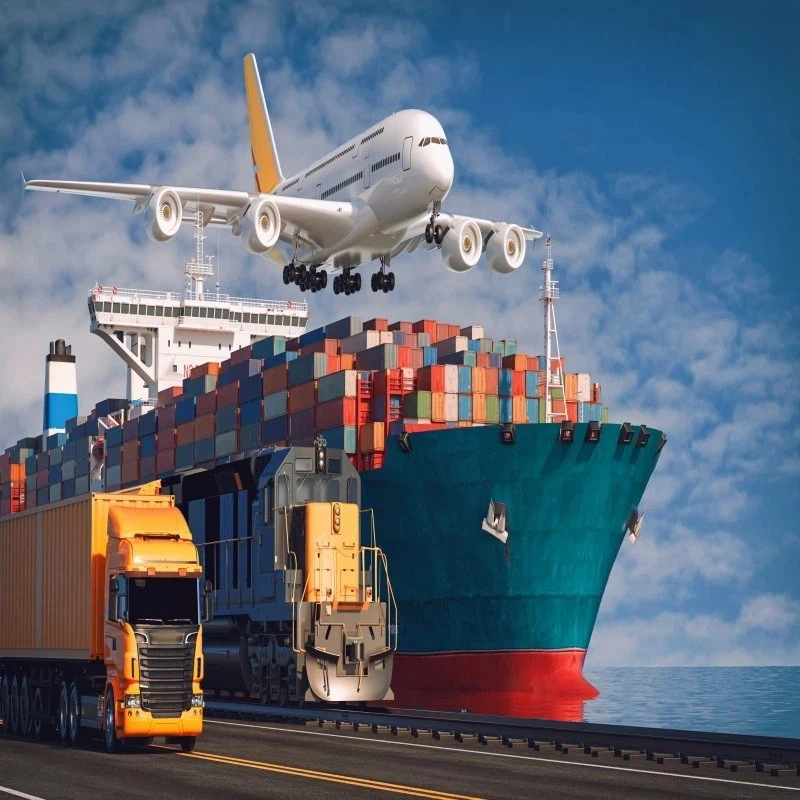
As we step into 2026, a storm is brewing in the ocean freight industry. But for savvy logistics managers, it's not a storm of shortage or skyrocketing costs; it's a potential flood of capacity that could send charter rates tumbling. While headlines shout about uncertainty, a deeper look reveals this isn't just chaos-it's a pivotal opportunity for strategic shippers. The key to winning in this new market won't be finding the cheapest spot rate today, but building a supply chain that's resilient enough to bend without breaking, no matter which way the winds blow.
The Gathering Clouds: What's Driving the Potential Rate "Tank"?
The expected downward pressure on freight rates in 2026 isn't happening in a vacuum. It's the result of several powerful, converging trends that are reshaping global trade.
- The Overcapacity Engine: A historic wave of new vessel capacity is entering the market. With a record 10 million TEUs of new ships scheduled for delivery before 2030, and fleet growth of 3.6% in 2026 predicted to outpace demand, carriers face a significant challenge filling their space. This fundamental oversupply is a primary force exerting downward pressure on both spot and contract rates.
- Shifting Trade Winds: Geopolitics, not just economics, are now steering trade flows. The historic link between GDP growth and container trade has broken. Recent import data highlights a stark shift, with U.S. container imports from China falling nearly 20% year-over-year in late 2025 as businesses adapt to tariff policies and diversify sourcing. This unpredictability makes traditional forecasting difficult and forces rapid rerouting of cargo.
- The Sentiment Game: Carriers are adept at managing market perception. Temporary spikes in spot rates, often timed around key contracting periods, can create an illusion of a tightening market. However, analysts advise looking beyond short-term blips. The overall forecast for 2026 suggests a continued downward trend, with long-term contract rates expected to soften.
Navigating the Waves: From Market Challenge to Strategic Advantage
In this environment, reacting to every rate fluctuation is a losing strategy. Success comes from proactive planning and building inherent flexibility into your supply chain. Here's how leading companies are turning volatility into an advantage, and how the right logistics partner can be the key:
|
Strategic Pillar |
The Challenge |
The XMAE Logistics Advantage |
|
Sourcing & Origin Flexibility |
Locked into a single country or region exposes you to sudden tariff shifts and capacity crunches. |
We provide data-driven insights on alternate trade lanes and port pairs. Our global network helps you execute a tiered sourcing strategy, pivoting volumes nimbly to optimize for cost, speed, and stability. |
|
Port & Routing Agility |
Relying on a single port gateway is risky amid congestion and changing carrier schedules. |
Our control tower visibility and carrier relationships allow for dynamic routing. We model the total landed cost, helping you switch between East Coast, West Coast, or Gulf ports based on real-time performance, not just habit. |
|
Contract Strategy |
Inflexible long-term contracts can lock you into higher rates in a falling market, while pure spot exposure adds risk. |
We help you design a hybrid contract strategy. We leverage market intelligence to secure favorable baseline rates while building in the flexibility to tap the spot market strategically, protecting you from overpaying. |
|
Risk Management |
Unexpected delays from port congestion or geopolitical events are now the norm, disrupting carefully planned schedules. |
We move beyond simple tracking to proactive exception management. Our technology and team identify potential disruptions early and execute pre-planned contingencies to keep your cargo moving. |
This approach transforms your logistics from a cost center into a source of competitive resilience. As one industry expert bluntly put it, "There has never been a less 'interesting' time to be a shipper of goods… if you like your job to be unpredictable, chaotic and unrelenting." The advice for 2026 is to "expect the unexpected".
The Bottom Line for 2026
Yes, the feeder-buying frenzy may cool, and rates may slide. But the real story of 2026 is strategic realignment. The companies that will thrive are those that stop chasing minor rate savings and start investing in supply chain agility, deep market intelligence, and partner-like logistics relationships.
At XMAE Logistics, we see the coming year not as a threat, but as the moment where forward-thinking shippers will separate themselves from the pack. Our focus is on providing the clarity, control, and flexibility you need to navigate this complexity, ensuring that your business is prepared to capitalize on the opportunities that market shifts always create.
Let's discuss how to build your resilient roadmap for 2026. Contact our strategic solutions team to turn this period of transition into your lasting advantage.