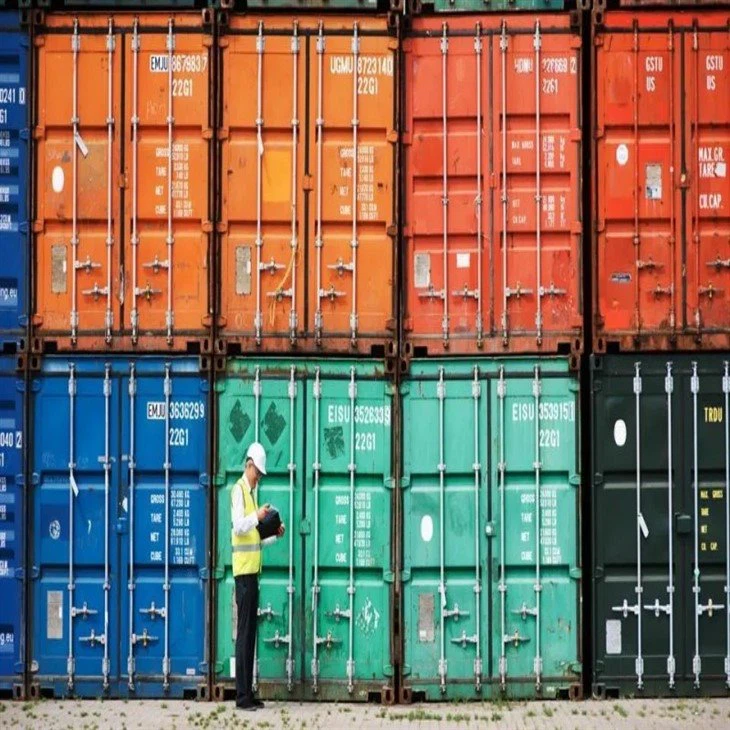
The Ports of Los Angeles and Long Beach have long been the heartbeat of US imports, handling nearly 40% of all containerized cargo entering the country. But a sharp drop in ocean freight volumes is sending shockwaves through Southern California's trucking sector – and supply chains are feeling the pinch. Here's what's happening and how smart shippers are adapting.
Empty Docks, Idle Trucks: The Domino Effect
Recent data shows a 15% year-over-year decline in container throughput at LA/LB ports. While this might signal relief for last year's congestion nightmares, the reality is more complex. Fewer containers mean fewer goods to move inland, directly hitting truckload demand.
- Truckers are caught in a vise: Rates for dry van spot loads out of LA have dipped 22% since Q1 2023 as capacity outpaces demand. Smaller fleets and owner-operators are parking rigs or leaving the market entirely.
- Warehouses are playing musical chairs: With importers holding less inventory, drayage trips to nearby distribution centers (think: Inland Empire) are down 18%. This disrupts the steady "container-to-truck" pipeline that keeps fleets busy.
- The shift isn't just cyclical: Savannah and Houston are snagging more Asia imports as shippers diversify from West Coast ports. Every diverted container means one less truckload moving through LA.
Beyond the Slump: Hidden Risks for Shippers
Lower rates might seem like a win, but volatility cuts both ways.
Capacity could evaporate overnight: If demand rebounds faster than carriers rebuild fleets, spot rates will spike. Remember 2021?
1. Service gaps are widening: With drivers exiting, remaining carriers are prioritizing contracted freight over one-off loads. Shippers without dedicated partners face longer wait times.
2. Infrastructure bills add pressure: The $1.2 trillion infrastructure law aims to ease port bottlenecks…eventually. Short-term? More construction = more delays for trucks navigating LA's already congested corridors.
How Forwarders Are Pivoting (Without Panicking)
At XMA Logistics, we're seeing clients tackle this imbalance with 3 strategies:
1. Go hyper-local: Pair fewer containers with regional LTL or partial truckloads to keep costs in check.
Example: A client merged three underfilled LA-to-Phoenix shipments into a single optimized load, cutting costs by 34%.
2. Lock in hybrid contracts: Blend guaranteed capacity with flexible spot market access. This hedges against both oversupply and sudden shortages.
3. Rethink port routes: For East Coast-bound cargo, East/Gulf Coast ports now offer faster transit times than transloading via LA. We've shifted 27% of clients' volume to Savannah and NYC/NJ this year.
The Bottom Line for LA Logistics
The container slump won't last forever, but its impact on trucking will linger. Shippers who treat this as a "wait-it-out" moment risk losing hard-won efficiencies.
Action step: Audit your Southern California freight flows now. Where are you overpaying for unused capacity? Could multi-port strategies or intermodal shifts buffer against trucking volatility?
At XMA Logistics, we specialize in turning supply chain turbulence into opportunity. Explore our port-to-door optimization solutions to keep your LA freight moving smoothly – no matter what the market throws next.