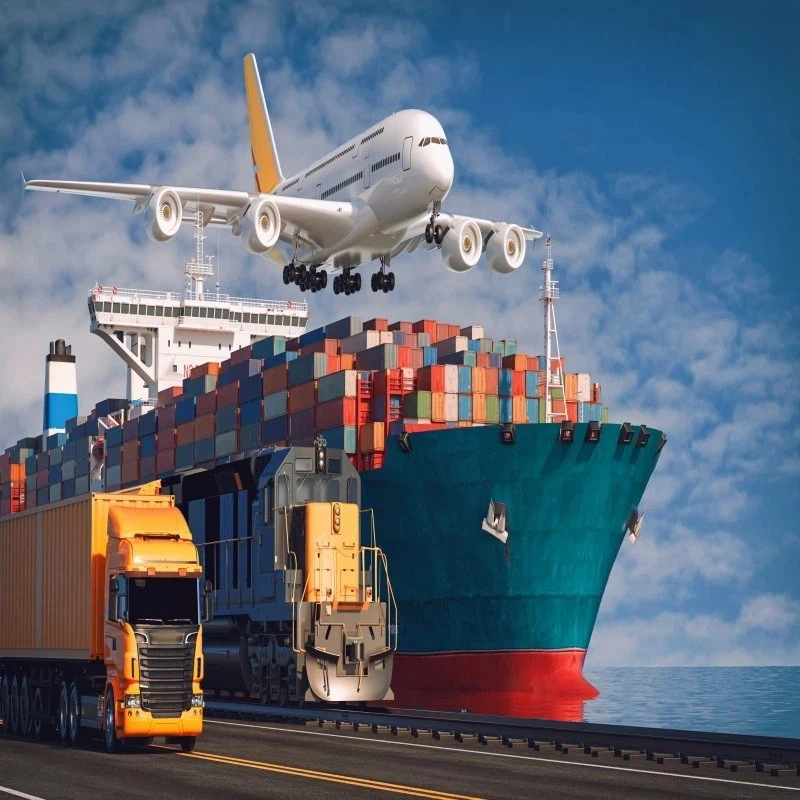
With over 130 million metric tons of cargo handled annually, Apapa Port in Lagos isn't just Nigeria's largest port - it's the economic heartbeat connecting West Africa to global trade routes. As specialists in Nigerian logistics, we at XMAE Logistics break down what every importer/exporter needs to know about this critical gateway.
Why Apapa Port Dominates Nigerian Trade
• Strategic Capacity: Handling 60% of Nigeria's container traffic through its 7 specialized terminals
• Global Connectivity: Direct shipping links to 180+ ports worldwide including Rotterdam and Shanghai
• Multi-Cargo Expertise: From Lagos-bound consumer goods to Niger Delta-bound oil equipment
Critical Infrastructure Breakdown
Container Terminals: APMT's 1.2km quay handles Panamax vessels (capacity: 4,500 TEU)
Bulk Cargo Zone: 24/7 grain silos processing 8,000 MT daily during peak seasons
RO-RO Facilities: Specialized ramps for 200+ vehicle imports weekly
Practical Challenges & Solutions
Common Pain Points:
Truck congestion causing 5-7 day delays during rainy season
Complex customs clearance procedures
Limited warehousing near port perimeter
How XMAE Optimizes Operations:
✔️ Priority Slot Booking: Secure berthing windows through our NTML-licensed partners
✔️ Pre-Clearance System: Our digital docs submission cuts clearance time by 40%
✔️ Portside Warehousing: Access to 120,000 sq ft secure storage within 3km radius
2024 Trade Trends to Watch
Dangote Refinery Impact: 650k bpd output requiring specialized equipment handling
Lagos Rail Link: New standard gauge connection reducing truck dependence
Customs Modernization: NCTN blockchain tracking implementation phase
Why Local Expertise Matters
When we helped a Chinese exporter last quarter:
Achieved 90% on-time delivery via our alternative trucking routes
Maintained 100% customs compliance through real-time duty calculators