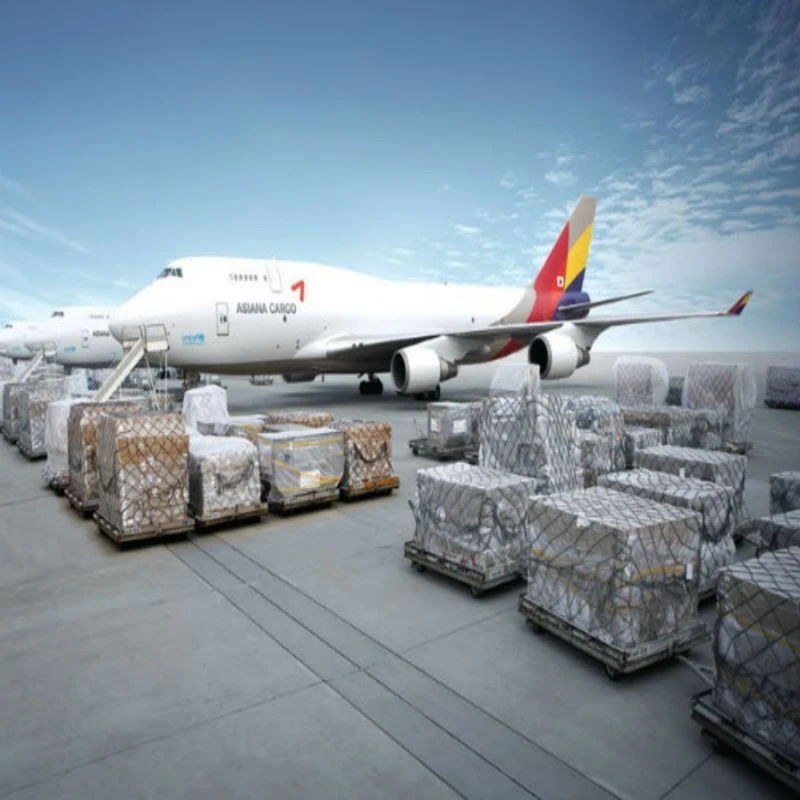
Have you ever been surprised by additional charges on your freight bill or faced delays because your shipment was deemed "overweight"? If so, you've encountered the complex world of overweight freight-a common challenge in logistics that can significantly impact your supply chain costs and efficiency.
Understanding Overweight Freight: The Basics
Overweight freight refers to cargo that exceeds the standard weight limits set by carriers, governments, or international regulations for various transportation modes. These limits exist for crucial reasons:
- Safety: Protecting transportation workers and the public
- Infrastructure preservation: Preventing damage to roads, bridges, and port facilities
- Vehicle integrity: Maintaining the structural health of trucks, ships, and aircraft
- Regulatory compliance: Adhering to local, national, and international transport laws
It's important to distinguish between overweight and overloaded freight. While "overweight" typically refers to exceeding a vehicle's maximum gross weight limit, "overloaded" often describes situations where the cargo exceeds the specific capacity of the vehicle's axles or tires.
Why Weight Limits Exist: More Than Just Rules
Weight restrictions aren't arbitrary-they're carefully calculated standards designed to ensure safety and operational efficiency across the supply chain.
When containers or trucks are overloaded, they can create dangerous situations on roads, potentially endangering cargo and other vehicles. Similarly, overweight shipments transported by sea pose risks in rough waters, potentially damaging other cargo and endangering crew members.
The financial implications are equally significant. Exceeding weight limits typically results in additional fees from carriers, who face increased risks and logistical challenges when handling heavier cargo.
Weight Limits Across Different Transportation Modes
Each transportation method has its own specific weight restrictions, which can vary significantly based on carrier guidelines, country regulations, and even specific routes.
Truck Weight Limitations
Truck weight restrictions are among the most complex aspects of overweight freight management, varying by carrier, state regulations, and container type.
General truck weight guidelines include:
TEU (20-foot containers): Typically require special handling over 36,000 pounds
FEU (40-foot containers): Usually need additional measures over 44,000 pounds
When containers exceed standard weight limits, truckers often use tri-axle chassis-specialized equipment that distributes weight across more axles, enabling safer transportation of heavier loads. However, this solution comes with additional costs, including the chassis fee itself, potential extra chassis charges, and overweight permit fees.
Sea Freight Weight Restrictions
For ocean shipping, standard container weight limits generally include:
- 20-foot container: Maximum gross weight of 30,480 kg (67,200 pounds)
- 40-foot container: Maximum gross weight of 30,480 kg (67,200 pounds)
- 40-foot high-cube container: Maximum gross weight of 30,480 kg (67,200 pounds)
It's crucial to note that these are general guidelines, and actual weight limits may be lower depending on the specific shipping line, vessel, and route.
Rail Weight Limitations
Compared to trucking, rail transport offers different weight capacities, generally allowing heavier loads. The general rule of thumb for rail shipping is:
TEU (20-foot container): Maximum weight of approximately 40,000 pounds
Remember that these weight limits include tare weight-the weight of the empty container itself. Shippers must factor this into their cargo weight calculations to ensure compliance with rail restrictions.
Air Freight Considerations
While not covered extensively in our sources, air freight typically has the most restrictive weight limitations due to aircraft performance and safety considerations. Specific restrictions vary by carrier and aircraft type.
The Real Cost of Overweight Freight
Shipping overweight containers without proper preparation can lead to a cascade of expensive consequences that impact your bottom line and supply chain efficiency.
Financial Implications
- Additional fees and surcharges: Carriers implement these to offset the increased risk and handling challenges of overweight cargo
- Costly reallocation or transloading: In some cases, overweight shipments may need to be reconfigured or transferred to comply with weight limits
- Special equipment expenses: Handling overweight freight often requires specialized equipment like cranes or heavy-duty forklifts
- Permit costs: Oversize/overweight permits for road transport can add significant expenses to your shipping budget
Operational Challenges
Booking confirmation issues: Securing booking confirmations from shipping lines can be more difficult for overweight cargo
Customs clearance delays: Overweight shipments often face additional scrutiny and potential delays in customs processing
Destination receiving problems: Unloading delays or difficulties finding appropriate storage space can create bottlenecks in your supply chain
Best Practices for Managing Overweight Freight
Successfully navigating the complexities of overweight freight requires a strategic approach and careful planning.
1. Accurate Weight Verification
Always verify the exact weight of your shipment before transportation. This includes the weight of the goods, packaging, and any pallets or other loading equipment. Modern weight verification methods, such as the Verified Gross Mass (VGM) requirement for sea containers, help ensure accuracy and compliance.
2. Research Weight Limits Thoroughly
Understand the specific weight restrictions that apply to your shipment, including those set by carriers, local regulations, and international standards. These limitations can vary significantly based on your transportation mode, route, and specific circumstances.
3. Plan for Overweight Charges
If your shipment exceeds weight limits, factor potential overweight charges into your transportation cost calculations. Digital quoting systems can help accurately estimate these additional fees before you commit to a shipping option.
4. Consider Alternative Transportation Options
For particularly heavy cargo, explore alternative shipping methods. This might include breakbulk shipping, flat rack containers, or specialized heavy-lift vessels.
5. Optimize Packaging and Loading
Efficient packaging and loading can help minimize the impact of overweight cargo. Consider using lightweight packaging materials and optimize weight distribution within containers or pallets.
6. Obtain Necessary Permits in Advance
For overweight road transport, secure any required special permits ahead of time. These permits often come with specific routing and timing restrictions that must be factored into your logistics planning.
The Environmental Impact of Overweight Freight
As the logistics industry moves toward greater sustainability, it's important to consider the environmental implications of overweight cargo. Heavier shipments typically lead to higher fuel consumption and increased emissions.
To mitigate this impact, consider:
- Optimizing routes to minimize distance traveled
- Using more fuel-efficient transportation modes where possible
- Exploring carbon offset programs to counterbalance increased emissions
- Investing in lightweight packaging solutions to reduce overall shipment weight
How Technology Simplifies Overweight Freight Management
In today's digital age, technology plays a crucial role in efficiently managing overweight shipments. Digital freight platforms offer features that streamline the process, including:
- Real-time weight limit information for various routes and carriers
- Automated calculation of potential overweight charges
- Digital document management for permits and certificates
- Integration with VGM systems for accurate weight verification
- Advanced tracking capabilities for monitoring overweight shipments
These digital tools help shippers make informed decisions, reduce errors, and optimize their overweight freight transportation.
Looking Ahead: The Future of Overweight Freight Management
As global trade continues to evolve, several trends are shaping the future of overweight freight management:
- Advanced weight-sensing technology: More accurate and efficient weight monitoring throughout the transportation process
- AI-driven load optimization: Algorithms that optimize container loading considering weight distribution and transport mode limitations
- Blockchain for weight verification: Creating immutable records of cargo weights to improve transparency
- Eco-friendly solutions for heavy cargo: Electric or hydrogen-powered trucks capable of handling heavier loads
- Regulatory harmonization: Efforts to standardize weight regulations across different regions and transport modes
Conclusion: Turning Overweight Freight Challenges into Opportunities
Managing overweight freight is a complex but essential aspect of modern logistics. By understanding the various weight restrictions across different transportation modes and implementing strategic approaches to heavy cargo, businesses can transform potential challenges into optimized shipping processes.
Successful overweight freight management requires accurate weight verification, careful planning, and often partnership with experienced logistics providers who understand the intricacies of heavy cargo transportation.
As you navigate the complexities of overweight freight, remember that knowledge, preparation, and the right technological tools can help you minimize costs, maintain compliance, and keep your supply chain running smoothly-regardless of how heavy your cargo might be.
Looking to simplify your overweight freight challenges? Xmae Logistics offers comprehensive solutions for heavy cargo transportation, helping you navigate weight restrictions, minimize costs, and ensure regulatory compliance. Contact us today to discuss your specific shipping needs.