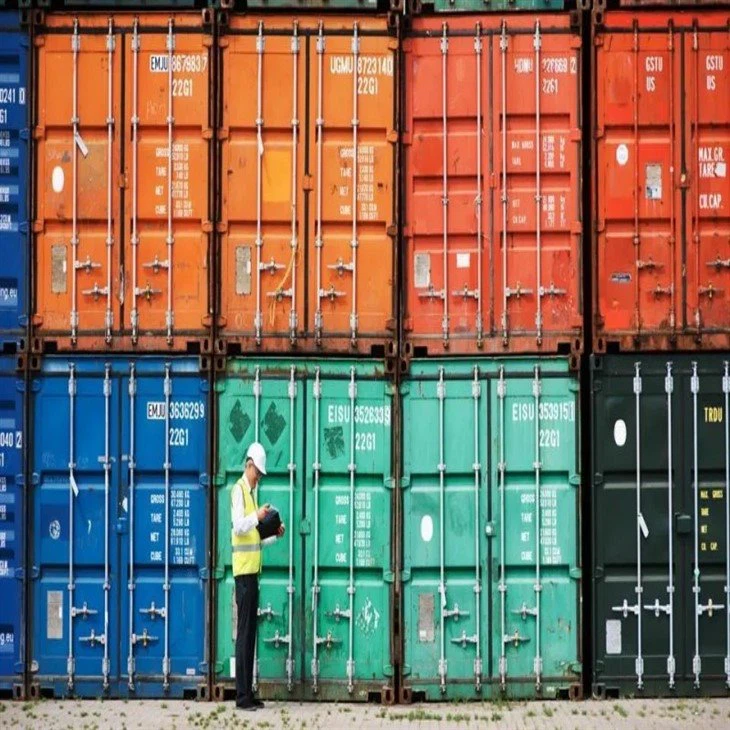
The global container shipping market wrapped up 2024 with robust growth, closing the year on a positive note. According to the latest data from Container Trade Statistics (CTS), global container traffic reached 183,158,193 TEUs in 2024, marking a 6.2% increase over 2023. This growth indicates a strong recovery in the global shipping industry, which had previously faced uncertainties such as the aftermath of the pandemic and ongoing economic volatility. The rebound was driven by global trade recovery, the easing of supply chain bottlenecks, and effective measures by shipping companies to adjust capacities and optimize route planning.
However, despite the positive year-end performance, the industry's attention is now shifting towards the future, particularly on the export trends from the Far East. The Far East has long been a key pillar of global shipping, with regions like China and Southeast Asia playing a significant role in shaping container traffic volumes. Given the current global economic slowdown, the export demand from the Far East is expected to become a critical factor that will influence the shipping market in the coming months. Changes in trade flows, potential trade barriers, fluctuations in global demand, and geopolitical uncertainties may all impact the region's export activities and, consequently, global shipping dynamics.
In addition to trade demand fluctuations, the shipping industry is also facing growing environmental pressures. As governments worldwide implement stricter environmental regulations, shipping companies are increasing investments to reduce carbon emissions and improve operational efficiency. This regulatory push has accelerated the transition to more sustainable and eco-friendly shipping practices. For example, more and more shipping companies are adopting LNG-powered vessels and pursuing fleet modernization initiatives aimed at reducing their environmental footprint. Moreover, the application of digital technologies has provided new solutions, helping companies improve shipping efficiency through better transport planning and data analytics, ultimately leading to reduced resource wastage.
Moreover, the positive growth in global container traffic in 2024 can also be attributed to strong support from governments in various countries. Numerous governments have introduced policies encouraging shipping companies to expand capacities, optimize logistics networks, and invest in port infrastructure. These policy measures have provided vital stability for the shipping industry, allowing it to navigate challenges and seize new opportunities.
Despite facing multiple challenges, the strong performance of the global container shipping market in 2024 has undoubtedly injected confidence into the industry. Looking ahead, as the global economy adapts to new growth models, the shipping industry will continue to be influenced by a variety of external factors, particularly the performance of Far East exports. The industry will continue to respond to challenges while seeking new growth opportunities, steering global shipping toward more intelligent and sustainable operations.