A single voyage through the Suez Canal can turn a 15-day delay into a 6-day hiccup, and CMA CGM is betting its fleet on that math.
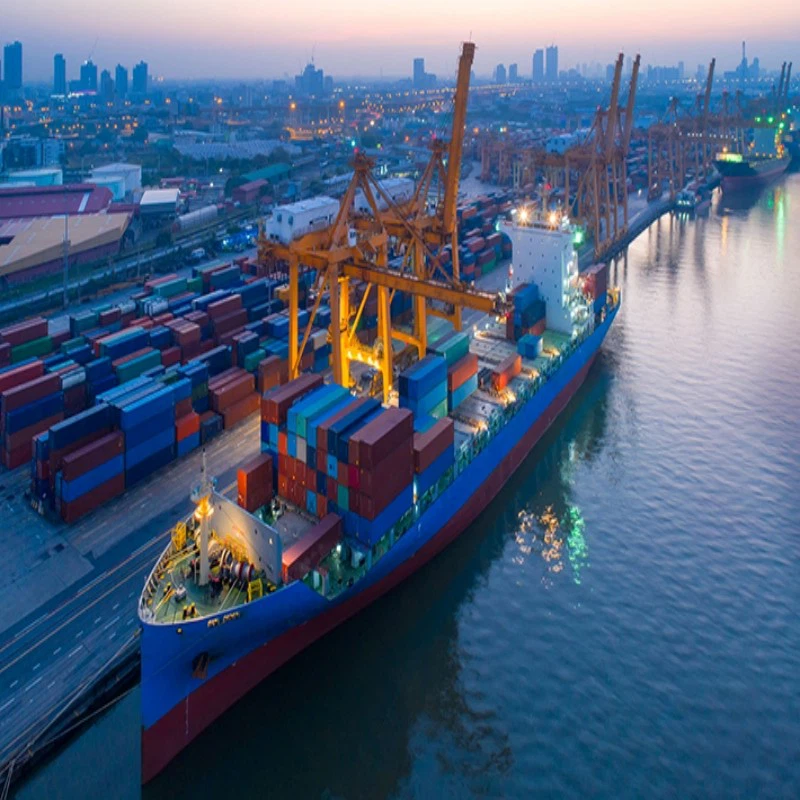
The CMA CGM Jules Verne, a 16,000-TEU giant, made a calculated turn toward the Suez Canal this summer. Its mission: to test the waters, both literally and figuratively. This move was part of a growing pattern for the French carrier and its partners in the Ocean Alliance, who are strategically increasing backhaul transits through the vital waterway.
This is not a wholesale return to pre-crisis routes but a data-driven, selective strategy. While most industry players remain cautious, CMA CGM is methodically gathering real-world sailing data on key routes like its Asia-Mediterranean MED2 service to inform future network decisions. The potential payoff is significant-transiting the Suez can dramatically cut journey times. Analysis suggests the Jules Verne was able to reduce an accumulated 15-day schedule delay to approximately 6 days by taking the shorter canal route.
The Calculated Comeback: More Than Just a Shortcut
The decision to route ships back through the Suez is a complex calculation that goes beyond simple geography. For carriers and their customers, the past year of widespread diversions around the Cape of Good Hope has come at a steep cost, adding 10-14 days to Asia-Europe voyages alongside increased fuel and insurance expenses.
The Suez Canal Authority (SCA) is actively incentivizing a return, offering toll reductions of up to 15% for large container ships to attract major lines back. For CMA CGM, resuming select transits is a conditional step, heavily dependent on sustained security assessments and specific voyage profitability, particularly on eastbound backhaul journeys from Europe to Asia.
This cautious approach is reflected in their operational tactics. Vessels like the Jules Verne have been observed suspending their AIS (Automatic Identification System) signals when passing through high-risk areas, a security measure to mitigate risk while gathering crucial navigation data.
The Alliance Advantage: Strength and Stability in Numbers
CMA CGM's strategy is powerfully amplified by its membership in the Ocean Alliance, a partnership with COSCO, Evergreen, and OOCL that has been extended through 2032. This long-term stability is a critical asset in a volatile market.
The Alliance's collective strength is formidable. It is the dominant player on the key Asia-Europe trade route, operating the greatest number of service loops (40) among all carrier groups, which provides unparalleled network flexibility and coverage. Furthermore, the Alliance commands a leading market share of over 33% on the Asia-North America West Coast route, demonstrating its deep integration in global east-west trades.
This collaborative model allows members to optimize vessel utilization, share capacity, and offer shippers a more extensive and resilient service network than any single carrier could provide independently.
Balancing Speed with Security: The Core Dilemma
The central challenge in resuming Suez transits is not logistics, but risk management. The industry's threshold for acceptable risk has been fundamentally recalibrated. As one industry broker noted, until war-risk insurance surcharges are eased, it remains difficult for carriers to commit entire services to the route.
CMA CGM's current actions are best understood as "validation" rather than "restoration.". The company is conducting what analysts call a "data-first" campaign, using controlled voyages to assess safety and operational feasibility without making immediate, large-scale commitments.
This prudent, incremental testing-contrasted with the all-in hub strategies of some competitors or the total independence of others like MSC-provides a strategic advantage of agility. It allows CMA CGM and the Ocean Alliance to adapt their networks based on real-time conditions without being locked into a single, rigid operational model.
Navigating the New Normal with a Trusted Partner
The landscape of global container shipping is being rewritten. Success no longer depends solely on offering the lowest rate or fastest transit time, but on strategic agility, resilient partnerships, and data-informed decision-making.
At XMAE Logistics, we specialize in translating these complex market dynamics into reliable, cost-effective solutions for your supply chain. We closely monitor the evolving strategies of major alliances and carriers, like CMA CGM's Suez maneuvers, to provide our clients with:
- Proactive Route Optimization: Leveraging real-time data and carrier insights to balance speed, cost, and reliability.
- Risk Mitigation Strategies: Building contingency plans for geopolitical disruptions and market volatility.
- Alliance Network Expertise: Utilizing our deep understanding of carrier partnerships to secure capacity and favorable terms on key trade lanes.
The methodical return to the Suez Canal is a sign of the industry's slow recovery and adaptation. Partnering with a logistics expert who understands these nuances is key to turning market uncertainty into a competitive advantage for your business.