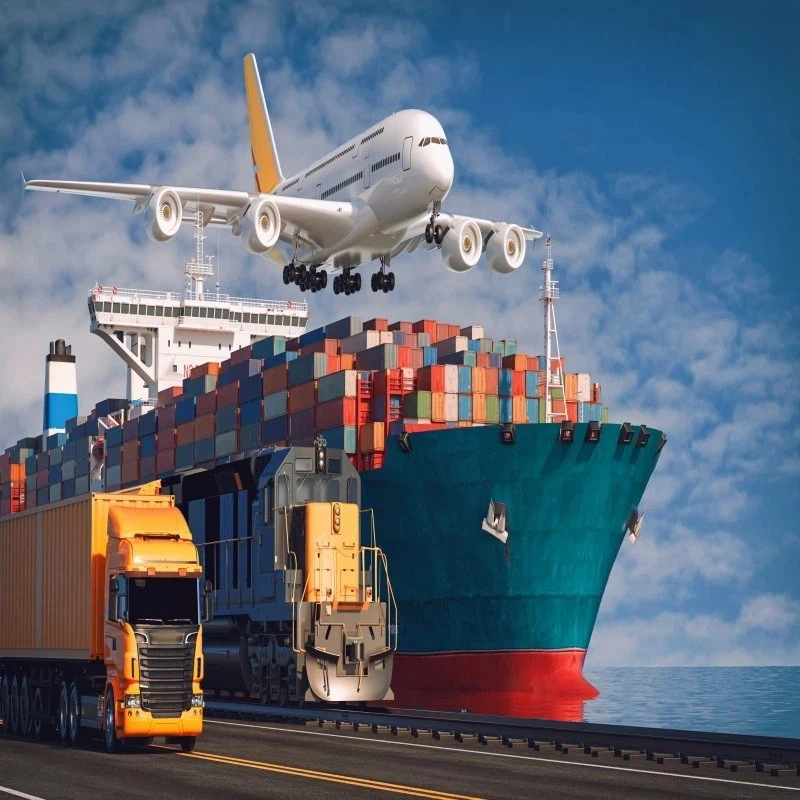
In global supply chains, port congestion has evolved from an occasional headache to a persistent and costly reality. Recent data reveals that disruptions at the world's maritime chokepoints now affect approximately $192 billion worth of maritime trade annually, creating estimated economic losses of $14 billion each year through delays, rerouting, and increased operational costs. This isn't just a temporary bottleneck-it's what industry experts are calling a "structural constraint" on global trade.
The numbers tell a sobering story. At the Port of Antwerp, vessel waiting times ballooned from 32 hours in March 2025 to 44 hours by mid-May-a dramatic 37% increase in just weeks. Similar challenges plague major ports across Europe and North America, with ship delays now ranging from 2 to 8 days at key European gateways like Rotterdam and Hamburg.
The Perfect Storm: What's Behind the Gridlock
Multiple factors have converged to create this crisis:
- Geopolitical tensions forcing vessels to avoid critical passages like the Suez Canal, adding two weeks to shipping times as they divert around Africa's Cape of Good Hope.
- Climate challenges including drought conditions at the Panama Canal and low water levels along key European waterways.
- Infrastructure limitations and labor shortages compounding delays at ports worldwide.
- Regulatory uncertainty in regions like North America, where changing detention and demurrage rules create additional complexity for shippers.
This congestion creates a vicious cycle: when container dwell times extend from the ideal 5 days to 8 days or more, terminal capacity rapidly diminishes, creating bottlenecks that take weeks to untangle.
Turning Supply Chain Chaos into Competitive Advantage
At XMAE Logistics, we've built our service model around these specific challenges. While others see obstacles, we see opportunities to deliver exceptional value through:
Real-Time Visibility and Predictive Analytics
Knowing where your shipment is located isn't enough-you need to predict where delays will occur before they happen. Our platform integrates data from over 1,000 carriers and ports worldwide, using advanced analytics to flag potential disruptions days in advance, giving you time to implement contingency plans.
Strategic Partnerships at Critical Nodes
Through our established relationships with terminal operators, trucking companies, and customs brokers across major ports in Asia, Europe, and North America, we secure priority access and faster turnaround times even during peak congestion periods. While others wait in queue, your goods keep moving.
Multi-Modal Flexibility
When traditional routes clog up, creativity becomes essential. We maintain flexible capacity across air, sea, rail, and road transport, allowing us to dynamically reconfigure supply chains as conditions change. The recent shift of some services from Antwerp to alternative European ports by major shipping alliances demonstrates why this flexibility is critical.
Local Expertise, Global Perspective
Our teams in strategic port locations provide ground-level intelligence that complements our global oversight. From navigating new commercial driving license standards in California to addressing labor shortages in Germany, our local presence ensures we understand the nuances that data alone can't capture.
Practical Strategies for Navigating the Congestion Crisis
Beyond our specific services, we advocate for fundamental shifts in how companies approach logistics:
- Embrace redundancy-The "just-in-time" model is particularly vulnerable in today's environment. Strategic buffer stock at key locations can prevent production stoppages.
- Diversify your port strategy-Relying on a single entry point creates unnecessary risk. We help clients develop port-agnostic routing that can pivot as conditions change.
- Strengthen communication protocols-Transparent communication between retailers, suppliers, and manufacturers has never been more critical for timely fulfillment. Our platform facilitates this seamless information exchange across all parties.
- Leverage data for proactive planning-Advanced forecasting tools can help anticipate demand and manage inventory more effectively, transforming reactive logistics into strategic planning.
The Path Forward
The University of Oxford researchers studying maritime chokepoints put it perfectly: "When one of these narrow passages is disrupted, the consequences can quickly ripple across continents. Understanding these risks is vital for building resilience into global supply chains".
This isn't about finding a single solution to port congestion-it's about building supply chains that can absorb disruption without breaking.
While port congestion may be the new normal, its impact on your business doesn't have to be. By combining strategic foresight, flexible execution, and ground-level expertise, we help clients transform their supply chains from vulnerable to resilient.
The question isn't whether more disruptions will come-but whether your supply chain is ready to respond. At XMAE Logistics, we're helping businesses answer that question with a confident "yes," turning today's logistical challenges into tomorrow's competitive advantages.
*Discover how our port congestion solutions can keep your goods moving when others are stuck in traffic.