

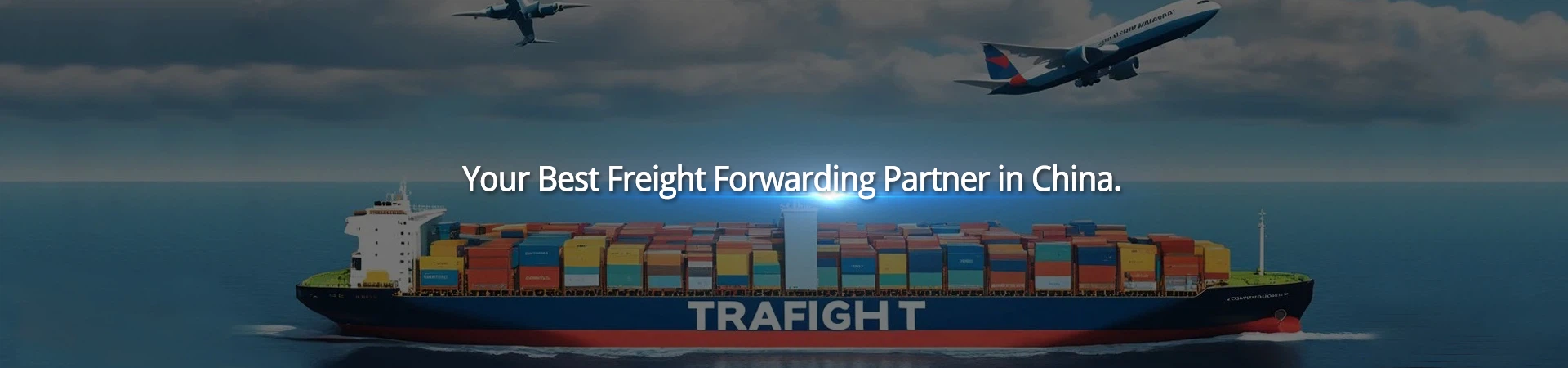
If you've been tracking newbuild orders recently, you might have noticed a interesting trend: smaller container ships are having a moment. While mega-vessels dominated headlines over the past decade, shipowners and operators are now showing strong interest in compact, flexible tonnage-especially feeder-size and sub-Panamax ships.
So, what's driving this shift?
For starters, the global supply chain is still recalibrating after years of volatility. Big ships bring big economies of scale, but they also bring big risks: port congestion, draft restrictions, canal transit delays, and complicated feeder networks. Smaller vessels offer something arguably more valuable in today's market: agility.
Lines and lessors are leaning into ships in the 1,000 to 5,000 TEU range. These sizes can serve secondary ports directly, avoid canal bottlenecks, and offer better frequency on regional routes. They also align better with nearshoring and regionalization trends, as companies diversify sourcing away from single regions.
There's a practical side, too. Smaller newbuilds are cheaper to order, easier to finance, and faster to deploy. They also future-proof fleets against uncertainty in fuel regulations-many new orders are dual-fuel ready, often designed for methanol or LNG, giving operators optionality as the green transition unfolds.
Clarksons reports that containerships under 6,000 TEU accounted for over 60% of new orders in early 2024. That's a telling number. It reflects a more cautious, nuanced approach to capacity growth-one that values network resilience over pure size.
At XMA Logistics, we're keeping a close eye on these developments. Whether it's supporting clients with feeder services, regional distribution, or port logistics, understanding vessel trends helps us build more reliable and efficient supply chains.
Looking to optimize your cargo routing amid changing fleet dynamics? Get in touch with our team at XMA Logistics-we're here to help you navigate what's next.
